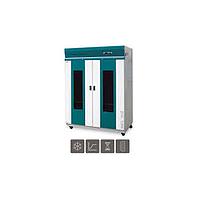
Chemicals Storage Cabinet
Safe chemical handling starts long before a bottle is opened. In laboratories, pilot plants, and production support areas, proper storage is one of the most effective ways to reduce spills, vapor exposure, corrosion damage, and cross-contamination. A well-selected Chemicals Storage Cabinet helps organize hazardous materials by compatibility while improving day-to-day access and housekeeping.
This category focuses on cabinets designed for acids, corrosives, and other laboratory chemicals that require controlled, clearly separated storage. The range includes compact bench-level units for small-volume use as well as larger floor-standing cabinets for facilities that manage higher chemical loads.
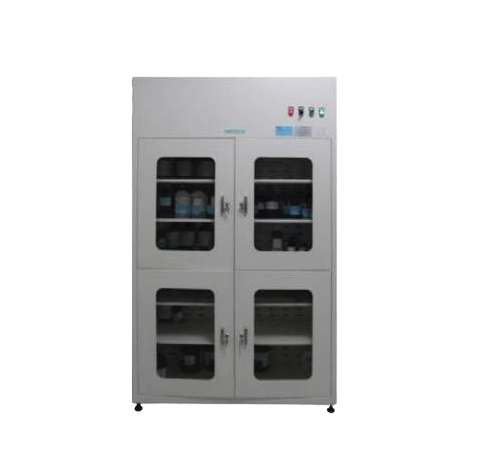
Choosing the right cabinet for chemical compatibility
Not all hazardous chemicals should be stored in the same enclosure. Acids, alkalis, oxidizing agents, and solvent-based liquids may require different storage strategies depending on their reactivity, vapor behavior, and container type. For this reason, cabinet selection should start with chemical compatibility, not only with size or price.
Many products in this category are intended specifically for corrosive substances such as sulfuric acid, hydrochloric acid, nitric acid, acetic acid, sodium hydroxide, and potassium hydroxide. Cabinets built with corrosion-resistant materials such as polypropylene or polyethylene are commonly preferred where standard painted metal may degrade over time. If your lab also needs supporting items for safer handling and movement, related solutions such as carts and trolleys can help reduce manual transport risks.
Common cabinet constructions in this category
One practical way to compare options is by cabinet construction. Some models use white polypropylene body panels with welded joints to improve resistance to corrosive liquids and to help contain leaks. This approach is suitable for users looking for dedicated storage of strong acids and bases in small to medium quantities.
Another group includes steel-bodied cabinets with anti-corrosive internal components, trays, vents, and self-closing doors. These are often selected when users need higher storage capacity, a more robust floor-standing format, or integration into an established laboratory layout. For users who prefer a compact polymer design, the JEIOtech range also includes the PCC-720, a small polyethylene corrosive cabinet suited to localized storage tasks.
Examples of storage formats for different laboratory needs
Compact units are useful when chemicals are consumed close to the workbench or where space is limited. For example, DaiHan HW.ZYP0004 provides a small 15 L format, while HW.ZYP0012 offers a larger 45 L capacity in a similar corrosive-resistant cabinet style. These types of cabinets are often selected for research labs, quality control rooms, and preparation areas where only a limited number of bottles need to be kept near the point of use.
Under-bench and floor-type cabinets address a different requirement: storing larger volumes without crowding the workspace. In the DaiHan lineup, SCC-100 and SCC-200 are under-bench options, while SCC-400, SCC-500, and SCC-800 are floor-standing models for progressively larger storage demand. JEIOtech SC-C-0806D1, SC-C-0809D2, and SC-C-0812D2 provide additional corrosive cabinet choices in 146 L, 226 L, and 312 L classes.
Key features that matter in daily operation
Beyond raw capacity, several design details affect real-world safety and usability. A good cabinet for corrosive chemicals should support spill containment, have shelves or trays that can be cleaned easily, and provide a structure that resists damage from chemical contact over time. Clearly marked doors, adjustable storage levels, and secure locking arrangements also help improve control in shared lab environments.
For larger cabinets, self-closing doors and separated internal chambers can be important where frequent access is expected or where users need better organization of containers by type. Vent openings may also be part of the cabinet design, depending on the model and installation plan. These details do not replace a full chemical risk assessment, but they do make a meaningful difference in routine storage practice.
How to select capacity and cabinet layout
The right size depends on more than the total number of containers. You should also consider bottle height, whether chemicals must be segregated by hazard class, and how much future expansion is likely. Small cabinets are useful for localized storage near the work area, while larger cabinets are better for centralized inventory management and for reducing clutter around benches and instruments.
As a simple guideline, compact products such as the DaiHan 15 L and 45 L polypropylene cabinets fit low-volume applications, while mid-range and larger models such as JEIOtech SC-C series or DaiHan SCC floor-type cabinets better suit labs with broader chemical inventories. If your workflow includes PPE requirements around corrosive handling, it may also be useful to review available laboratory apparel options alongside storage planning.
Materials and applications: PP, PE, and hybrid cabinet designs
Material choice is closely tied to the chemicals being stored. Polypropylene cabinets are commonly used for strong acids and corrosives because the material resists rust and helps maintain structural integrity in aggressive environments. Fully welded PP construction is especially relevant where splash exposure or minor leakage is a realistic possibility.
Polyethylene cabinets, such as the JEIOtech PCC-720, are another useful option for corrosive applications in small-format installations. Meanwhile, larger hybrid designs that combine a steel exterior with anti-corrosive internal materials can be appropriate when users need higher capacity and a more rigid cabinet structure. In practice, the best choice depends on the chemical list, storage volume, room layout, and handling frequency rather than on one material alone.
Where these cabinets are typically used
This category is relevant to analytical laboratories, university research facilities, pharmaceutical and biotech environments, chemical preparation rooms, water treatment labs, and industrial QC departments. In these settings, chemical storage cabinets help separate hazardous substances from general storage and reduce the chance of accidental mixing or damage to surrounding equipment.
They are also valuable where compliance, housekeeping, and audit readiness matter. Organized storage makes container inspection easier, supports clearer labeling practice, and helps teams identify when dedicated cabinets are needed for different chemical groups. If your site uses a wider range of specialized lab products, you can also explore other DaiHan laboratory equipment for related workflow needs.
Final considerations before purchasing
Before selecting a cabinet, review the specific chemicals in use, their compatibility, required segregation, available installation space, and expected storage volume. It is also worth checking practical points such as shelf arrangement, door style, cleaning access, and whether the cabinet will be positioned under a bench or as a floor-standing unit. These factors usually have more operational impact than headline capacity alone.
This collection of chemicals storage cabinets is intended to support safer, more organized handling of corrosive and laboratory chemicals across different scales of use. By matching cabinet material, format, and capacity to the actual application, buyers can build a storage setup that is easier to manage and better aligned with everyday laboratory safety.
Get exclusive volume discounts, bulk pricing updates, and new product alerts delivered directly to your inbox.
By subscribing, you agree to our Terms of Service and Privacy Policy.
Direct access to our certified experts