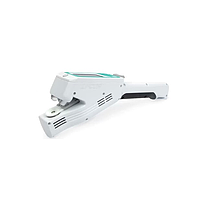
Chlorophyll Meter
Fast, non-destructive chlorophyll measurement is widely used when teams need a practical way to assess plant condition, nutrient status, algae activity, or changes in water quality without waiting for lab turnaround. On this page, you can explore Chlorophyll Meter solutions for both field and laboratory-related workflows, including handheld leaf meters, vegetation index instruments, and water-focused chlorophyll analyzers.
The category brings together instruments suited to different sample types and operating environments. Some devices are designed for direct leaf clipping and relative chlorophyll assessment, while others support immersion-based water monitoring or portable field surveys for chlorophyll and blue-green algae trends.
Where chlorophyll meters are used
Chlorophyll measurement is relevant across agriculture, horticulture, turf management, environmental monitoring, and research. In crop work, a meter helps compare leaf greenness and track changes linked to fertilization, stress, or growth stage. In turf and vegetation management, optical readings can support routine condition checks over larger areas.
For water applications, chlorophyll signals are commonly used as an indicator of algal biomass and changing biological conditions. Instruments in this category can therefore support both plant-focused and water-focused measurement tasks, depending on whether the priority is leaf chlorophyll screening, vegetation indexing, or immersion measurement in aqueous samples.
Main types of chlorophyll measurement instruments in this category
A practical way to select the right device is to start with the sample being measured. For individual leaves, clip-style meters such as the Spectrum Technologies SPAD 502 Plus Plus Chlorophyll Meter and SPAD 502DL Plus Plus Chlorophyll Meter are intended for fast spot checks with a small measurement area. These are typically useful when repeatable, non-destructive readings are needed on many plants over time.
For broader canopy assessment, instruments such as the Spectrum Technologies CM 1000 Chlorophyll Meter and CM 1000 NDVI Meter use optical reflectance principles to evaluate plant condition without direct contact in the same way as a leaf clip meter. If the application is water monitoring instead, products like the Probest PMI800-CH Portable Chlorophyll Water Analyzer or KASAHARA CHL-502 Chlorophyll Monitor are more aligned with immersion-based measurement.
Leaf, canopy, and water measurement serve different needs
Leaf chlorophyll meters are often chosen when the target is an individual leaf and the goal is consistent comparison between plants, treatments, or growth stages. Their strength is localized measurement with quick operation, making them suitable for agronomy trials, greenhouse work, and nutrient management programs.
Canopy and vegetation index meters are more appropriate when the user needs to evaluate plant cover, turf response, or field variability over a larger visual area. Devices such as the Spectrum Technologies TCM 500 NDVI Turf Color Meter and FieldScout GreenIndex+ accessories reflect this broader use case in turf and vegetation monitoring.
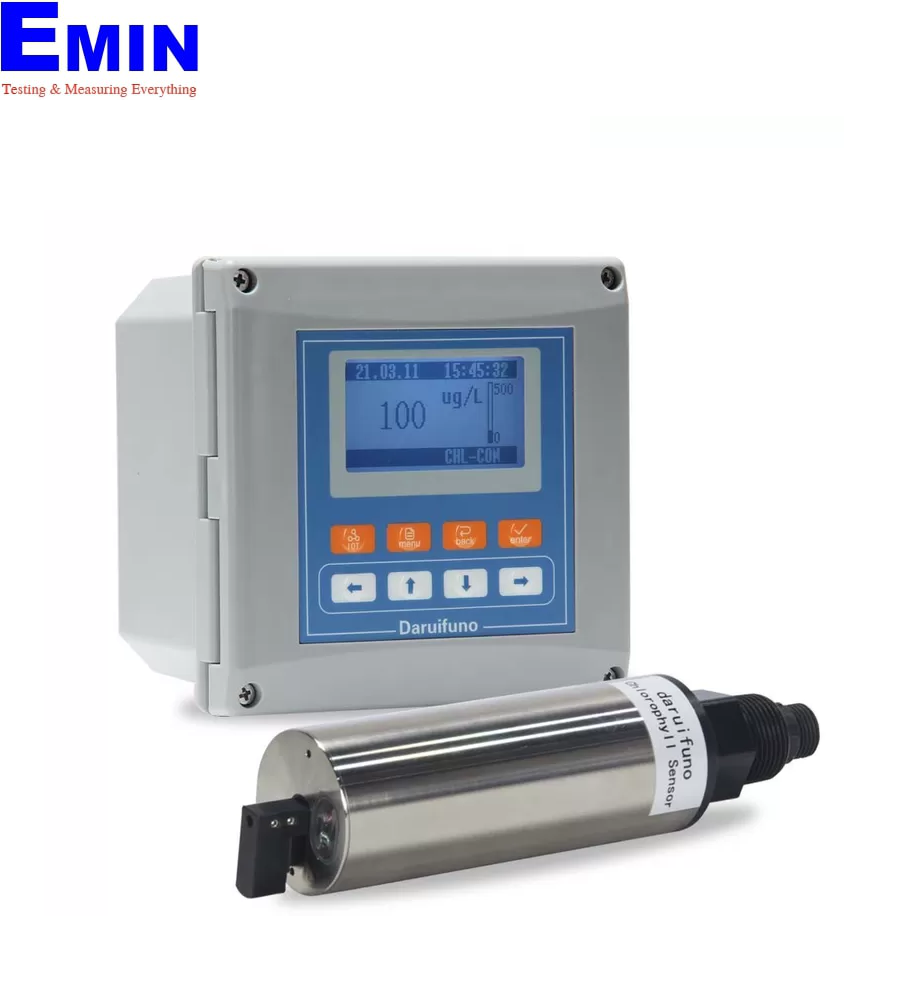
Water chlorophyll analyzers and chlorophyll sensors address another measurement context entirely. Portable units such as the Probest PMI800-CH are useful for mobile sampling, while fixed or panel-style devices such as the KASAHARA CHL-502 may fit continuous or installed monitoring points more naturally.
What to consider before choosing a chlorophyll meter
The first decision point is the measurement target: plant leaves, turf canopy, general vegetation, or waterborne chlorophyll. Once that is clear, the next factors are measurement method, portability, data logging, environmental protection, and whether the instrument will be used for spot checks or ongoing monitoring.
For plant applications, users often compare measurement area, operating speed, repeatability, and ease of collecting many readings in sequence. For water applications, installation style, response to field conditions, and communication or analog output can matter more, especially in systems that need integration with existing monitoring infrastructure.
It is also worth checking whether the instrument reports a relative chlorophyll index, an NDVI-style vegetation indicator, or a concentration-oriented value used in water analysis. These outputs are not interchangeable, so matching the instrument type to the intended decision-making process is more important than choosing on name alone.
Representative products and manufacturers
This category includes products from established names such as Probest, Spectrum Technologies, and KASAHARA. Each brand shown here aligns with a slightly different application focus, from portable water analyzers to handheld plant meters and installed chlorophyll monitoring devices.
For example, Probest offers both portable and online solutions for water quality work, including the PMI800-CH Portable Chlorophyll Water Analyzer and the PBA-800 Blue-Green Algae Online Analyzer for related biological monitoring. Spectrum Technologies is more visible in field-oriented plant and turf measurement, with SPAD, chlorophyll, and NDVI tools for agronomic and vegetation assessment. KASAHARA contributes chlorophyll monitoring devices aimed at water measurement scenarios.
How chlorophyll meters fit into broader monitoring workflows
In practice, chlorophyll measurement is rarely used in isolation. Plant-focused users may combine chlorophyll readings with visual inspection, irrigation checks, and other agronomic observations to build a more complete picture of crop status. Turf managers may pair chlorophyll and NDVI-style measurements to compare color response, vigor, and treatment uniformity.
In water monitoring, chlorophyll measurement may be evaluated alongside parameters related to algae presence, suspended matter, or biological change. If your application also involves algae tracking, a related water analysis tool such as the Probest blue-green algae analyzer can provide complementary context rather than replacing a chlorophyll-specific device.
Where handling and movement of instruments is part of daily work, support equipment can also improve workflow efficiency. For example, mobile setups may benefit from practical accessories in categories such as cart and trolley equipment for safer transport between measurement points.
Choosing between portable and installed systems
A portable chlorophyll meter is usually the better fit when measurements are taken at multiple points, sample locations change frequently, or users need flexibility for inspections and field campaigns. Battery-powered handheld instruments are especially useful for agriculture, greenhouse work, outdoor vegetation checks, and occasional water sampling.
An installed or online analyzer is often more suitable when the process requires repeated monitoring at a fixed location. In that case, enclosure rating, signal output, and communication capability become more important than compactness alone. This distinction is especially relevant for water systems that may need integration with control panels or plant-wide data collection.
Find the right instrument for your application
The right chlorophyll meter depends less on a single specification and more on how the instrument will actually be used: leaf-by-leaf comparison, canopy screening, turf evaluation, portable water checks, or continuous chlorophyll monitoring. By narrowing the application first, it becomes much easier to choose between clip meters, reflectance-based field units, and immersion-style analyzers.
If you are comparing options in this category, focus on sample type, measurement output, operating environment, and workflow requirements. That approach will help you identify a chlorophyll measurement solution that fits your process more naturally and supports more consistent data collection over time.
Get exclusive volume discounts, bulk pricing updates, and new product alerts delivered directly to your inbox.
By subscribing, you agree to our Terms of Service and Privacy Policy.
Direct access to our certified experts