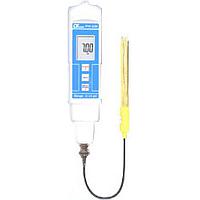
Equipment for measuring soil nutrients
Reliable soil assessment starts with choosing instruments that match the parameter you actually need to check in the field or lab. For agriculture, environmental monitoring, and research workflows, equipment for measuring soil nutrients helps teams evaluate pH, nutrient status, temperature, and related soil quality indicators so that sampling results can support clearer decisions.
This category brings together practical tools for routine soil screening as well as more specialized instruments for detailed analysis. Depending on the task, users may need a direct soil pH meter, an NPK test kit, a soil thermometer, or a laboratory system for advanced soil characteristics such as carbonate or oxygen content.
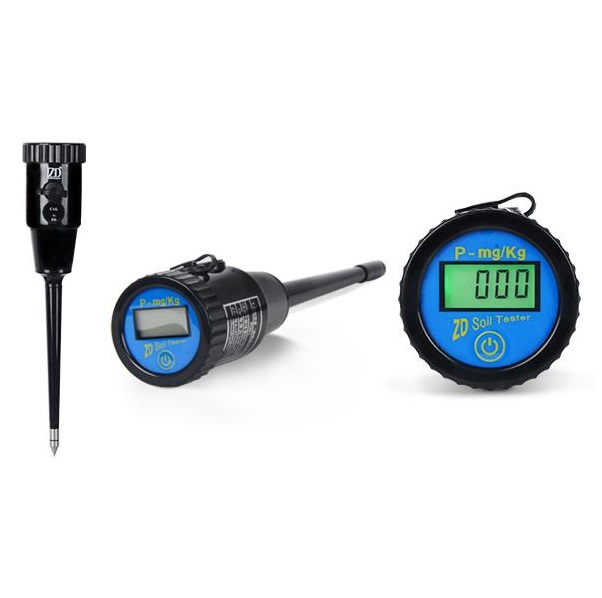
What this category is designed for
Soil quality is rarely defined by one value alone. In many applications, pH affects nutrient availability, temperature influences biological activity, and nutrient screening helps indicate whether nitrogen, phosphorus, or potassium may be limiting plant growth. That is why this category covers both portable meters and test kits that support different stages of soil evaluation.
For fast field checks, handheld devices are often preferred because they reduce setup time and allow measurements near the sampling location. For educational, agronomic, or comparative testing, kit-based methods can be useful when the goal is to classify nutrient levels rather than generate a full laboratory report.
Common types of soil nutrient measurement equipment
A large share of soil assessment work begins with pH measurement. Soil pH meters and testers help determine acidity or alkalinity, which strongly influences nutrient uptake. Examples in this category include portable and direct-reading options such as the HANNA HI98168 Professional GroLine Portable Soil pH Meter, the HANNA HI99121 Direct Soil pH Measurement Kit, and the compact HANNA HI981030 GroLine Soil pH Tester.
For broader nutrient screening, colorimetric or comparison-based kits remain widely used. The HANNA HI3896 Soil NPK and pH Nutrient Test Kit and the HANNA HI3896BP Backpack Lab Soil Quality Educational Test Kit are typical examples for checking nutrient status and soil pH in a structured, repeatable way. These are especially relevant when users need a practical overview of soil condition without moving immediately to a full analytical laboratory workflow.
Some applications also require supporting measurements. A device such as the DaiHan T9233C Digital Soil Thermometer can help monitor temperature conditions during sampling or cultivation studies, while specialized systems from Eijkelkamp are more suitable for advanced soil analysis tasks related to carbonate content or oxygen content.
Choosing the right instrument for your application
The most suitable device depends on where the measurement is taken, what parameter matters most, and how the result will be used. If the goal is routine field verification, a portable pH meter with straightforward calibration and durable construction is often the practical choice. If the workflow involves direct insertion into soil or prepared samples, probe style, cleaning needs, and maintenance requirements become more important.
When nutrient screening is the priority, test kits can be a better fit than a standalone pH meter. They are commonly selected for identifying relative nutrient levels such as low, medium, or high, which is often enough for preliminary agronomic evaluation, teaching, or comparative checks across plots. For users who need simple, manual testing, the Palintest SK 100 Soil pH and Lime Requirement Kit is also relevant for pH and lime requirement assessment.
Sampling method also affects result quality. In many cases, consistent collection and preparation are just as important as the instrument itself, so it may be useful to review related tools such as soil samplers when building a complete workflow.
Portable meters, direct probes, and test kits
Portable meters are generally chosen when users need digital readings, improved resolution, and repeatable measurement practices. Instruments such as the PCE PH20S pH Meter or HANNA portable models are suitable for users who want a clear displayed value and standard calibration steps. These are commonly used in field inspection, greenhouse work, and routine soil checks.
Direct soil measurement kits are helpful when the application requires a probe and accessories intended specifically for soil handling. The HANNA HI99121 is a good example of a packaged approach that supports direct measurement together with sample preparation accessories. This can simplify procurement for teams that prefer a more complete setup rather than sourcing meter, electrode, and accessories separately.
Test kits, by contrast, are often preferred where portability, simplicity, or educational use matters more than high-resolution digital output. The HANNA HI3896 and HI3896BP kits are designed around chemical test methods for nutrient screening, making them useful for comparative analysis across multiple locations or teaching environments.
Broader soil quality parameters within the same workflow
In real-world use, nutrient measurement is often part of a wider soil testing process. Temperature readings can help interpret sampling conditions, while moisture or oxygen-related measurements may be needed depending on crop, soil type, or environmental study goals. The TAKEMURA DM15, for example, combines soil pH and moisture checks in a simple format for basic field use.
Some projects go further into physical or chemical characterization. Eijkelkamp instruments in this category point to that broader context, including equipment for carbonate content and soil oxygen content analysis. If your work extends beyond nutrient screening into hydraulic behavior, you may also want to explore a soil permeability meter for related testing needs.
Brands commonly selected in this category
HANNA is strongly represented here with compact testers, portable meters, direct soil pH kits, and nutrient test kits. This makes it a practical reference brand for users looking for options that range from quick field checks to more structured soil analysis workflows.
Other relevant manufacturers include Palintest for manual soil test kits, PCE for handheld pH measurement, DaiHan for soil temperature measurement, Eijkelkamp for specialized soil analysis equipment, SENSOREX for pH sensing components, and TAKEMURA for simple soil pH and moisture tools. Selection should depend less on brand count and more on the measurement principle, sampling routine, and level of detail your process requires.
Practical buying considerations
Before selecting an instrument, define whether you need a numerical measurement, a relative nutrient classification, or a broader soil quality screening setup. Also consider calibration method, maintenance frequency, required accessories, and whether the device will be used mainly in the field or in a controlled lab environment. For pH measurement in particular, electrode care and sample preparation can directly affect consistency.
It is also helpful to think in terms of the whole testing chain: sample collection, preparation, measurement, cleaning, and storage. For applications that do not fit standard pH or nutrient kits, related categories such as other mud and soil testing equipment may provide complementary solutions.
Conclusion
Choosing soil nutrient measurement equipment is ultimately about matching the instrument to the testing objective. A compact pH tester may be enough for routine field checks, while NPK kits support broader nutrient screening and specialized systems are better suited to advanced soil research.
By comparing measurement type, portability, sample handling needs, and the level of detail required, buyers can narrow this category to the tools that genuinely fit their workflow. That leads to more reliable soil data and a more efficient testing process from sampling through interpretation.
Get exclusive volume discounts, bulk pricing updates, and new product alerts delivered directly to your inbox.
By subscribing, you agree to our Terms of Service and Privacy Policy.
Direct access to our certified experts