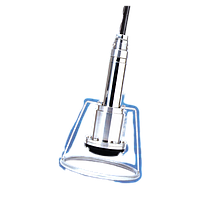
Sludge and Sediment Samplers
Collecting representative material from sludge, sediment, slurry, or standing water is often the first step in reliable environmental, agricultural, and process analysis. When sampling is inconsistent, even a high-quality laboratory method can produce misleading results. This category brings together Sludge and Sediment Samplers and related field tools used to obtain, transfer, and assess samples more accurately in demanding site conditions.
Typical users include environmental consultants, groundwater investigators, wastewater operators, agricultural testing teams, and industrial field technicians. Depending on the application, the job may require a liquid sampler for depth-specific collection, a probe for extracting compacted forage or layered material, or a simple field test kit to check properties such as viscosity or density before samples move further into the testing workflow.
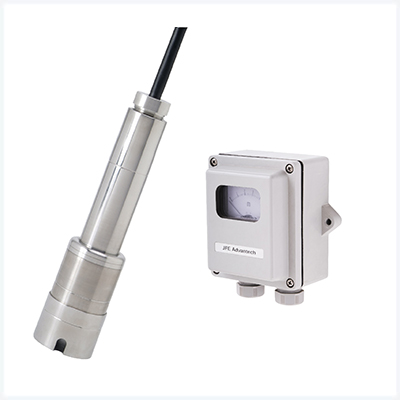
Where sludge and sediment sampling equipment is used
Sampling requirements vary significantly from one site to another. In groundwater and monitoring wells, technicians may need to collect liquid at a defined depth without disturbing the sample more than necessary. In ponds, lagoons, tanks, and treatment systems, the priority may be recovering suspended or settled material for later laboratory evaluation. In agricultural and feed applications, probe-based tools help extract core samples from baled or stored material for consistency checks.
Because field conditions are rarely ideal, equipment selection usually depends on the sample matrix, access depth, expected contamination risk, and handling method after collection. For broader field collection needs, users may also compare this category with soil samplers or adjacent tools intended for similar testing environments.
Common equipment types in this category
A practical sludge and sediment sampling setup may include both collection tools and quick-check measurement devices. For liquid sampling, cable-controlled samplers are commonly used when operators need to lower the container to a target zone and trigger collection at the right moment. This helps reduce cross-contamination between layers and supports more repeatable field procedures.
For example, the AMS 2200.10 Single Valve Liquid Sampler w/Cable Control and the AMS 2200.20 Dual Valve Liquid Sampler w/Cable Control are suitable references for controlled liquid recovery in field sampling work. The dual-valve configuration is often considered when a specific collection behavior is required, while a single-valve design may fit simpler sampling routines. Where field assessment of slurry behavior is relevant, the Tin Peng Slurry Test Kit combines a Marsh funnel viscometer and mud balance to support quick evaluation of flow and density characteristics.
Supporting field measurement and sample evaluation
Not every project stops at collecting a sample. In many cases, teams also need to verify water depth, locate an interface, or screen physical properties before deciding whether additional sampling is required. Instruments such as the AMS 3012.95 Interface Meter with 5/8in Probe and 100ft Kynar Tape or the AMS 3012.84 Water Level Meter with 3/8" Probe and 30M Poly Tape illustrate how field measurement can support better decision-making before and during collection.
These tools are especially useful when the sampling point is influenced by stratification, fluctuating water levels, or uncertain layer boundaries. If the task involves checking solids concentration or density-related behavior, users may also want to review sludge density meter options as part of a more complete field and lab workflow.
How to choose the right sampler
The best choice usually starts with the sample itself. A free-flowing liquid, a high-solid slurry, settled sediment, and compacted agricultural material all behave differently during collection. For liquid-focused work, consider the required sampling depth, whether you need a single grab or a more controlled closure mechanism, and how the sample will be transferred into transport containers. For denser or layered media, the shape of the probe, the contact material, and the ability to preserve sample integrity become more important.
It is also useful to think about deployment conditions in advance. Cable length, operator handling, ease of cleaning, and resistance to field wear all affect day-to-day usability. Buyers comparing brands may already be familiar with AMS for field sampling and measurement equipment, while other projects may prioritize different workflows or sampling standards depending on site practice.
Examples of tools found in this range
This category may support both environmental and agricultural sampling scenarios. On the agricultural side, models such as the AMS 57068 24" Deluxe Hay & Forage Probe, AMS 57067 24" Basic Hay & Forage Probe, AMS 57051 12" Deluxe Hay Probe, and AMS 56864 Basic 12" Hay Probe show how probe-style devices are used to extract core samples from baled or stored forage. Although these are not sediment samplers in the narrowest sense, they fit the broader field-sampling ecosystem where material consistency and representative collection matter.
On the liquid and interface side, the AMS 3012.96 Interface Meter with 5/8in Probe and 30M Kynar Tape and related water level meters support depth confirmation before sample collection. In slurry testing workflows, the Tin Peng Slurry Test Kit is relevant when technicians need quick field checks on viscosity and density rather than relying only on visual observation.
Good sampling practice in sludge and sediment work
Representative sampling is usually more important than collecting the largest possible volume. Operators should choose the sampling point carefully, minimize disturbance, and use a clean procedure that matches the matrix being tested. In layered liquids or mixed waste streams, even small changes in depth can influence the final result.
Documentation matters as much as hardware. Recording location, depth, site conditions, sample appearance, and any field readings helps laboratories interpret results in context. When projects extend beyond collection into material behavior testing, categories such as soil permeability meter and other related instruments can help build a more complete testing workflow.
Why category-level selection matters for B2B buyers
Procurement for technical field equipment is rarely about one product alone. Engineering teams, laboratories, environmental contractors, and treatment operators often need a combination of samplers, meters, and test accessories that work together across field and lab stages. A category view makes it easier to compare collection methods, identify complementary tools, and shortlist products that align with actual sampling procedures.
This is particularly valuable when the work spans multiple sample types. A buyer may need a cable-controlled liquid sampler for well or tank sampling, a water level or interface meter for pre-checking conditions, and a slurry test kit for immediate field screening. Looking at the category as a whole supports more efficient specification and purchasing decisions.
Find the right equipment for your sampling workflow
Choosing sludge and sediment sampling equipment is ultimately about matching the tool to the material, the site, and the testing objective. Whether the priority is controlled liquid collection, field measurement, or quick slurry evaluation, the products in this category are intended to support more dependable sampling and more useful downstream analysis.
If you are building or refining a field testing setup, review the available models based on sample type, deployment depth, and handling requirements rather than price or naming alone. A well-matched sampler or measurement tool can improve consistency, reduce repeat visits, and make laboratory results easier to trust.
Get exclusive volume discounts, bulk pricing updates, and new product alerts delivered directly to your inbox.
By subscribing, you agree to our Terms of Service and Privacy Policy.
Direct access to our certified experts