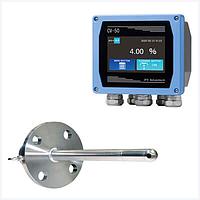
Sludge Density Meter
Maintaining stable sludge concentration is critical in wastewater treatment, thickening, dewatering, and process control. When solids content changes too quickly, operators can face unstable settling, inefficient chemical dosing, overloaded equipment, or inconsistent discharge quality. A well-chosen Sludge Density Meter helps convert that variability into measurable data for daily operation and longer-term optimization.
On this category page, you can explore instruments and related components used to monitor sludge density, concentration, interface level, and sludge volume in different process conditions. The available range covers both inline and field-oriented solutions, from continuous analyzers to practical testing devices that support plant monitoring and maintenance.
Where sludge density measurement is used
In many treatment systems, sludge behavior changes across each stage of the process. Primary clarifiers, aeration basins, return activated sludge lines, thickening systems, and sludge handling sections all benefit from better visibility into solids concentration. A meter in the right location can support control decisions such as pump operation, polymer addition, recirculation balance, and overflow prevention.
Depending on the process objective, users may need continuous concentration monitoring in a pipe, interface detection inside a tank, or manual verification of sludge volume. That is why this category includes not only conventional density meters, but also supporting instruments that help operators understand sludge condition from multiple angles. If your application also involves grab sampling and field collection, related tools in sludge and sediment samplers may be useful alongside online measurement.
Different measurement approaches in this category
Not every sludge application uses the same sensing principle. Some instruments are designed for continuous inline measurement, especially where process automation requires a live signal for PLC, SCADA, or local control. Others are better suited to tank-based observation, alarm functions, or manual evaluation of settling characteristics.
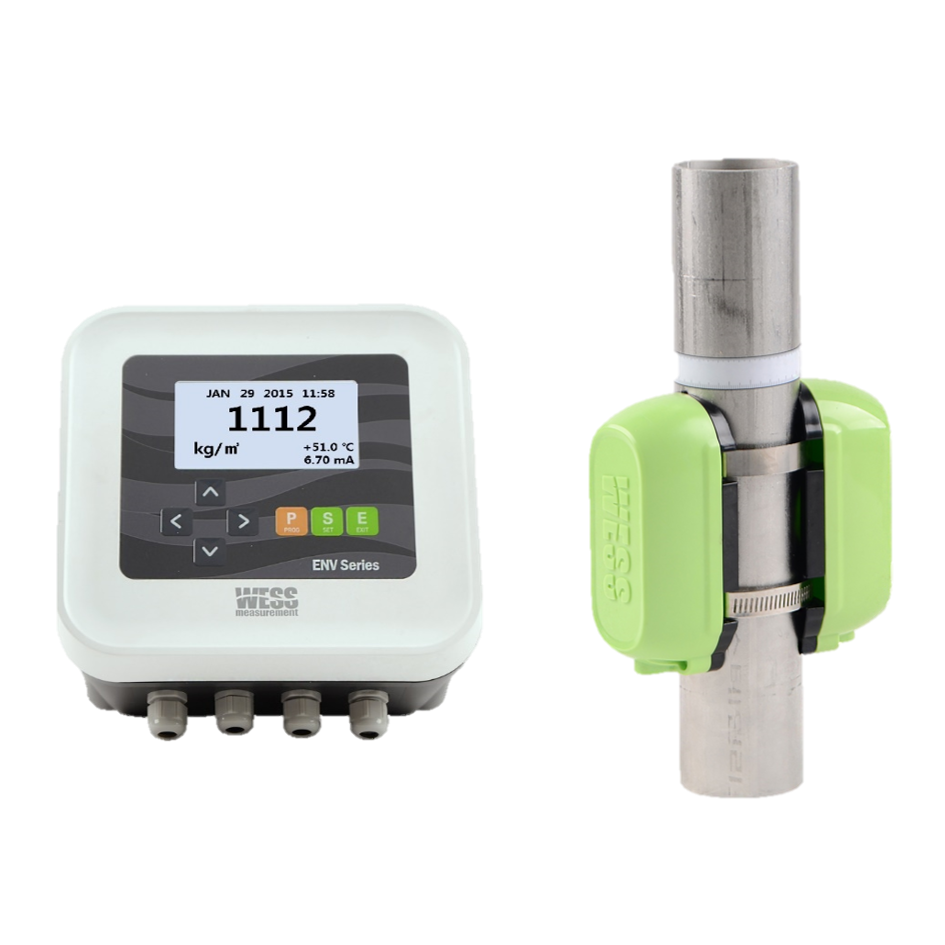
For example, the Probest PSS-800 Sludge Concentration Analyzer is positioned for concentration measurement over a wide mg/L range, while the JFE SD-50 uses a dual scattered-light system for sludge density monitoring. WESSGlobal ENV200-related components, including the C2S controller and matching sensors, represent another approach for inline density measurement in pipelines. KASAHARA products in this category extend the scope toward interface, level, and volume checks, which are often just as important for clarifier and sludge handling work.
Representative products and practical roles
For users looking at online concentration measurement, Probest offers the PSS-800, a sludge concentration analyzer with multiple selectable ranges and standard industrial outputs such as 4-20 mA and MODBUS RS485. This type of instrument is typically considered when plants need broad measurement coverage, remote transmission, and integration with existing control systems.
For optical sludge density measurement, the JFE SD-50 is a notable example. Its dual scattered-light design is suitable for applications where repeatability and direct process observation are important. In practice, optical methods can be useful when the characteristics of the sludge and the installation conditions match the sensing principle.
WESSGlobal expands the category from standalone devices to a more complete measurement ecosystem. The C2S controller for the ENV200, together with the S2S2 spool-piece sensor or S2C clamp-on sensor, shows how a system can be tailored to piping layout and installation preference. Accessories such as wireless modules and a swing bracket are not measurement devices by themselves, but they support signal transmission, mounting flexibility, and easier field implementation.
Interface, level, and volume tools also matter
In sludge management, density is only one part of the picture. Operators often need to know where the sludge blanket sits, how thick the settled layer is, or how sludge volume behaves during routine checks. That is why instruments such as the KASAHARA SZ-7000 Sludge Interface Meter and the KASAHARA OD-3 or OD-33 sludge level detectors are relevant in the same workflow.
The KASAHARA SV-1000 Sludge Volume Tester is another useful example. While it is different from a continuous online meter, it supports quick assessment of sludge settling characteristics and volumetric behavior. In many facilities, combining online density measurement with periodic manual verification gives a more reliable basis for process adjustment than relying on one data source alone.
How to choose the right sludge density meter
The first selection point is the actual process requirement. Some users need a continuous signal for automation, while others need local indication, alarm output, or manual process confirmation. It is also important to confirm whether the medium is flowing in a pipe, relatively static in a basin, or changing at the sludge-liquid interface.
The second factor is the installation environment. Material compatibility, ingress protection, cable length, pressure resistance, and available mounting space can all affect long-term performance. For example, an inline system may be more suitable for pressurized piping, while clamp-on or accessory-based configurations can help where process interruption or pipe modification should be minimized.
A third consideration is signal handling. Many industrial users look for 4-20 mA, relay output, or serial communication so the instrument can fit into existing plant architecture. If you are comparing broader options in this field, you can also review other products in the other mud and soil testing equipment category for complementary devices.
System integration and maintenance considerations
A good measurement result depends not only on sensor technology, but also on installation quality and maintenance practice. Sludge is a challenging medium because composition, particle size, color, flow profile, and fouling tendency can vary significantly between sites. Calibration method, sensor cleaning access, and routine verification should therefore be considered early in the selection process.
For process plants that want more stable operation, a measurement system should be evaluated as a whole: sensor, controller, communication method, mounting arrangement, and service accessibility. Products such as the WESSGlobal controller-and-sensor combination highlight this system-based approach, where the instrument is part of a wider monitoring setup rather than an isolated device.
Choosing by application instead of by model list
Rather than starting with model names alone, it is usually more effective to match the device to the measurement objective. If the goal is continuous solids concentration in a process line, analyzers and inline density meters are the logical focus. If the goal is blanket monitoring in settling equipment, interface or level instruments may be more appropriate. If operators need simple verification during testing or lab-style checks, volume testing tools can play an important role.
This category is therefore useful for engineers, maintenance teams, and purchasing departments that need a practical view of sludge monitoring equipment. For projects that also include dedicated inline concentration instruments, you may want to compare the available options in this sludge density meter range directly with the product listings and specifications shown on the page.
Final thoughts
Reliable sludge measurement supports better control of treatment efficiency, solids handling, and operational stability. Whether you are looking for an online analyzer, an optical density meter, an ultrasonic-based system, or supporting tools for interface and volume checks, the right choice depends on process conditions, installation method, and the level of control you need.
Use this category to compare instruments from JFE, Probest, WESSGlobal, and KASAHARA in a more application-focused way. A clear understanding of where the instrument will be installed and what decision it needs to support will make selection faster and more accurate.
Get exclusive volume discounts, bulk pricing updates, and new product alerts delivered directly to your inbox.
By subscribing, you agree to our Terms of Service and Privacy Policy.
Direct access to our certified experts