Vernier Height Gauge
When reliable vertical measurement is needed on a surface plate, many workshops still prefer a mechanical instrument that is easy to verify, straightforward to read, and dependable in daily use. A Vernier Height Gauge fits that role well for layout work, dimensional inspection, and height comparison tasks in machining, toolrooms, and general quality control.
Compared with more advanced display types, the vernier design remains attractive because it combines a rigid structure with fine manual adjustment and clear scale-based reading. For users comparing options within the broader height gauge range, this category focuses on mechanical vernier models used for practical shop-floor measurement where robustness and repeatability matter.
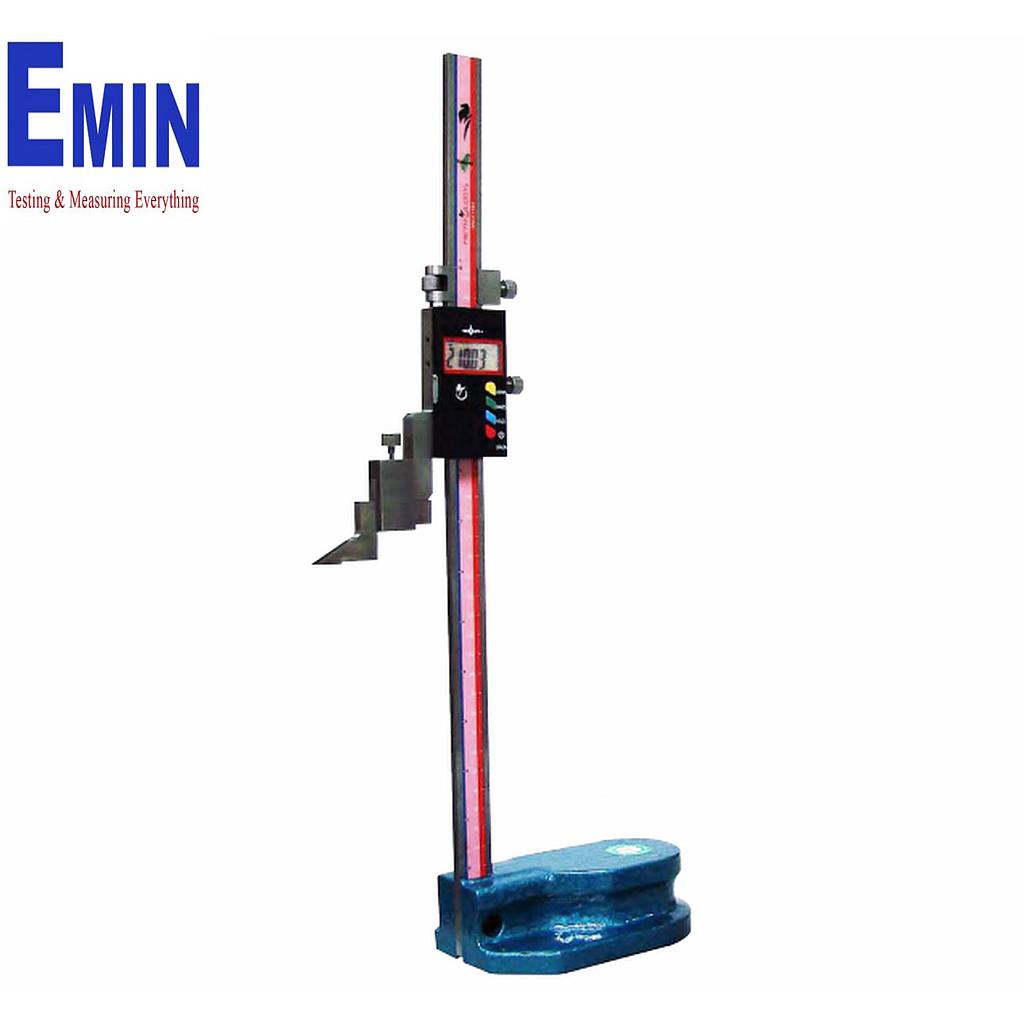
Where vernier height gauges are commonly used
These instruments are widely used to measure the vertical distance from a reference surface to a feature on the workpiece. Typical tasks include checking step heights, locating hole centers, comparing part dimensions, and marking lines at a controlled height before machining or assembly.
Because the measuring beam travels vertically from a stable base, a vernier height gauge is especially useful on a granite plate or other flat reference table. In the right setup, it can support both simple inspection work and more careful layout operations where measurement consistency is more important than speed alone.
How this type of height gauge works
A vernier height gauge uses a graduated main scale and a vernier scale to provide fine readings. The base rests on the reference surface, while the slider moves along the column until the scriber or measuring tip reaches the target point. The user then reads the scale alignment to determine the measured height.
This mechanical principle is familiar to anyone who has used a vernier caliper, but the instrument is optimized for vertical measurement. The wide base helps stability, and the vertical column allows controlled movement for precise contact with the measured feature. In many inspection routines, this makes it a practical choice for users who want direct, non-electronic measurement. If you are comparing mechanical and electronic readout options, you can also review the digital height gauge range for applications that require faster reading.
Typical ranges and reading values in this category
The products shown in this category cover a broad range of workshop needs. Compact models are suitable for common bench inspection tasks, while larger versions support measurement of taller parts, fixtures, or assembled components. Readability can vary depending on the design, with examples in this category including 0.01 mm, 0.02 mm, and 0.05 mm reading values.
For example, the MOORE & WRIGHT MW195-30 and MW195-50 double-column height gauges illustrate common mechanical formats for 0-300 mm and 0-600 mm work with fine 0.01 mm resolution. For larger-scale measurement, Samyon models such as the 609-16, 609-17, and 609-18 extend the measuring range up to 1500 mm and 2000 mm, which may be more suitable for large fabricated parts or taller setups.
What to consider when selecting a vernier height gauge
The first decision is usually measuring range. Choose a model that covers the tallest feature you need to inspect, while avoiding unnecessary size if most work is small or medium. Larger instruments can handle bigger parts, but they also require more space and can be less convenient for routine bench work.
The second factor is readability. A 0.01 mm model may be appropriate for tighter inspection requirements, while 0.02 mm or 0.05 mm may be sufficient for general layout and fabrication checks. It is also worth considering base dimensions and overall construction, since a stable base contributes to repeatable results during manual measurement.
Brand preference may also influence selection, especially when standardizing across a lab or workshop. This category includes products from MITUTOYO, MOORE & WRIGHT, and Samyon, giving buyers a mix of established options for different capacity and reading requirements.
Examples of products in the range
For users looking for a traditional precision instrument, the MITUTOYO 192-132 Dial Height Gage with Digital Counter represents a different mechanical-style approach within the height measurement ecosystem, combining dial indication with a counter for easier reading. Although not a pure vernier format, it helps illustrate how mechanical height measurement tools can be configured for different operator preferences.
In the vernier-focused segment, the Samyon 609-05(A) and 609-06(A) are relevant examples for 0-300 mm applications, offering two different reading values for users balancing precision and ease of use. For broader capacity, MOORE & WRIGHT double-column models are often considered where additional structural support is preferred for taller measurements.
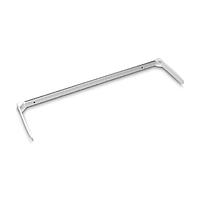
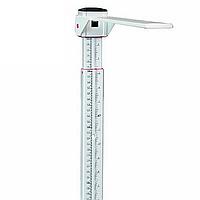
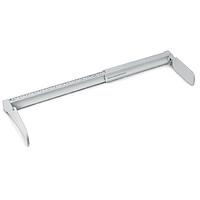
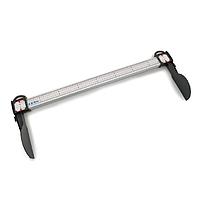
Some KERN products listed nearby, such as the MSB 80, MBA-A01, MSF 200, and MSC 100, are mechanical height rods rather than classic vernier height gauges. They are useful in adjacent measurement contexts, but their role in the portfolio is different from a workshop vernier gauge intended for part inspection on a reference surface. You can also explore the wider KERN product range if your application involves other mechanical measuring tools.
Good measurement practice for better results
Even a well-made instrument depends on correct handling. The reference surface and the base should be clean before measurement, since dust or burrs can affect the reading. The slider should move smoothly without forcing, and the contact point should touch the workpiece with controlled pressure rather than excessive force.
It is also important to align the instrument properly with the measured feature. Misalignment, uneven surfaces, or poor lighting during scale reading can introduce avoidable error. In routine inspection work, users often improve repeatability by following the same measuring sequence each time and checking zero or reference position before starting.
For larger mechanical gauges, careful transport and storage matter as well. Keeping the instrument clean, dry, and protected from impact helps maintain smooth movement and preserves the scale readability over time. These simple steps are often just as important as the nominal specification on paper.
When a vernier model is the right choice
A vernier height gauge is often a strong fit when users want a mechanical measuring instrument without relying on batteries or digital electronics. It suits environments where durability, direct scale reading, and predictable operation are valued, especially for manual inspection and layout work.
For teams that prioritize fast numerical display, data transfer, or operator convenience, a digital model may be the better path. But for many machine shops, training environments, maintenance departments, and general metrology tasks, the vernier format remains relevant because it offers a practical balance of accuracy, simplicity, and control.
Choosing the right model for your application
The best option depends on the size of your parts, the reading value you actually need, and how the instrument will be used day to day. Smaller 0-300 mm models may be sufficient for standard component inspection, while 0-600 mm and above are more appropriate for larger workpieces or fixture measurement. If your tasks involve repeated fine readings, a model with 0.01 mm graduation may be worth considering.
This category brings together vernier height gauge options from recognized manufacturers for different workshop requirements. By comparing range, readability, structure, and intended use, buyers can narrow the selection to a tool that matches their inspection process rather than simply choosing the largest or most complex model available.
For many B2B users, that practical fit is what matters most: a height gauge that is stable on the bench, clear to read, and suitable for the level of precision required in everyday production and quality control.
Get exclusive volume discounts, bulk pricing updates, and new product alerts delivered directly to your inbox.
By subscribing, you agree to our Terms of Service and Privacy Policy.
Direct access to our certified experts