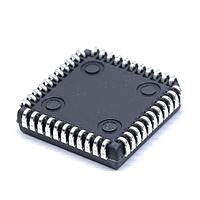
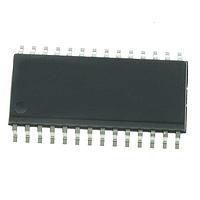
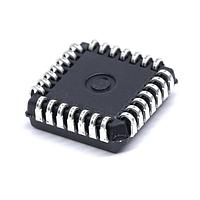
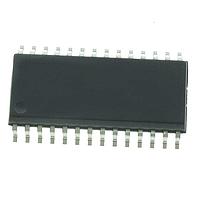
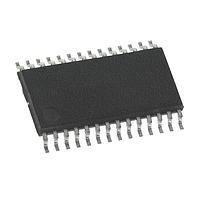
VFD Drivers
In display and control electronics, stable drive circuitry is essential for turning logic-level commands into clear, readable visual output. When a design uses vacuum fluorescent displays, choosing the right VFD Drivers helps manage segment control, grid timing, brightness behavior, and system integration more effectively in industrial, instrumentation, and embedded applications.
This category focuses on driver ICs intended for VFD-based display architectures. For engineers, buyers, and maintenance teams, the main goal is usually straightforward: find devices that fit the display topology, the control method, and the electrical requirements of the target equipment without adding unnecessary complexity to the design.
Where VFD drivers fit in a display system
A VFD driver acts as the interface between the controller and the vacuum fluorescent display itself. In practical terms, it helps handle the switching and drive functions needed to operate segments and grids in a controlled way, allowing the host system to present numbers, symbols, status indicators, or simple text on the front panel.
These ICs are commonly relevant in equipment where a bright, easy-to-read display is preferred, especially in environments where visibility, response, and reliable panel indication matter. In many designs, the driver stage is not just a support component; it directly affects readability, refresh behavior, and how efficiently the overall display subsystem is managed.
Typical applications and design context
VFD technology has been used across a wide range of electronic equipment, from control panels and measurement instruments to consumer interfaces and industrial devices. In these systems, the driver must work as part of a larger signal chain that includes logic control, power management, and the physical display assembly.
For product developers and sourcing teams, this means selection is rarely based on the IC alone. It is more useful to evaluate the display format, the number of controlled elements, interface needs, and the expected operating conditions. If your broader project also involves other display-related ICs, it may be helpful to review related categories such as display controllers and drivers for system-level comparison.
Key factors to consider when selecting VFD drivers
The first consideration is usually display architecture. Different VFD implementations may require different approaches to segment and grid driving, so compatibility with the intended display arrangement is fundamental. Engineers typically begin by confirming how many outputs are needed and how the display is multiplexed within the final product.
Another important point is control integration. In some designs, simplifying communication between the host controller and the display circuitry can reduce board complexity and improve maintainability. It is also worth reviewing voltage domain considerations, timing behavior, and how the device fits into the broader power and control scheme of the equipment.
From a purchasing perspective, lifecycle support and manufacturer ecosystem can also matter. Brands such as Analog Devices and Maxim Integrated are often considered in professional design environments where consistency, documentation, and long-term sourcing are part of the evaluation process.
How VFD drivers differ from other driver IC categories
Although all driver ICs serve the broader purpose of controlling loads or display elements, VFD-focused devices belong to a more specific display technology context. Their role is tied to the electrical and functional needs of vacuum fluorescent displays rather than to backlighting, semiconductor lasers, or general-purpose visual interfaces.
That distinction becomes clearer when comparing adjacent product groups. For example, designs based on character or panel liquid crystal modules may instead require LCD drivers, while signage and indicator panels built around solid-state illumination often use LED display drivers. Looking at these neighboring categories can help narrow the right technology path before device-level selection begins.
Practical sourcing considerations for B2B buyers
For OEM purchasing, contract manufacturing, repair operations, and MRO teams, the requirement is often more practical than theoretical: match the right driver type to the installed display system and avoid incompatibility during replacement or redesign. In this situation, part-family identification, package fit, and functional alignment with the original circuit are often more important than broad marketing claims.
When reviewing options, it helps to confirm whether the project is a new design, a form-fit-function replacement, or a partial subsystem update. That context changes how much flexibility is available in device choice. A legacy display board may prioritize compatibility and availability, while a new product design may focus more on integration efficiency and long-term supply planning.
Why category-level comparison matters
Not every display project should default to the same driver technology. A clear category-level comparison helps engineering and procurement teams avoid wasting time on devices intended for a different display method. This is especially useful in multi-product organizations where one team may be working with VFD front panels while another is standardizing around LCD or LED-based interfaces.
Using the category as a starting point makes the shortlist more relevant and improves communication between design, purchasing, and maintenance stakeholders. Instead of evaluating unrelated ICs, teams can focus on products that belong to the correct functional family and then refine the selection based on control requirements, operating conditions, and supply strategy.
Conclusion
Choosing suitable VFD driver ICs starts with understanding the display technology, the control method, and the constraints of the final equipment. A well-matched driver can support clearer display operation, smoother system integration, and more efficient product selection across both new designs and replacement scenarios.
If you are comparing options within this category, it is worth evaluating the display structure first, then reviewing interface and sourcing needs in parallel. That approach makes it easier to identify VFD drivers that fit the application technically and commercially without overcomplicating the selection process.
Get exclusive volume discounts, bulk pricing updates, and new product alerts delivered directly to your inbox.
By subscribing, you agree to our Terms of Service and Privacy Policy.
Direct access to our certified experts