Free Ion Sensors
Accurate ion-specific measurement is essential in water quality control, agriculture, laboratory analysis, and process monitoring. When the goal is to track a particular dissolved ion rather than a general conductivity value, Free Ion Sensors help deliver more targeted data for decision-making, dosing control, and sample verification.
This category brings together sensors and ion-selective measuring components used to detect ions such as ammonium, sodium, potassium, calcium, nitrate, and other specific analytes in aqueous solutions. These devices are especially relevant where selective measurement, fast response, and compatibility with portable or fixed monitoring systems matter.
Where free ion sensors are used
Free ion measurement is commonly applied in environmental testing, wastewater treatment, hydroponics, aquaculture, and industrial water analysis. Instead of estimating conditions indirectly, an ion-selective sensor focuses on the concentration of a particular target species in the sample, which can be useful for troubleshooting nutrient balance, monitoring contamination, or controlling treatment steps.
These sensors are often used alongside other liquid analysis instruments. For example, ion monitoring may be combined with DO sensors in biological treatment systems or paired with chlorine sensors in broader water quality programs, depending on the application.
Typical sensor types in this category
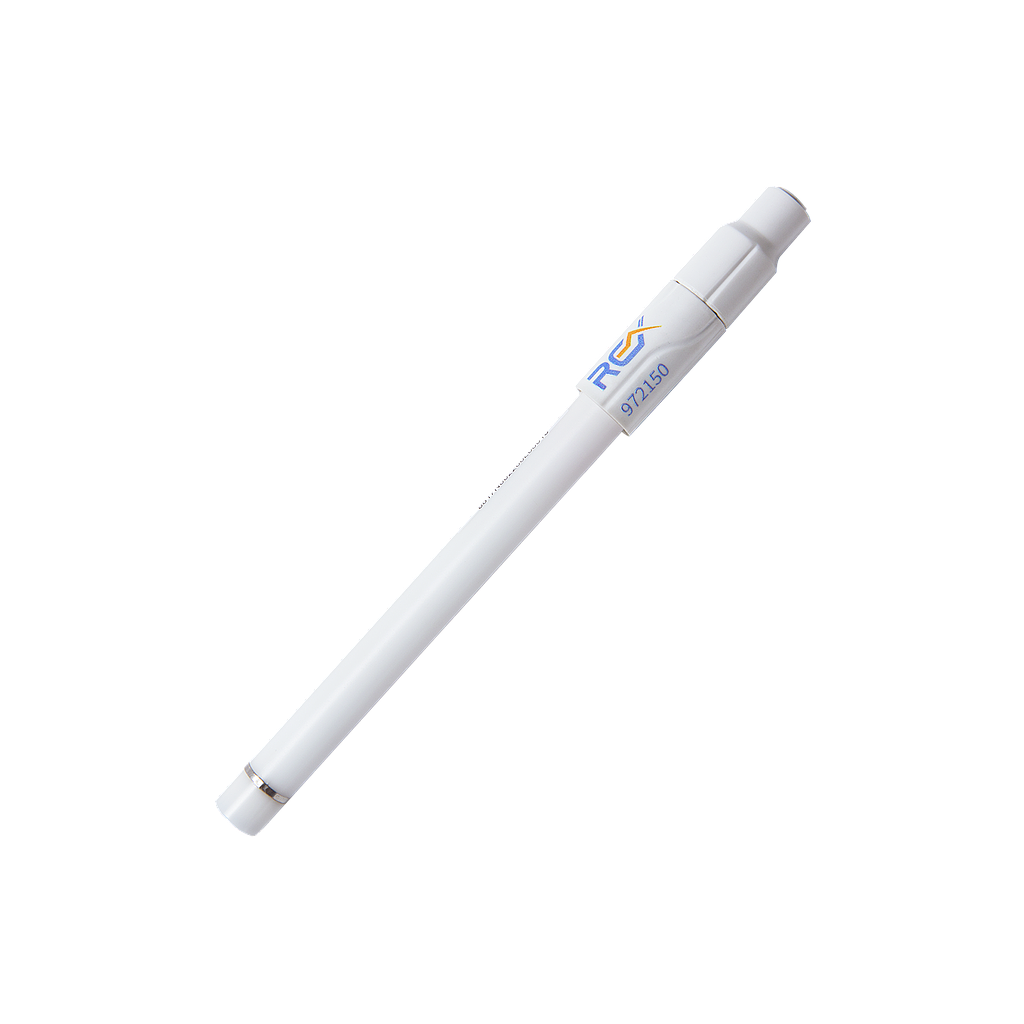
The category includes several practical formats. One common group is the ion-selective electrode, often used in laboratory or field measurement setups for direct ion analysis. Another group includes replacement sensor heads for portable meters, which are useful when maintaining handheld testing equipment without replacing the full instrument.
There are also digital ISE solutions designed for continuous or semi-continuous measurement in process environments. These are typically selected when users need stable integration with monitoring systems, temperature compensation, and repeatable readings under routine operating conditions.
Examples of ions measured
The product range shown in this category illustrates the variety of ions that may need dedicated measurement. For portable meter maintenance, examples include the Spectrum Technologies 2540L sodium replacement sensor, 2455L calcium replacement sensor, 2440L potassium replacement sensor, and 2345L nitrate replacement sensor for LAQUA meters. These types of components are especially relevant when users already operate a compatible handheld platform and need to restore measurement capability for a specific analyte.
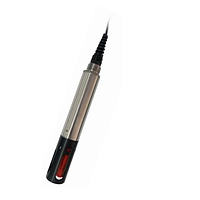
For broader ion-selective electrode applications, SENSOREX models such as IS222CD-CL, IS222CD-F, IS222CD-K, and IS222CD-NH4 represent the role of dedicated electrodes for selective analysis. In process-oriented monitoring, the WTW AmmoLyt Plus digital ISE sensor for ammonium is an example of a sensor intended for targeted ammonium measurement where continuous or routine monitoring is important.
How to choose the right free ion sensor
Selection usually starts with the target ion. Sodium, potassium, calcium, ammonium, nitrate, and other ions each require the correct sensing element or electrode chemistry. Compatibility with the intended meter, transmitter, or cable assembly is equally important, especially for replacement sensors and electrode-based systems.
Users should also consider sample conditions such as temperature range, expected concentration range, pH window, and response time. In real operating environments, these factors affect measurement stability and suitability more than product naming alone. If your process includes solids, disinfectants, or multiple water quality variables, it may also be useful to review complementary technologies such as turbidity sensors or SS and MLSS sensors for a more complete monitoring setup.
Manufacturer options in this range
Several established manufacturers appear in this category, each reflecting a different use case. SENSOREX is represented with ion-selective electrodes suited to targeted analytical measurement, while WTW offers a digital ammonium ISE option for more integrated sensing workflows. Spectrum Technologies is relevant for users maintaining compatible LAQUA handheld meter platforms through dedicated replacement sensors.
Riken Keiki also appears in the broader selection with sensor products such as OS-BM1, TE-7515, and OS-B3. While product naming and application context should always be checked carefully during selection, these examples show that the category can support different monitoring needs across environmental and industrial sensing environments.
Why replacement sensors matter
In many B2B environments, replacing only the sensing element is more practical than replacing the entire measuring system. This helps reduce downtime, preserve existing workflows, and maintain consistency in equipment fleets already deployed in the field or laboratory.
Replacement parts are particularly valuable for portable ion meters used in recurring spot checks, agronomic testing, and maintenance rounds. When the meter body remains functional, installing the correct replacement sensor can be a cost-conscious way to restore reliable readings and extend equipment service life.
Application fit matters more than product count
Free ion measurement is rarely a one-size-fits-all task. The right solution depends on whether the sensor will be used for handheld spot testing, bench analysis, or process monitoring, and whether the priority is portability, continuous operation, maintenance convenience, or compatibility with an existing platform.
That is why a well-structured free ion sensor category should help users compare sensing approaches rather than simply browse model names. Looking at analyte type, connection method, operating conditions, and system compatibility will usually lead to a better choice than focusing only on brand or format.
Find a suitable sensor for your measurement task
This category is designed for users who need more selective liquid analysis than general-purpose water sensors can provide. Whether you are replacing a sodium, calcium, potassium, or nitrate sensor for a handheld meter, or specifying an ammonium or ion-selective electrode for ongoing analysis, the key is matching the sensor to the ion, instrument, and sample conditions.
By reviewing application needs first and then narrowing by compatibility and measurement range, it becomes easier to identify the most appropriate free ion sensing solution for your process or testing workflow.
Get exclusive volume discounts, bulk pricing updates, and new product alerts delivered directly to your inbox.
By subscribing, you agree to our Terms of Service and Privacy Policy.
Direct access to our certified experts