High-heel stability depends on more than the visible shape of the heel or outsole. A concealed component known as the steel shank plays an important structural role in many shoes, particularly medium- and high-heeled footwear. When this component does not provide an appropriate balance of support and flexibility, walking comfort and shoe stability can be affected.
Therefore, a shoe shank tester is an important piece of equipment in the shoe quality control process. It helps assess key properties of the shank before the finished shoe reaches the wearer.
What Is a Steel Shank in Footwear?
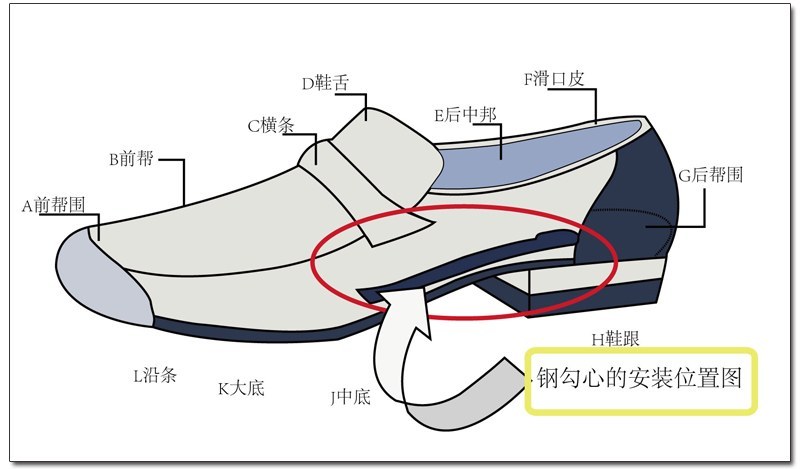
A steel shank is a metal component positioned between the outsole and insole in the central area of a shoe or boot. It is not normally visible from the outside. Its function is to help connect and support the heel and forefoot sections of the sole.
By helping maintain the curvature of the sole, the shank contributes to the shoe’s structural behavior during wear. This becomes especially relevant when a shoe has a raised heel, where the heel section and sole must work together to support the wearer’s gait.
Why Steel Shanks Matter for High-Heel Stability
The steel shank is one of the main load-bearing parts of a shoe. It needs sufficient strength and rigidity to support the form of the footwear. At the same time, it requires an appropriate degree of flexibility for wearing comfort.
If a shank is too soft, the heel may shift forward, backward, or sideways during walking. Such movement can make the shoe feel unstable and may affect the appearance of the footwear. Over prolonged wear, an unstable shoe may also contribute to fatigue in the feet, legs, and waist.
However, excessive hardness is not necessarily desirable. A shank that is too hard can reduce comfort. When gait is unstable, external impact may also make the heel more vulnerable to damage. The shoe may feel less secure underfoot or fail to fit the foot comfortably.
Effective footwear quality control considers this balance rather than focusing on only one property. High-heeled shoe shank tester helps manufacturers evaluate whether the component delivers the support and flexibility required for its intended footwear construction.
Common Steel Shank Types
Steel shanks may be classified according to the intended wearer, including men’s, women’s, and children’s footwear. They may also be differentiated by shape.
- I-shaped shanks: A straight shank form used in footwear construction.
- Y-shaped shanks: A shank design with a branched profile.
- L-shaped shanks: A form described for women’s high heels, with a rear portion bent downward to create a short side embedded in the molded bottom.
The selected shape should suit the structure and use of the shoe. Regardless of shape, consistent material quality and mechanical performance remain important inspection priorities.
Key Properties for Steel Shank Testing
The referenced GB/T 28011-2011 standard for steel shanks of footwear separates quality considerations into external and internal categories. External quality includes markings, appearance, length, width, and thickness.
Internal quality includes longitudinal stiffness, fatigue resistance, hardness, and bending performance. These properties are identified as important safety indicators because they relate directly to the shank’s ability to function within the shoe structure.
Longitudinal Stiffness
Longitudinal stiffness indicates how the shank resists deformation along its length. This characteristic is important for supporting the sole profile and helping the heel and forefoot remain properly connected during use.
Fatigue Resistance
Footwear experiences repeated loading during walking. Fatigue resistance testing evaluates how a steel shank performs under repeated stress, helping quality teams identify whether it can maintain its function through ongoing use.
Hardness and Bending Performance
Hardness testing assesses resistance to indentation or deformation, while bending performance considers how the shank responds when bent. Reviewing both characteristics helps inspectors consider the necessary balance between structural support and wearer comfort.
Equipment Used in Shoe Shank Tester
Gester offers footwear testing equipment for evaluating key steel shank properties. The Automatic Digital Rockwell Hardness Tester GT-HRS-150 is listed for steel shank hardness testing. For fatigue resistance evaluation, the Steel Shanks Fatigue Resistance Tester GT-KB46 is identified. Longitudinal stiffness can be assessed with the Steel Shanks Stiffness Tester GT-KB45.
Using appropriate test equipment allows footwear quality teams to assess individual shanks as part of a structured inspection process. Combined with checks of dimensions, appearance, and markings, these tests provide a more complete basis for evaluating steel shank quality.
Building a Practical Inspection Approach
A practical steel shank testing workflow begins by confirming visible and dimensional requirements, then proceeds to mechanical properties such as stiffness, fatigue resistance, hardness, and bending behavior. Recording results consistently can help manufacturers compare components and support production quality decisions.
For high-heeled footwear, attention to the shank is particularly important because it is a hidden component with a direct role in sole support and heel stability. Shoe shank tester helps quality-control teams address this critical structural element before it affects the performance of the finished shoe.