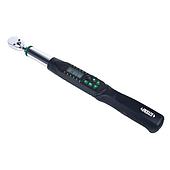
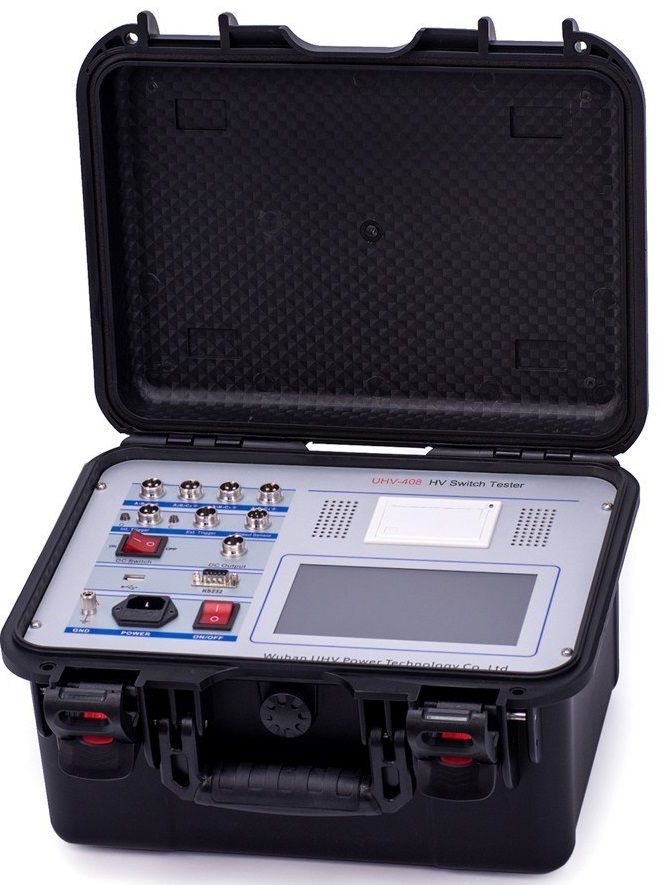
A switch characteristic comprehensive tester is used to evaluate the operating behavior of high-voltage switchgear. In power systems, circuit breakers, isolating switches, and grounding switches perform essential switching functions. Their condition can affect equipment availability and the continuity of power supply, so clear and repeatable test data is valuable during inspection and maintenance work.
What Is a Switch Characteristic Comprehensive Tester?
This type of test instrument brings together measurement functions used to assess switch operation. It helps technicians examine whether a switching device opens and closes as expected and whether the actions of multiple poles remain consistent. Rather than relying only on visual inspection, testing provides measurable information that can be reviewed, compared, and investigated when results appear unusual.
Switch characteristic testing is mainly associated with high-voltage circuit breakers and may also be relevant to isolating switches, grounding switches, and other switch equipment in a power system. The appropriate testing scope depends on the equipment type and the needs of the work site.
Why Switch Characteristics Matter
High-voltage switchgear combines mechanical, electrical, and insulating elements. Its response during an opening or closing operation is influenced by the internal mechanism, operating method, contact system, and surrounding conditions. A change in any of these areas may affect the behavior seen in a test.
For example, the mechanical structure of a switch influences operating speed and spring force. The operating mechanism, whether spring-operated or electrically operated, also contributes to how the device responds. Contact pressure and contact wear can affect current conduction. In addition, temperature, humidity, and dust are environmental factors that may influence switch performance.
Testing does not replace a full maintenance assessment. It does, however, give maintenance teams a structured basis for identifying whether further checks are needed and for following changes over time.
Key Measurements in Switchgear Testing
Opening and Closing Time
Opening and closing time indicates how quickly the switch operates. Reviewing these timings helps evaluate the action of the switching device and its operating mechanism. Consistent procedures are important so that results can be meaningfully compared across different test sessions.
Synchronization Between Poles
Synchronization, also called synchronicity, refers to the consistency of action time among phase contacts during opening and closing. In multi-pole circuit breakers, this measurement is an important part of evaluating coordinated operation. A tester can help reveal differences in the timing of individual poles for further review.
Spring Operating Mechanism Characteristics
Where applicable, testing can address characteristics of a spring operating mechanism, including energy-storage time and operating energy. These measurements support assessment of the mechanism that drives the switch action.
Contact and Insulation-Related Checks
Contact resistance testing is used to evaluate the quality of contact between conductive parts. Insulation reliability is another important consideration for high-voltage equipment. The available source information also identifies partial discharge and related methods as part of insulation performance checking. The exact methods selected should match the equipment and test requirements.
Good Practice for Reliable Test Results
A useful result depends on more than the instrument alone. Follow defined test procedures to reduce avoidable variation caused by setup or operation. Regular calibration is also important for maintaining confidence in measurement accuracy.
After testing, review the data in context. Comparing current results with historical records can help identify changes that deserve attention. If a result appears abnormal, repeat the test first to help confirm the measurement. Then, where needed, arrange further investigation by qualified technical personnel or the equipment manufacturer.
Keeping test records organized also supports long-term equipment management. Records can include the equipment identification, test conditions, measured values, date, and observations made during the work. This creates a clearer basis for trend analysis during future maintenance activities.
Choosing a Suitable Tester
Selecting a high-voltage circuit breaker analyzer should begin with the switchgear to be tested. Consider the equipment type, voltage level, and on-site testing requirements. Users should also confirm that the chosen instrument and test approach suit the required measurements, such as opening and closing time, synchronization, mechanism characteristics, or contact resistance.
A disciplined testing process helps turn measurements into actionable maintenance information. By combining suitable equipment, standardized operation, regular calibration, and careful data review, teams can better evaluate the operating condition of high-voltage switchgear.
Frequently Asked Questions
What equipment can be tested?
The source information identifies high-voltage circuit breakers, isolating switches, grounding switches, and other power-system switch equipment as typical applications.
What should be done when test data is abnormal?
Repeat the measurement of circuit breaker characteristic tester, to help verify the result and instrument setup. If the result remains abnormal, seek further diagnosis from qualified technical personnel or the equipment manufacturer.