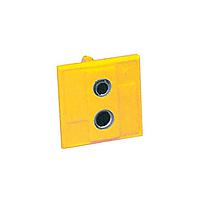
Panel Mount Connectors
Reliable panel terminations matter whenever temperature signals need to move cleanly from the sensing point to the front of an enclosure or instrument panel. In measurement systems that use thermocouples, a well-chosen panel mount connector helps simplify wiring, improves serviceability, and makes routine maintenance much safer and faster.
This category focuses on connection hardware used to bring temperature sensor circuits to a fixed panel interface. These components are commonly selected for test benches, industrial control cabinets, laboratory instrumentation, and process monitoring panels where organized signal routing is just as important as measurement accuracy.
Where panel mount connectors fit in temperature measurement systems
In practical installations, temperature sensors are rarely wired directly into an instrument without some form of intermediate connection. A panel-mounted interface creates a defined handoff point between field wiring and the internal side of the panel, helping technicians isolate channels, label circuits, and replace components without disturbing the entire assembly.
For thermocouple applications, this approach is especially useful because signal integrity can be affected by poor terminations, mismatched materials, or loose wiring practices. Using dedicated panel-mounted connection points supports a cleaner layout and a more maintainable system design, particularly when multiple channels are grouped inside one cabinet.
Typical applications for panel-mounted temperature connectors
These products are commonly used in multi-point temperature monitoring, environmental chambers, pilot plants, OEM equipment, and test instrumentation. When many sensor lines must be routed through the face of a cabinet or control panel, a mounted connector arrangement keeps the installation easier to trace and less prone to accidental disconnection.
They are also helpful in setups where operators or maintenance personnel need quick access to sensor circuits from the panel exterior. In those situations, panel interfaces can reduce downtime by making it easier to identify channels, swap inputs, or verify wiring during troubleshooting.
What to consider when choosing a panel mount connector
The first point is compatibility with the signal type and installation style. In temperature measurement systems, buyers typically look at whether the connector will be used with thermocouple circuits, how many channels or positions are needed, and whether the panel has space for the required cutout and mounting depth.
Mechanical and electrical details also matter. Contact arrangement, connection method, and switching behavior can all influence how the connector performs in real use. For example, some configurations are better suited to controlled signal transfer in multi-channel selector arrangements, while others are chosen mainly for straightforward fixed termination.
It is also worth considering service access. A panel-mounted design should support clear labeling, secure wire entry, and enough room behind the panel for termination and inspection. In systems that may expand over time, choosing a format that keeps the panel organized can make future modifications much easier.
Representative OMEGA options in this category
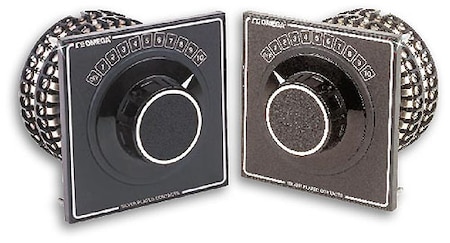
This selection includes panel-oriented thermocouple switching products from OMEGA, including models such as the OMEGA SW144G-16-M, SW144G-20-B, SW144G-24-M, and SW144G-34-B Rotary Thermocouple Selector Switches. These examples illustrate how panel-mounted temperature connections can be combined with multi-position rotary selection for installations that monitor or check several thermocouple inputs through a single front-panel device.
Across the listed range, users can find versions with different numbers of positions, including 16, 18, 20, 24, 30, and 34-position options. The available models also show a choice between make-before-break and break-before-make contact action, which may be relevant depending on how the measurement point is switched and how the receiving instrument should behave during channel changes.
These OMEGA selector switch models are built for panel installation and include features such as gold-plated contacts and jab-in connections. Rather than treating them as generic switches, it is more useful to view them as part of a broader temperature signal interface strategy for organized, front-access thermocouple management.
Panel mounting versus other connector formats
Not every installation calls for the same connection approach. A fixed panel interface is often the right choice when the enclosure itself should act as the central access point for sensor circuits. This can be preferable in permanent installations where wiring discipline, repeatability, and quick access from the front of the panel are priorities.
By contrast, some systems may be better served by field wireable connectors when flexible on-site cable termination is needed, or by DIN rail connectors when the goal is structured internal cabinet wiring on a rail-based layout. For denser multi-channel terminations, jack panels may also be worth reviewing as part of the same system architecture.
Why organized panel interfaces improve maintenance
A good panel connection scheme does more than provide a mounting point. It supports channel identification, reduces the chance of wiring errors, and helps technicians work more confidently during calibration, replacement, or diagnostics. In busy production and laboratory environments, these small advantages can add up to meaningful time savings.
Panel-mounted temperature connectors also make it easier to standardize builds across multiple machines or cabinets. When each enclosure follows the same connection layout, spare parts planning, technician training, and documentation become much more consistent.
Selection tips for multi-channel thermocouple setups
When comparing options, start with the number of temperature inputs that need to be accessed from the panel. A compact installation may only require a lower position count, while a larger test rig or process panel may benefit from 24, 30, or 34-position selector formats. It is generally better to match the hardware to the actual channel plan instead of oversizing without a reason.
Next, consider how channel switching should behave. The difference between make-before-break and break-before-make operation can matter in sensitive measurement workflows, especially where continuity during switching or deliberate circuit interruption is preferred. Finally, confirm the physical mounting requirements so the connector fits the intended cutout, panel depth, and operator access conditions.
Find the right panel mount connector for your build
Choosing the right Panel Mount Connectors category product depends on how your temperature signals are routed, how many channels must be handled, and how accessible the panel interface needs to be in daily operation. For straightforward panel terminations or more specialized rotary thermocouple selection, the products in this category help support cleaner wiring and more manageable measurement systems.
If your application also involves other temperature connection formats, it can be useful to review adjacent options across the same connector ecosystem before finalizing the design. A well-planned panel interface is often a small component in the bill of materials, but it has a major impact on usability, maintenance, and long-term reliability.
Get exclusive volume discounts, bulk pricing updates, and new product alerts delivered directly to your inbox.
By subscribing, you agree to our Terms of Service and Privacy Policy.
Direct access to our certified experts