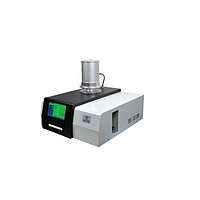
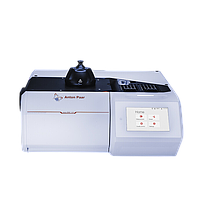
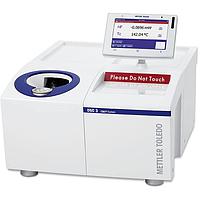
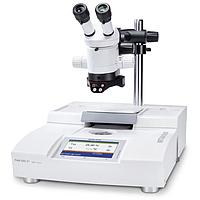
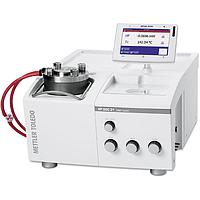
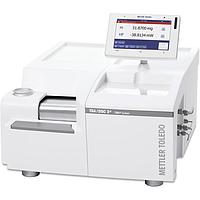
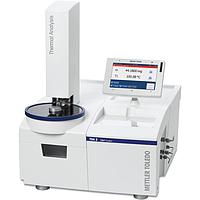
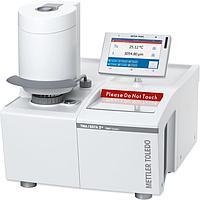
Thermal Analyzer
When temperature directly affects material behavior, product quality, or process stability, standard sensing alone is often not enough. Engineers and lab teams need tools that show how a sample responds to controlled heating and cooling, which is where Thermal Analyzer instruments become especially valuable in research, quality control, and process development.
Across polymers, chemicals, electronics, and advanced materials, thermal analysis helps reveal transitions, heat flow behavior, and thermal response under repeatable test conditions. This category brings together instruments used to evaluate those temperature-dependent properties with the level of control and measurement accuracy required in technical environments.
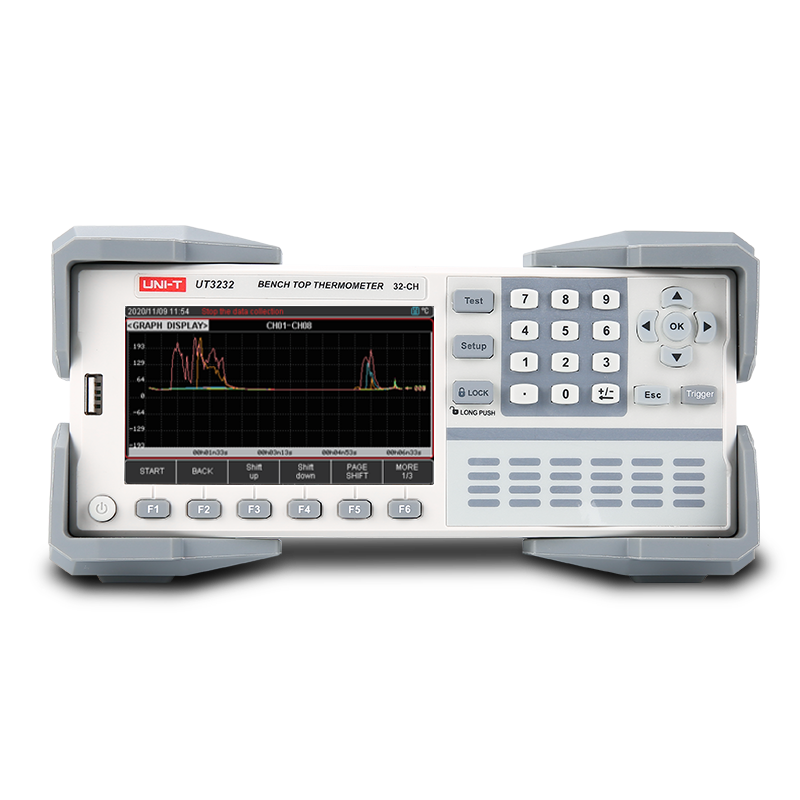
Why thermal analysis matters in industrial and laboratory work
Many materials cannot be assessed properly by visual inspection or a single-point temperature reading. Their performance may change during heating, cooling, melting, curing, or other thermal events, so a thermal analyzer is used to capture those changes in a measurable way.
This makes thermal analysis relevant for formulation studies, incoming material inspection, failure analysis, and production support. It is commonly used when teams need to compare batches, investigate process windows, or understand how thermal history influences final product behavior.
Typical measurement needs covered by this category
In practical terms, this category supports users who need more than surface temperature indication. Some applications focus on measuring heat-related transitions in materials, while others are tied to process verification tasks where thermal conditions must be checked against defined criteria.
For broader temperature monitoring tasks, users may also compare thermal analyzers with temperature meters and indicators when deciding whether they need simple readout devices or a more advanced analytical instrument. The distinction is important: one supports routine measurement, while the other helps characterize how a material or process behaves over temperature.
Representative instruments in this range
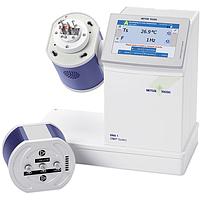
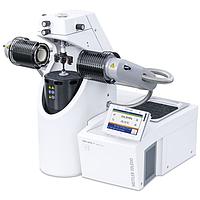
One of the clearest examples in this category is the differential scanning calorimeter, used to study how materials absorb or release heat during a controlled temperature program. Models such as the Anton Paar Julia DSC 300 Differential Scanning Calorimeter (ACM) and Anton Paar Julia DSC 500 Differential Scanning Calorimeter (ACM) illustrate this type of capability, including controlled heating and cooling performance, wide operating temperature ranges, and high measurement precision for thermal events.
These systems are relevant when evaluating transitions and thermal behavior in materials that require repeatable calorimetric analysis. For users already working with this brand in related applications, the Anton Paar portfolio can provide useful context around the broader instrument ecosystem.
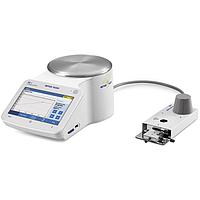
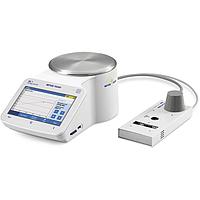
The category can also include more application-specific tools such as the Malcom DS-11 Dip tester. While different from a laboratory calorimeter, it still addresses a thermal verification need by checking conditions such as soldering temperature, board topside temperature, and dip time. That makes it relevant for electronics manufacturing environments where thermal process consistency is critical.
How to choose the right thermal analyzer
The best selection process starts with the measurement objective. If the goal is to analyze material transitions and heat flow, a differential scanning calorimeter may be the right fit. If the need is tied to process verification in production, a dedicated tester designed for a specific thermal task may be more appropriate.
Users should also review the required temperature range, heating and cooling performance, sample behavior, accuracy expectations, and the type of output data needed for reporting or comparison. In many purchasing decisions, repeatability and suitability for the actual workflow matter more than selecting the most complex instrument available.
It is also worth considering the surrounding setup. Sensors, cables, and connection components can affect day-to-day usability, so related items such as temperature wire and cable or suitable accessories may be part of the complete implementation, depending on the test environment.
Applications across materials, electronics, and process control
Thermal analyzers are used in a wide range of technical fields because temperature influences materials in different ways. In material development, they help identify transitions and compare formulations. In quality functions, they support incoming inspection and lot-to-lot consistency checks. In manufacturing, they may be used to verify whether a thermal process remains within acceptable limits.
Electronics-related applications are another strong example. A device such as the Malcom DS-11 Dip tester is aligned with production checks where soldering temperature and exposure time need to be confirmed. In contrast, calorimetric systems such as the Anton Paar Julia DSC series are more suited to laboratory analysis of thermal properties rather than inline production checks.
For complementary non-contact inspection, some users also review a thermal imaging camera for surface temperature visualization. That serves a different purpose, but it can be useful alongside analytical instruments in troubleshooting or process observation.
Key considerations before purchasing
Before choosing a system, it helps to define the sample type, expected temperature profile, and the level of analytical detail required. Teams should also think about test throughput, operator skill level, data handling expectations, and whether the instrument will be used mainly in R&D, QA, or production support.
Brand preference may also play a role when consistency across sites or departments is important. This category includes solutions from Anton Paar and Malcom, each relevant to different thermal measurement needs. Rather than comparing them as direct substitutes, it is usually more useful to match the instrument type to the real application and reporting requirement.
Finding a suitable solution for your workflow
Thermal analysis equipment is most effective when it is selected around the decision you need to make: material characterization, process validation, comparative testing, or routine verification. A clear understanding of the test objective helps narrow the choice between analytical laboratory instruments and more task-focused thermal test devices.
This Thermal Analyzer category is intended to support that evaluation with products suited to controlled temperature-based analysis and verification. If you are reviewing options for a lab or industrial process, start with the application, the needed temperature behavior data, and the practical test conditions so the selected instrument fits both the technical requirement and the workflow around it.
Get exclusive volume discounts, bulk pricing updates, and new product alerts delivered directly to your inbox.
By subscribing, you agree to our Terms of Service and Privacy Policy.
Direct access to our certified experts