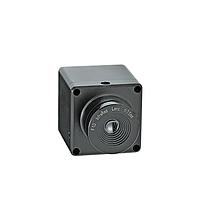
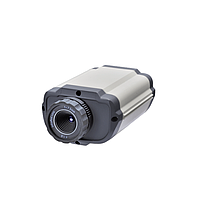
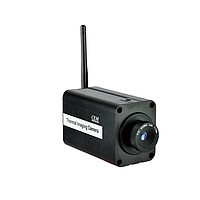
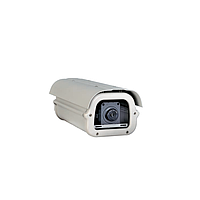
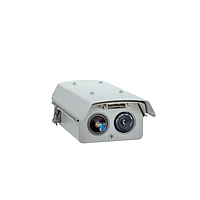
Fixed thermal imaging camera
Continuous temperature monitoring is often required where a handheld device is not practical, such as automated production lines, furnace observation points, electrical cabinets, process equipment, and remote inspection stations. In these situations, a Fixed thermal imaging camera provides stable thermal data, repeatable positioning, and easier integration into monitoring or control systems.
Compared with portable inspection tools, fixed thermal cameras are designed for permanent installation and ongoing observation. They can stream thermal images, support alarm and I/O functions, and help maintenance or process teams detect abnormal heat patterns before they become quality issues, downtime events, or safety risks.
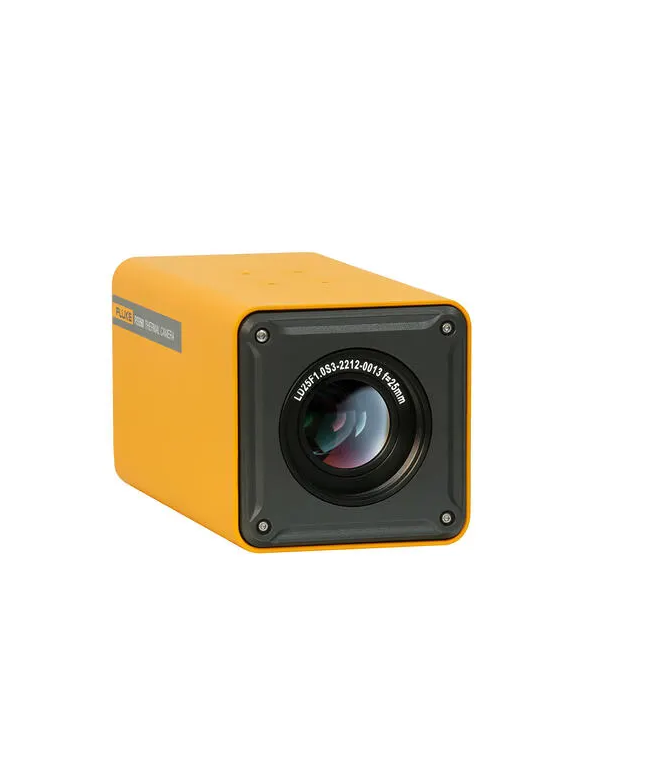
Where fixed thermal cameras fit in industrial monitoring
A fixed thermal imaging camera is typically used when the target area needs to be watched continuously rather than checked during occasional inspections. This makes it useful for condition monitoring, machine health observation, thermal process control, and high-temperature applications where operators should keep a safe distance.
In industrial environments, the value is not only in seeing a thermal image. The real advantage comes from continuous thermal measurement, automated alerts, and the ability to connect image data with networked systems. Many installed systems also support Ethernet communication, radiometric streaming, digital I/O, or protocol-based integration, depending on the model.
Typical application scenarios
Fixed thermal cameras are commonly selected for areas where heat is an important process indicator or an early warning sign. Examples include monitoring rotating equipment, checking heat build-up in electrical installations, observing ovens or heated materials, and tracking temperature changes in automated manufacturing cells.
They are also relevant in more specialized thermal tasks. For example, the FLIR G609 is aimed at furnace and boiler inspection work, where operators need to evaluate high-temperature zones from a safer distance. For research, precision process observation, or image-streaming applications, cameras such as the FLIR A70 series or FLIR A6301 variants can be more appropriate depending on field of view, lens choice, and streaming requirements.
Key selection criteria before choosing a model
The right camera depends heavily on the installation environment and the thermal task. Resolution is one of the first considerations, since it affects how much thermal detail can be captured at a given distance. In this category, examples range from 384 × 288 on the FLUKE-RSE30/APAC to 640 × 480 and 640 × 512 options on several FLIR and FLUKE models.
Temperature range is equally important. Some installed thermal cameras are built for standard industrial monitoring, while others are intended for elevated process temperatures. For instance, FLUKE RSE series mounted cameras cover up to 650 °C in the listed versions, while selected FLIR streaming cameras reach higher ranges for process-oriented applications, and the FLIR G609 is designed for very high-temperature furnace and boiler inspection use.
Lens configuration and field of view also matter. A wider lens helps monitor a larger scene, while a narrower lens can improve detail on more distant targets. Products such as the FLIR A6301 are available in multiple lens versions including 17 mm, 25 mm, 50 mm, and macro options, which makes them suitable for very different measurement distances and target sizes.
Streaming, connectivity, and system integration
One reason companies move to fixed thermal monitoring is the ability to connect the camera into a broader automation or inspection workflow. Many cameras in this category support standard industrial communication and video transport features such as RTSP, GigE Vision, ONVIF, TCP/IP, or RS-485, depending on the product family.
For example, the FLUKE RSE30/APAC and RSE60/APAC include network streaming, Modbus-related measurement output support, and alarm I/O features that can be relevant in machine monitoring systems. FLIR A70 models are more focused on thermal image streaming environments and can support protocols commonly used in machine vision and process observation. If your application is based on an installed monitoring station rather than operator mobility, this category is usually a better fit than a handheld thermal imaging camera.
Examples from leading brands
FLIR is strongly represented in this category with several installed and streaming-focused models. The A70 family is suitable for continuous image streaming and temperature observation, while the A6301 and long-life cooled MWIR cameras such as the A6451 and A6481 address more advanced thermal imaging tasks where sensitivity, lens flexibility, or spectral characteristics are critical.
FLUKE offers mounted thermal cameras such as the FLUKE-RSE30/APAC, FLUKE-RSE60/APAC, and FLUKE-RSE30H/APAC for fixed monitoring setups. These models are relevant when users need permanent installation, radiometric streaming capability, and industrial mounting combined with practical temperature measurement features. Across both brands, the main decision factors remain application temperature, image resolution, optics, and integration needs rather than brand name alone.
Fixed, handheld, benchtop, or mobile: which format makes sense?
Installed thermal cameras are ideal when the camera position must remain constant and the process needs to be observed over time. This is often the right approach for automated lines, thermal alarms, or remote condition monitoring. By contrast, a technician performing route-based inspections may still be better served by a portable device.
For lab setups, stationary testing, or controlled workstation environments, a benchtop thermal camera may be more suitable. If the application involves changing inspection points or operator-led surveys, a mobile or handheld option can be more practical. The camera format should follow the inspection workflow, not just the temperature specification.
Why accessories and optics matter
In fixed thermal imaging, the camera body is only part of the solution. Lens choice, mounting method, protective arrangements, and system interfaces can directly affect image quality and measurement reliability. A narrow field of view, macro option, or specialized lens can make a major difference when observing small targets or distant process points.
This is especially clear in product families such as the FLIR A6301, where different lens versions are intended for different working distances and target coverage. If your setup requires optical flexibility or replacement parts, it is useful to also review lens and accessories for thermal cameras as part of the overall installation plan.
Choosing a fixed thermal imaging camera with confidence
The best way to narrow down this category is to start with the real operating conditions: target size, measurement distance, expected temperature range, mounting position, and required outputs. From there, image resolution, lens selection, streaming format, and integration features can be matched more accurately to the application.
Whether the priority is process visibility, equipment protection, high-temperature inspection, or automated thermal monitoring, this category brings together installed solutions from established manufacturers such as FLIR and FLUKE. Reviewing the intended use case first will usually lead to a better selection than comparing specifications in isolation.
Get exclusive volume discounts, bulk pricing updates, and new product alerts delivered directly to your inbox.
By subscribing, you agree to our Terms of Service and Privacy Policy.
Direct access to our certified experts