Coupling
In many assembly and maintenance workflows, small connection components have a direct impact on speed, safety, and tool usability. Choosing the right coupling helps technicians connect air tools, sockets, accessories, and related equipment more efficiently while reducing unnecessary downtime during setup or changeover.
This category brings together coupling-related products used in practical workshop and industrial environments. Depending on the task, that may include quick connection parts for pneumatic lines, swivel connectors that improve handling, and accessory components that support tool compatibility within a broader assembly tool system.
Where couplings fit in assembly tool systems
A coupling is often a small but important part of the tool chain. In assembly applications, it can serve as the interface between an air supply and a pneumatic tool, or as a connection element that helps operators adapt tools and accessories to a specific working position. Good coupling selection is not only about fit; it also affects workflow continuity, ease of handling, and serviceability.
This is especially relevant in workshops that use multiple hand tools and accessories throughout the day. A well-matched connection setup can support faster tool exchange and more stable operation, particularly when combined with complementary products such as a socket wrench set or other common assembly equipment.
Typical product types found in this category
The category scope includes more than one style of connection component. Quick couplers and couplings are commonly selected when frequent connect-and-disconnect cycles are part of normal work. Swivel connectors are useful when hose movement or operator angle can otherwise place stress on the connection point. Replacement shanks and similar accessory parts help maintain compatibility across sockets and fastening tools.
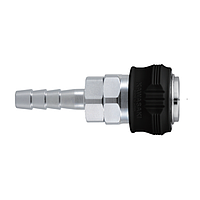
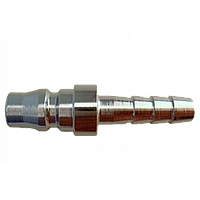
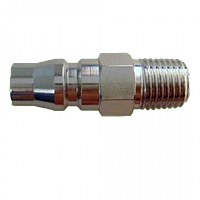
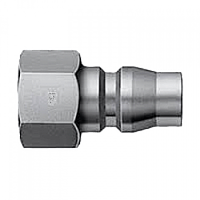
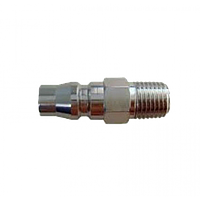
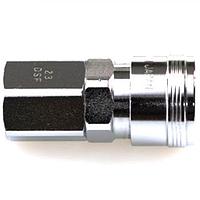
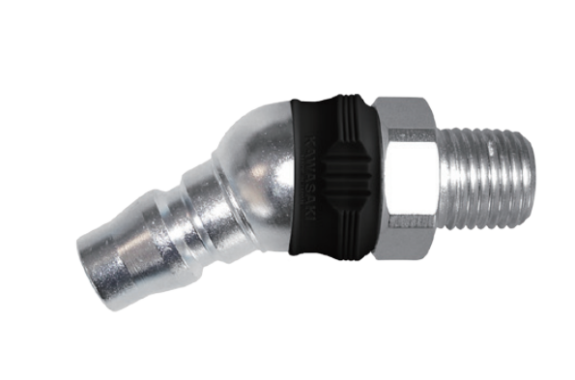
Examples from this range include the Nitto 20SH Coupler and Nitto 20PM Coupling, both of which illustrate the role of quick connection parts in pneumatic setups. The KAWASAKI KPT-SWL99 Swivel Connector shows how a compact connector can improve flexibility in use, while the TOP Kogyo ESK-S replacement shank represents the accessory side of coupling-related components within an assembly tool ecosystem.
How to choose the right coupling
The most important starting point is connection compatibility. Buyers typically check thread type, interface size, and the intended tool or accessory side before comparing dimensions. Even when two items appear similar, differences in fitting standard or physical profile can affect installation and performance.
It is also useful to consider the working environment. In confined spaces, a compact body may be easier to handle. Where movement is constant, a swivel-style connector may help reduce twisting stress. For accessory-driven hand tool applications, the required shank size or drive-related interface becomes a practical selection factor.
Physical dimensions can matter more than expected. For example, the Nitto 20SH Coupler includes a compact threaded design, while the KAWASAKI KPT-SWL99 is built around a short overall length that supports maneuverability. In tool access applications, products like the KTC BE2 series extension bars in 30 mm, 50 mm, 75 mm, 100 mm, 150 mm, 200 mm, and 270 mm show how connection-related components can also support reach and usability rather than acting only as a simple joiner.
Examples from leading manufacturers
This category includes products associated with recognized tool and connection brands. Nitto is a natural reference point for quick coupler applications, particularly where pneumatic connection reliability and repeat use are important. For users working with hand tools and automotive service tools, KTC and TOPTUL are relevant names within the wider assembly and maintenance context.
Representative items include the Nitto 20PM Coupling for connection tasks, the KTC BE2 extension bar series for reach adjustment in 1/4" tool setups, and the TOPTUL JEAX0101 Universal CV Joint Removal Puller as an example of how specialized tools may rely on compatible accessory interfaces within larger service workflows. TOP Kogyo and KAWASAKI also add useful context for users looking at shanks and swivel connection components.
Applications in maintenance, assembly, and service work
Couplings are widely used in production support, equipment maintenance, automotive service, and general workshop assembly. In pneumatic environments, quick couplers simplify air tool connection and replacement. In hand-tool-based work, related connection parts can improve accessibility, support socket adaptation, or help technicians reach recessed fasteners.
These components are often selected alongside other practical tool groups depending on the job. For example, service teams may combine coupling-related parts with a repair kit for maintenance tasks, or review other assembly tools when building out a more complete workstation setup.
What to review before placing a B2B order
For business purchasing, it helps to standardize around a few key criteria: interface type, size, tool compatibility, and intended usage frequency. This reduces mismatches across teams and makes replenishment easier over time. If the parts will be used across multiple stations, consistency in connection format is often more valuable than selecting items one by one without a system view.
It is also worth checking whether the item is a primary connection component or a supporting accessory. A quick coupler, an extension bar, a replacement shank, and a swivel connector each serve different roles. Understanding that distinction helps buyers order the right part for the task rather than a product that only appears visually similar.
Building a more practical tool setup
A well-chosen coupling supports efficient tool handling, smoother workflow transitions, and better compatibility between tools and accessories. Whether the requirement is a quick pneumatic connection, a compact swivel interface, or a drive-related accessory component, the right selection depends on how the part will function inside the full assembly process.
When comparing products in this category, focus on application fit, interface details, and the surrounding tool system. That approach makes it easier to identify coupling components that align with your maintenance or assembly requirements while supporting reliable day-to-day use.
Get exclusive volume discounts, bulk pricing updates, and new product alerts delivered directly to your inbox.
By subscribing, you agree to our Terms of Service and Privacy Policy.
Direct access to our certified experts