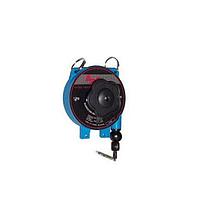
Tool balancer
In assembly lines, maintenance benches, and repetitive fastening stations, reducing operator fatigue is often just as important as choosing the right tool. A tool balancer helps suspend and support the weight of hand tools, hoses, or accessories so operators can work with better control, less strain, and more consistent positioning throughout the shift.
This category brings together balancing solutions used in industrial workstations where ergonomic handling, smooth retraction, and cleaner tool management matter. Whether the goal is to support a lightweight handheld tool or manage heavier suspended equipment, selecting the right balancer depends on load range, stroke, mounting layout, and compatibility with the equipment already in use.
Why tool balancers matter in industrial assembly
When tools are used repeatedly in vertical or semi-suspended motion, their weight quickly becomes a source of fatigue. A properly matched balancer helps keep the tool within easy reach while reducing the effort required to lift, lower, and reposition it. This can support better ergonomics in manual assembly, rework, inspection, and service environments.
Beyond operator comfort, balancers also contribute to workspace organization. By keeping tools off the bench or floor when not in use, they can help reduce clutter, improve movement around the station, and lower the chance of accidental drops or hose tangling. In practical terms, that often means smoother task flow and easier access to the right tool at the right moment.
Typical tool balancer applications
Tool balancers are commonly used with pneumatic and electric assembly tools, suspended accessories, and hose-supported devices. In many production settings, they are installed above a workstation so the operator can guide the tool naturally while the balancer manages the load and return movement. This is especially useful for repetitive fastening and handling tasks.
Some products in this category are designed as classic zero-gravity style balancers for tools, while others support related use cases such as hose management or dedicated balancing kits for compatible systems. If your workstation also relies on supporting hand tools and accessories, related categories such as socket wrench sets or repair kits may also be relevant depending on the maintenance and assembly process.
Examples from the available range
The range includes compact options for lighter tools as well as larger units for significantly heavier loads. For example, the Mountz MZ-6 and Mountz MZ-11 Zero Gravity Tool Balancers are positioned for lower-capacity applications where controlled suspension and moderate stroke are needed at a workstation. These types of models are often considered when supporting lighter hand tools in assembly or bench work.
At the heavier end, the Mountz MZ-231 Zero Gravity Tool Balancer is suited to applications where the supported load is much greater and the suspension travel needs to cover a larger operating envelope. For buyers standardizing around one supplier, the Mountz range in this category also includes balancing kits intended for specific tool series, which can be useful when matching the balancer setup to an existing fastening system.
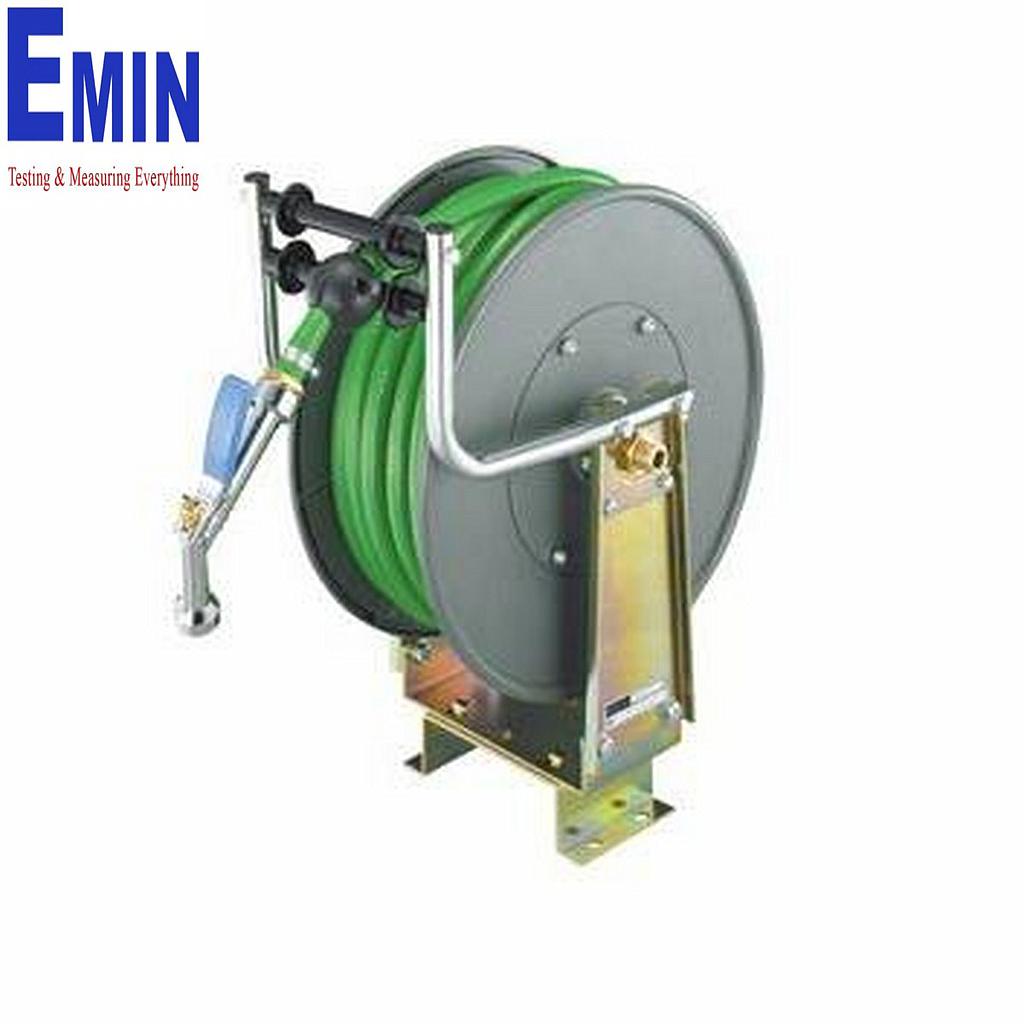
The category also includes specialized examples such as the SANKYO-TRIENS SWR-410P, which is oriented toward hose-related handling rather than simply suspending a handheld tool body. In lighter-duty balancing needs, the ASA SB-1.2 provides another option for low-capacity applications where compact support and basic suspended handling are required.
How to choose the right tool balancer
The first point to confirm is the load capacity. A balancer should match the actual working weight of the tool or supported item, including any attached accessories if applicable. Choosing too light a range can lead to poor support, while too much upward force can make the tool difficult to control and position accurately.
The second factor is stroke or cable travel. This determines how far the tool can move vertically through the operator’s working area. A short stroke may be fine for bench assembly, while a longer travel is often more suitable for larger stations, wider reach zones, or heavier equipment suspended from overhead structures.
Mounting method and installation position also matter. Some units are designed for flexible mounting orientation, while others are part of a more specific tool ecosystem. If the balancer is being added to a broader workstation setup, it is worth checking nearby tool storage and support needs as well, including items such as hex wrench sets for adjustment and changeover tasks.
Balancers, balancing kits, and supporting components
Not every item in this category serves the same role. Standalone balancers are typically the main suspension device used to offset tool weight and guide movement. By contrast, balancing kits are usually intended for defined compatible tool models and should be selected with attention to the supported series and balancing range.
Several Mountz balancing kits listed here are specified for EZ-12T, EZ-30T, EZ-70IT, EZ-120IT, and EZ-200IT platforms, with different capacity ranges available. That makes them relevant for users who are not simply buying a generic balancer, but are configuring or maintaining a broader tool system. For manufacturer-specific options beyond the balancing hardware itself, the SANKYO-TRIENS and other brand pages can help when comparing product families.
Key considerations for B2B purchasing
For industrial buyers, tool balancer selection usually goes beyond a single product specification. It often involves thinking about operator ergonomics, repeatability across multiple stations, spare part planning, and compatibility with the tools already deployed on the line. In multi-station environments, using consistent balancing ranges can also simplify training and workstation setup.
It is also important to consider the type of item being supported. A handheld driver, a suspended hose, and a dedicated balancing kit each create different selection criteria. Reviewing weight range, travel length, and intended use together will typically lead to a more reliable choice than focusing on one parameter alone.
Choosing a practical setup for your workstation
A good balancing setup should feel natural in daily use. The tool should remain easy to guide, return smoothly when released, and stay within the operator’s normal reach without pulling excessively upward or sagging under load. In many cases, the best result comes from matching the balancer not only to the tool weight, but also to the operator’s motion pattern and workstation layout.
If you are comparing options in this category, start with the actual tool or hose weight, then confirm the working travel needed and whether a general-purpose balancer or model-specific kit is more appropriate. With the right selection, a tool balancer can support safer handling, cleaner work areas, and more efficient assembly operations over the long term.
Get exclusive volume discounts, bulk pricing updates, and new product alerts delivered directly to your inbox.
By subscribing, you agree to our Terms of Service and Privacy Policy.
Direct access to our certified experts