Pneumatic Multipliers
When bolted joints require more torque than a standard pneumatic wrench can comfortably deliver, a higher-force fastening solution becomes necessary. Pneumatic multipliers are designed for exactly that role: converting compressed air power into controlled, high-output torque for tightening and loosening heavy-duty fasteners in industrial maintenance, assembly, and field service work.
This category focuses on tools used where repeatable torque, operator safety, and mechanical advantage matter more than raw speed alone. It is especially relevant for applications involving large flange bolts, structural fasteners, heavy equipment, and plant maintenance tasks where manual torque methods become slow or impractical.
What pneumatic multipliers are used for
A pneumatic multiplier uses air power together with an internal reduction mechanism to generate much higher output torque than a compact direct-drive air tool. This makes it suitable for bolting jobs that demand substantial force but still benefit from pneumatic operation, particularly in workshops and industrial environments where compressed air is already available.
Compared with lighter-duty fastening tools, these systems are typically selected for larger bolt sizes and higher torque ranges. For general fastener removal and assembly at lower torque levels, users may also compare them with an air impact wrench, but multipliers are usually the better fit when the job requires higher torque output with more controlled application.
Typical industrial applications
These tools are commonly used in sectors where bolted joints are large, safety-critical, or exposed to demanding service conditions. Maintenance teams often rely on them during shutdown work, machinery installation, steel structure assembly, and bolting tasks on process equipment.
They are also relevant where operators need to work repeatedly on similar joints without the physical strain of manual torque amplification. In many facilities, pneumatic multipliers become part of a wider tool ecosystem alongside air screwdrivers for lighter assembly tasks and other air-powered fastening equipment for routine production work.
How to choose the right torque range
The first selection factor is the required torque range. Choosing too small a tool may leave insufficient reserve for stubborn fasteners, while an oversized unit can reduce efficiency and make handling less practical. The right choice depends on the target tightening torque, the bolt size, the joint condition, and whether the tool will be used primarily for tightening, loosening, or both.
The products in this category illustrate a broad high-torque spectrum. For example, the Mountz CLD125 covers a lower entry point for heavy bolting work, while models such as the Mountz CLD580, CLD780, and CLD980 extend into much higher output levels for more demanding industrial joints. This range allows buyers to match the tool to the actual torque window instead of treating every bolting job the same.
Key selection points beyond torque
Torque is critical, but it is not the only factor. Square drive size, operating speed, overall length, and tool weight all influence whether a multiplier fits the application. A compact tool may be easier to position in restricted access areas, while a larger and heavier unit may be appropriate for open workspaces where maximum output takes priority.
Speed also matters. High-torque multipliers generally operate more slowly than conventional impact tools because they are built to deliver force through mechanical reduction rather than high-RPM hammering action. For users comparing fastening technologies, it can be helpful to review adjacent categories such as air drill tools for hole-making operations or dedicated pneumatic fastening tools for lower-torque assembly processes.
Representative product options in this category
Mountz is one of the key names represented here, with multiple rotating body pneumatic torque multipliers covering a wide spread of output levels. Models such as the CLD155, CLD225, and CLD280 suit applications that already exceed the practical range of ordinary shop fastening tools, while the CLD380 through CLD980 address progressively heavier bolting demands.
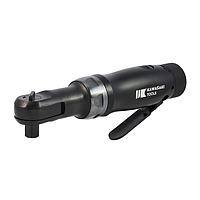
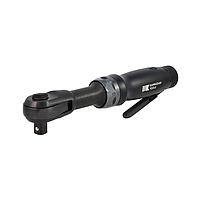
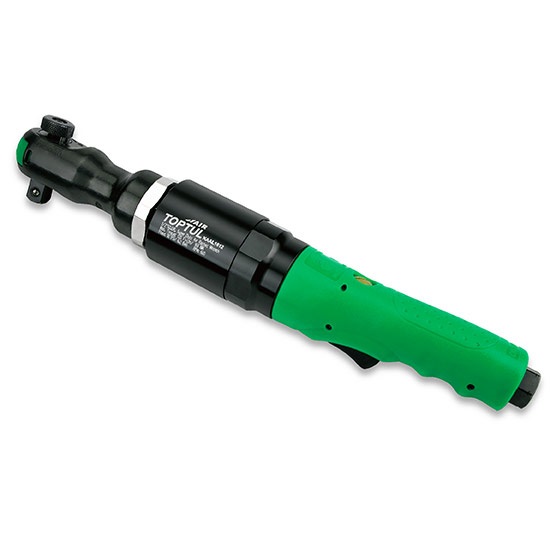
This category context also helps distinguish multipliers from compact air ratchet-style tools. For example, TOPTUL KAAL1612 and KAAL1610 are air impact ratchet wrench options for more moderate fastening work, while KAWASAKI KPT-6017 and KPT-6022 represent ratchet wrench formats used where access and handling are important. In contrast, pneumatic multipliers are chosen when the priority shifts toward high-output torque rather than compact ratcheting convenience.
When a pneumatic multiplier is a better choice than other air tools
If the job involves repeated work on large, tight, or safety-related bolted joints, a multiplier often offers a more appropriate solution than a standard ratchet or impact tool. The reason is simple: those tools are designed for speed and maneuverability, while a multiplier is intended to produce much higher torque through controlled mechanical advantage.
This becomes particularly relevant in maintenance environments where joint integrity matters and operators need predictable force delivery. If your work is more focused on surface preparation or material removal rather than fastening, categories such as air grinder tools would obviously be more suitable. The right pneumatic tool depends on the actual process step, not just the available air supply.
Practical buying considerations for B2B users
For procurement teams, maintenance departments, and industrial service contractors, tool selection should be based on operating conditions rather than headline torque alone. Check the required drive interface, available compressed air supply, access constraints around the joint, and how often the tool will be used during a shift or shutdown cycle.
It is also useful to standardize around a torque range that reflects the real fastener population in your plant or project. A well-matched pneumatic multiplier can improve workflow, reduce operator effort, and support more consistent bolting procedures, especially when compared with underpowered tools that struggle on larger joints.
Finding the right fit for heavy-duty bolting
This category is intended for users who need more than a conventional air fastening tool can provide. From mid-range heavy bolting to very high torque industrial applications, pneumatic multipliers help bridge the gap between standard pneumatic tools and specialized torque systems.
If you are reviewing options for maintenance, assembly, or site bolting work, focus on the required torque band, drive size, tool handling, and the nature of the joint itself. A carefully selected multiplier will usually deliver better productivity and a more suitable operating profile for demanding fastening tasks than forcing a lower-capacity tool to do a heavy-duty job.
Get exclusive volume discounts, bulk pricing updates, and new product alerts delivered directly to your inbox.
By subscribing, you agree to our Terms of Service and Privacy Policy.
Direct access to our certified experts