


Drill bits STANLEY
How to drill metal smoothly, avoid burning bits, and keep your tool durable
When drilling steel, stainless steel, or aluminum, the most common issues are the bit heating up quickly, burrs around the hole, or the drill losing power. These problems mostly occur because the bit does not match the material or the drilling speed is incorrect. Experienced technicians often rely on a few simple techniques that work with most bits on the market, from Bosch, Makita, and Stanley to common HSS types.
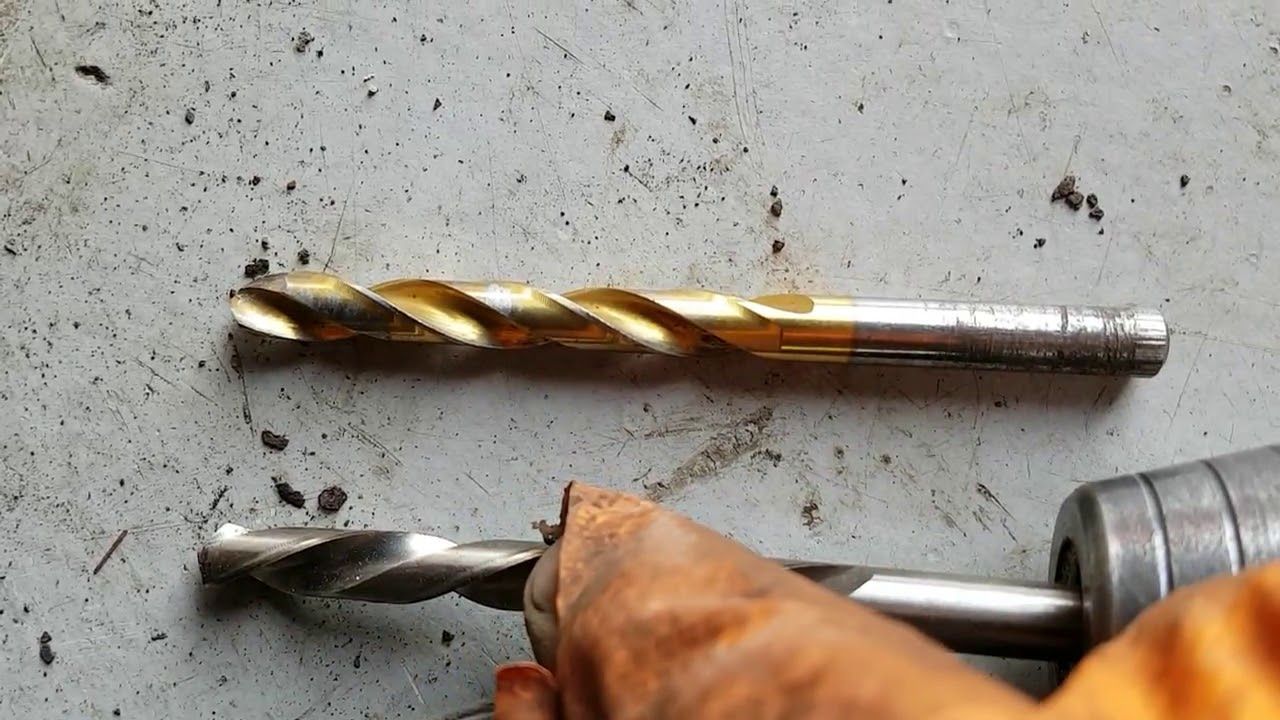
Drilling large holes without burning the bit
The larger the hole, the stronger the cutting force. That is why technicians usually make a pilot hole first and then enlarge it step by step. This reduces load significantly, especially when using cordless drills. If you start directly with a large bit, it is very easy for the bit to stall and generate excessive heat.
For diameters from ten to forty millimeters, step bits and hole enlarging bits work faster because they cut the material in stages or by a tapered shape. Aluminum is easy to handle, but with stainless steel and thick steel, applying cutting oil helps reduce heat. With just these two steps done properly, bits rarely burn out whether using cordless or corded drills.
Bit sets such as Bosch HSS-G, Makita D-72849, or Stanley HSS are all used in this same approach: start with a small pilot bit and increase the size gradually.
When to use an enlarging bit and when to use a regular bit
For small or medium holes, regular bits are the most convenient. They are sharp, easy to start on the surface, and maintain direction well. Home repairs, building frames, drilling roofing sheets, or installing equipment all rely on regular bits.
When drilling large holes or enlarging existing ones, enlarging bits are more suitable. Their tapered spiral design reduces friction significantly, the drill runs lighter and with less vibration, and the hole surface becomes smoother with almost no large chips. Because of these advantages, technicians often carry both types to handle different tasks.
Examples of enlarging bits and step bits in EMIN’s catalog include Makita step bits.
Which bits to prioritize when using a cordless drill
Cordless drills are weaker than corded ones, but they are stable and easy to control. When using a cordless drill for metal, choose bits that are light, sharp, and generate little heat. HSS bits with gold coating or anti-friction coating typically drill much smoother because they prevent the battery from heating up quickly.
One small note: cordless drills work best with thin to medium materials. When drilling thick steel or thick stainless steel continuously, bits dull very quickly. In such cases, HSS-Co bits should be used because they withstand high heat and are less prone to burning.
Choosing bits according to material to avoid breakage
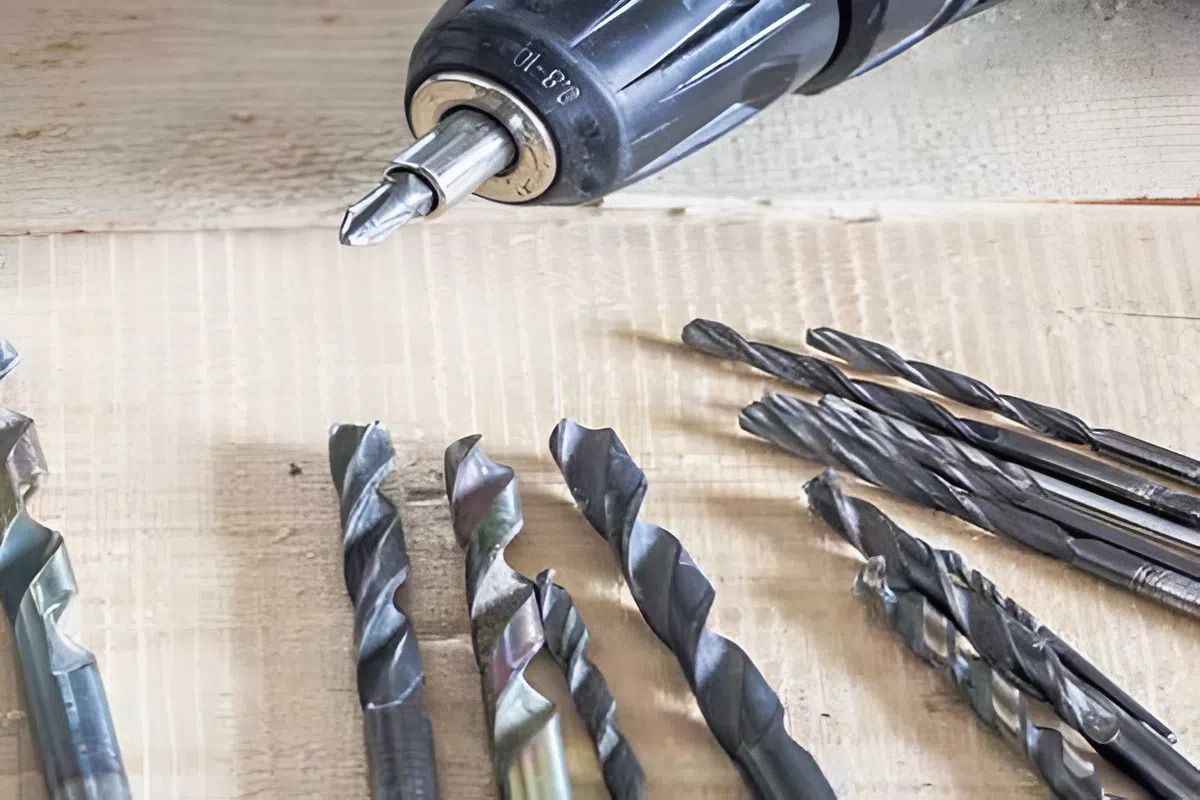
Common steel: HSS bits work well; moderate speed is enough to penetrate.
Stainless steel: HSS-Co bits are more durable because stainless steel retains heat strongly. If drilled with regular bits, the cutting edge will turn dark after only a few holes.
Aluminum and copper: chips are soft and sticky, so use bits with a large cutting angle to expel chips quickly. If chips coil up, the bit may stall easily.
Plastic: bits must be very sharp to avoid cracking or chipping the edges of the hole.
A simple rule to remember: the harder and hotter the material, the stronger and more heat-resistant the bit should be.
The drill bit catalog on EMIN includes HSS, HSS-G, HSS-Co, and step bits, suitable for most tasks in households, small workshops, or construction work.
-
-
-
-
-
-
-
-
-
-
-
-
-
-
-
-
-
-
-
-
-
-
-
-