Multi-function power tools
Versatility matters when one tool needs to handle cutting, grinding, shaping, mixing, trimming, or detail finishing across different job sites. In workshop maintenance, construction support, installation work, and general fabrication, multi-function power tools help reduce tool changes while giving operators better control over a wider range of tasks.
This category is suited to users who need compact, adaptable equipment for varied applications rather than a single-purpose tool for one repetitive operation. Depending on the accessory, speed range, and torque characteristics, these tools can support everything from surface preparation and material removal to mixing compounds and fine-detail work.
Where multi-function power tools fit in daily work
Many industrial and professional users face jobs that do not justify setting up large dedicated equipment. A compact multi-purpose tool can be useful for repair tasks, touch-up work, finishing operations, and site adjustments where mobility and quick setup are more important than maximum output.
These tools are commonly chosen when the work involves changing between materials, confined spaces, or variable levels of precision. In practice, that may include mixing construction compounds, trimming edges, smoothing surfaces, light material removal, or carrying out detail work that larger equipment cannot reach easily.
Typical tool roles in this category
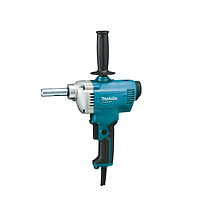
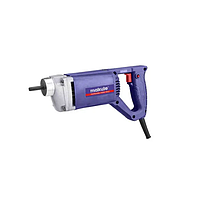
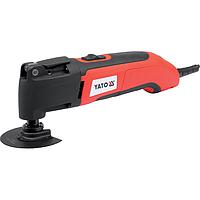
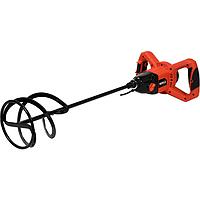
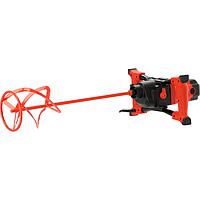
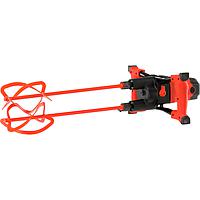
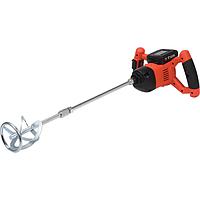
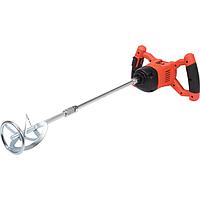
Although grouped under one category, multi-function power tools can serve very different roles. Some are designed for high-torque mixing, making them suitable for adhesives, mortar, plaster, or similar materials where stable rotation and handling control are important. Others are built for detail-oriented applications with high no-load speed and small accessory sizes for carving, polishing, deburring, or precision finishing.
This is why selection should focus on the intended job rather than the category label alone. A buyer comparing options here should look at operating speed, torque behavior, size, grip design, and accessory compatibility before deciding whether a tool is better suited to mixing, shaping, or fine surface work.
Featured examples from Milwaukee
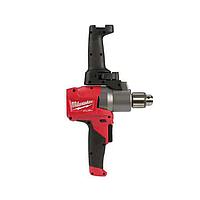
Within this category, Milwaukee (tool) offers examples that illustrate how broad the application range can be. The M18 FPMC-0 Fuel Mud Mixer With Chuck is positioned for mixing tasks, with strong torque output and a chuck-based setup that supports controlled blending of construction materials. Features such as the rotating auxiliary handle also point to a design focused on operator stability during heavier-duty use.
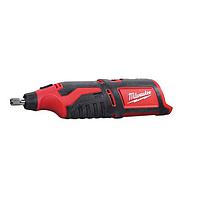
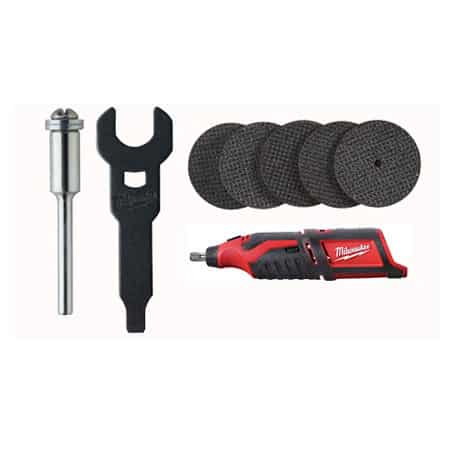
For lighter and more detailed work, the Milwaukee C12 RT-0 Compact Rotary Tool represents a different end of the spectrum. Its high speed range and multiple collet capacities make it relevant for precision-focused tasks such as grinding, edge refinement, cleaning, and small-part finishing. Together, these examples show that multi-function tools are not one narrow product type, but a practical equipment group covering both force-driven and detail-driven applications.
How to choose the right tool for the job
A practical starting point is to define whether the application needs torque, speed, or precision. For thicker materials or viscous compounds, torque and handle control usually matter more than compactness. For finishing, trimming, or small-area rework, a lighter body and higher rotational speed may be more useful than raw force.
Power platform is also an important buying factor. Battery-powered tools can improve portability and reduce setup time on active sites, but buyers should still consider runtime, tool weight with battery, and overall balance during extended use. Chuck or collet format matters as well, since it affects which accessories can be used and how easily a tool integrates into an existing workflow.
Where the task moves closer to hole-making or repetitive drilling, a dedicated drill machine may be a better fit. If the process depends on interchangeable cutting accessories, it is also worth reviewing related consumables such as drill bits to ensure the tooling setup matches the job requirement.
Key factors that affect usability and productivity
In real operating conditions, usability is often what separates an effective tool from one that spends most of its time on the shelf. Tool length, weight, grip position, and support handle design all influence control, especially during longer tasks or when the tool is used at awkward angles. A balanced tool can improve consistency and reduce fatigue during repetitive work.
Accessory compatibility is another major consideration. Multi-function tools only deliver full value when the available attachments match the work being performed. For users dealing with a mix of shaping, cutting, or surface preparation tasks, it is important to confirm that the tool accepts the accessory sizes and formats already used on site.
Application environments and buying considerations for B2B users
For purchasing teams, maintenance departments, and contractors, the main advantage of this category is flexibility. A well-selected multi-function tool can help reduce downtime when technicians need one portable solution for several minor operations. This can be especially useful in facility maintenance, interior fit-out, workshop support, and field service environments.
That said, flexible does not mean universal. Buyers should still match the tool to the dominant application, the frequency of use, and the operator skill level. When work becomes highly specialized, it may be more efficient to combine a multi-function tool with dedicated equipment such as an electromagnetic drill for demanding drilling jobs or other task-specific tools for heavy production use.
Choosing with confidence
This category is most useful for users who need adaptable performance across multiple light to medium-duty tasks, whether the priority is mixing materials, handling detailed finishing, or supporting maintenance work with portable equipment. Looking closely at torque, speed range, accessory interface, and handling design will usually lead to a better decision than comparing tool names alone.
By evaluating the actual workflow and selecting the right format for the application, buyers can use multi-function power tools more effectively as part of a practical, reliable tool ecosystem.
Get exclusive volume discounts, bulk pricing updates, and new product alerts delivered directly to your inbox.
By subscribing, you agree to our Terms of Service and Privacy Policy.
Direct access to our certified experts