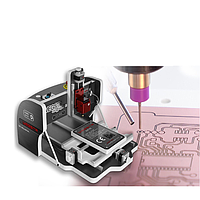
Quick circuit system
Hands-on electronics learning is much more effective when learners can build, modify, and test circuits quickly without spending too much time on complex setup. In laboratory classrooms, technical training centers, and research-oriented teaching environments, a Quick circuit system helps simplify circuit assembly so students can focus on understanding electrical principles, signal flow, and practical troubleshooting.
This category is suited to training applications where repeatable experiments, fast reconfiguration, and clear circuit visibility are important. It supports educational workflows in which instructors need structured practice tools for demonstrations, guided exercises, and introductory system-level experiments.
Why quick circuit systems are useful in technical education
In many teaching environments, learners need more than theoretical diagrams. They need a practical platform that allows them to connect components, observe circuit behavior, and make changes step by step. A quick circuit system supports this approach by reducing assembly time and making circuit structure easier to follow during lessons.
This is especially valuable in introductory and intermediate electronics training, where students are still developing confidence in wiring logic, measurement methods, and fault identification. Compared with less structured setups, these systems can improve lesson efficiency and help standardize experiments across multiple student groups.
Typical use cases in schools, labs, and training centers
This category fits a wide range of instructional settings, from vocational schools to engineering departments and industrial training programs. It can be used for basic circuit experiments, guided practical exercises, and trainer-based demonstrations where instructors want learners to interact directly with the circuit rather than only observing software simulation.
Quick circuit platforms are also relevant when training needs to connect theory with broader lab disciplines. For example, institutions building a complete teaching environment may also explore basic practice equipment for science education or specialized resources such as information technology training to support multidisciplinary programs.
What to consider when selecting a quick circuit system
Selection should begin with the training objective. Some users need a simple platform for teaching foundational concepts such as current paths, voltage relationships, and elementary switching logic. Others may be looking for a more flexible educational setup that supports repeated circuit changes during classroom instruction, practical examinations, or instructor-led demonstrations.
It is also helpful to consider the learning level, the frequency of use, and how the equipment fits into the wider teaching ecosystem. In structured training programs, a quick circuit system often works best when paired with clear lesson plans, instructor guidance, and complementary tools from related areas such as application training or domain-specific lab equipment.
Role within a broader training equipment ecosystem
A quick circuit system is rarely an isolated purchase. In practice, it is often part of a broader educational setup that may include measurement devices, training boards, demonstration kits, and subject-specific trainers. Its value comes from enabling fast circuit building while supporting the learning sequence from theory to implementation and verification.
For institutions developing practical engineering capability, this category can complement more specialized teaching areas. For instance, users building out technical education facilities may also review solutions for civil engineering training or other discipline-focused categories depending on curriculum scope and lab structure.
Representative product in this category
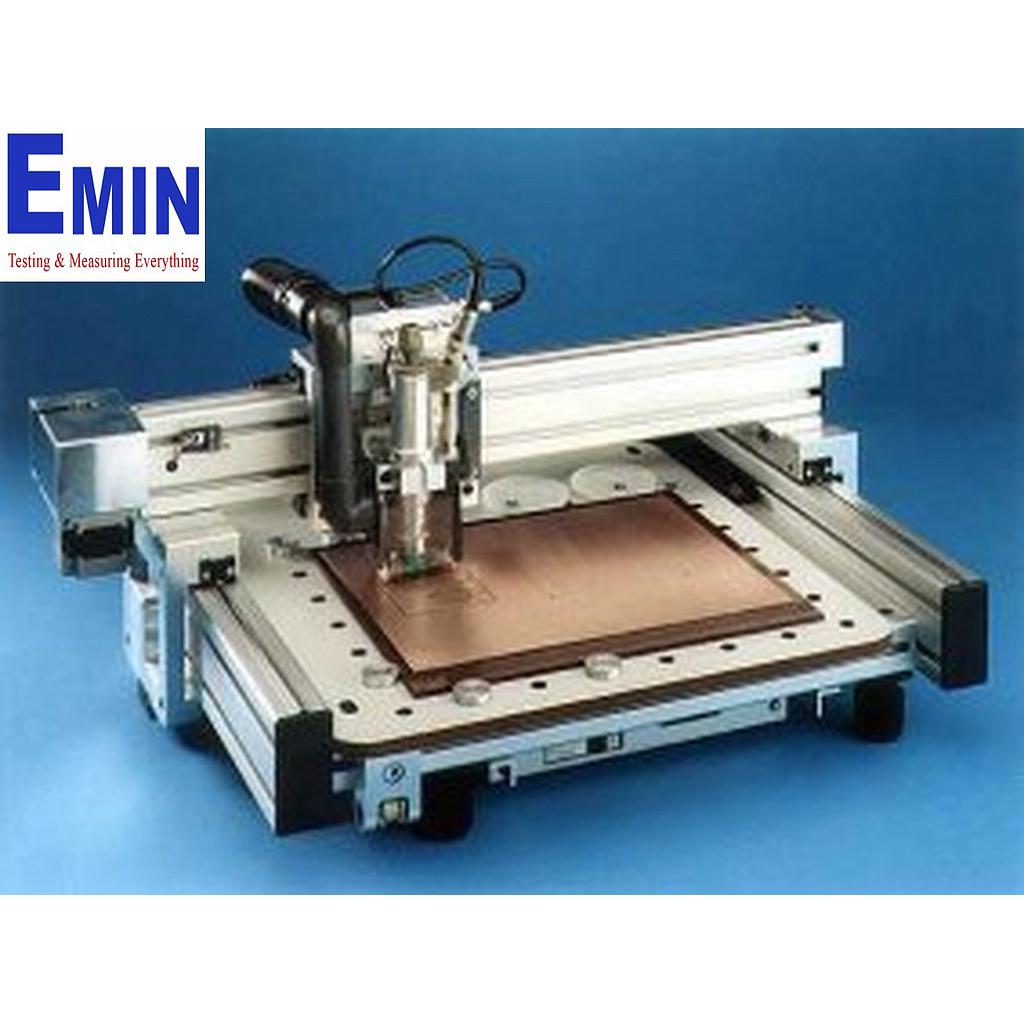
One example available in this category is the EMIN SP122-4 board, a product from EMIN. As indicated by its product type, it can be understood as part of an educational circuit-building environment where the board serves as a practical platform for training, circuit arrangement, or experiment support.
For buyers evaluating training equipment, products like this are typically considered in terms of classroom usability, suitability for repeated instruction, and compatibility with the intended teaching method. Rather than focusing only on the item itself, it is important to assess how well it supports the lesson structure, student interaction, and maintenance requirements over time.
Benefits for instructors and procurement teams
For instructors, the main advantage is improved lesson flow. A well-chosen quick circuit system can make practical demonstrations easier to organize and reduce time lost to complicated setup. This allows more classroom time for explanation, testing, and discussion of real circuit behavior.
For procurement teams and lab planners, the key factors are usually durability, training relevance, and fit with the institution’s curriculum. Educational buyers often need equipment that is easy to deploy, suitable for repeated student use, and aligned with both entry-level teaching and future lab expansion.
Choosing the right category for your training objective
Not every educational electronics requirement should be solved with the same type of training hardware. A quick circuit system is most relevant when the goal is to provide fast circuit configuration, visible wiring logic, and practical student interaction in a structured teaching environment. It is particularly useful where repeated exercises and hands-on learning are central to the course design.
If your program requires a flexible platform for building and testing instructional circuits, this category provides a practical starting point. Reviewing the intended subject matter, learner level, and related lab equipment will help you identify the most suitable solution for long-term educational use.
Get exclusive volume discounts, bulk pricing updates, and new product alerts delivered directly to your inbox.
By subscribing, you agree to our Terms of Service and Privacy Policy.
Direct access to our certified experts