Renewable Energy Training
Practical renewable energy education works best when learners can move beyond theory and interact with real circuits, conversion stages, and application examples. In technical schools, laboratories, and industrial training environments, dedicated training systems help instructors explain how solar, wind, and power conversion technologies behave under realistic operating conditions.
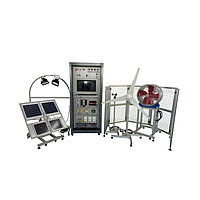
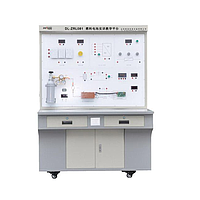
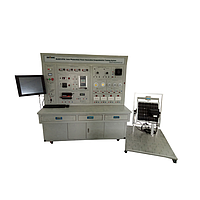
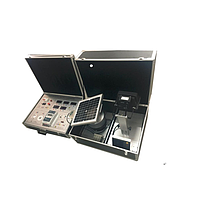
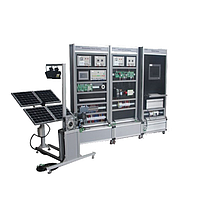
Renewable Energy Training equipment supports structured learning in areas such as energy harvesting, DC conversion, battery charging concepts, and application-level circuit design. For training centers that need hands-on platforms rather than purely academic explanations, this category brings together modular systems that make teaching easier and lab sessions more repeatable.
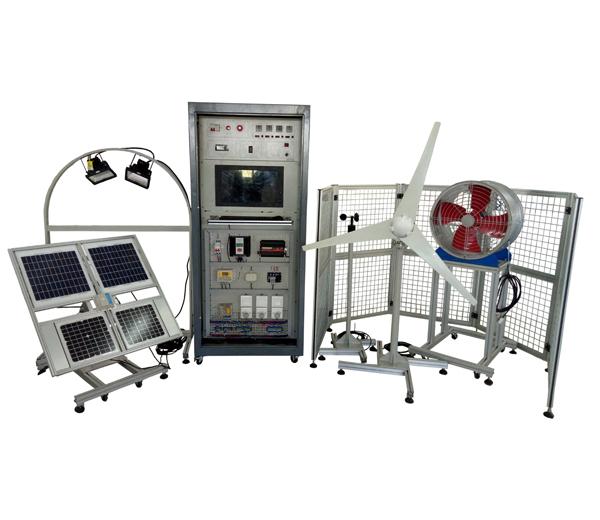
What this category is designed for
This category is intended for educational and technical training settings where renewable energy topics need to be demonstrated clearly and step by step. Instead of relying only on presentations or simulation software, trainers can use modular equipment to show how different stages of an energy system connect, from source generation to regulation and application circuits.
Typical users include vocational schools, engineering departments, research-oriented training labs, and industrial education programs. In many cases, these environments also need related platforms for broader application training, especially when renewable energy concepts are taught together with electronics, control, and system integration.
Core learning topics covered by renewable energy trainers
A strong training setup usually combines the fundamentals of generation with the electronics required to condition and use the available power. That is why this category is relevant not only for solar or wind demonstrations, but also for the study of power conversion, regulation, and practical application circuits.
Depending on the training objective, learners may work through subjects such as:
- Solar energy principles and application circuits
- Wind energy concepts and operating behavior
- Boost and buck converter functions
- Battery charger circuit basics
- Rectifier, regulator, inverter, and buck-boost circuit training
This makes the category useful for both introductory programs and more advanced technical courses where renewable generation must be linked to usable electrical output.
Representative training systems in this range
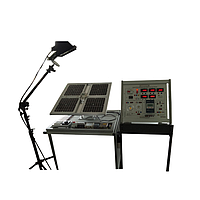
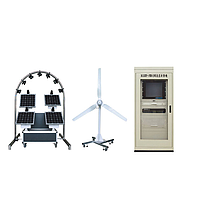
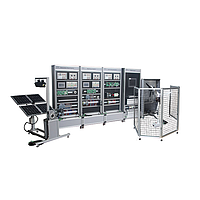
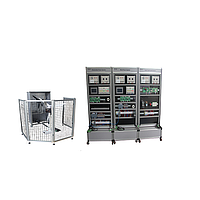
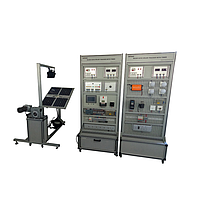
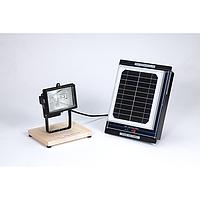
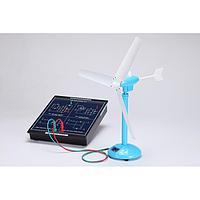
Among the featured products, ETEK provides modular platforms that fit well into laboratory-based instruction. The ETEK GE-5100A Solar Energy Kit (5 Modules) is suitable for teaching solar-related chapters in a structured format, while the ETEK GE-5100B Wind Energy Kit (5 Modules) supports lessons focused on wind energy concepts.
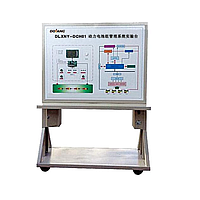
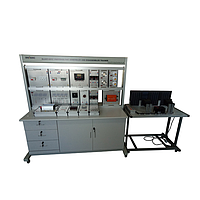
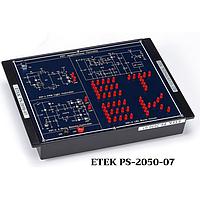
For programs that also need a deeper look at the electronics behind renewable energy systems, the ETEK PS-2050 Power Supply Circuits Trainer (7 Modules) adds important coverage of rectifier circuits, regulator DC circuits, inverter circuits, and DC-DC conversion. This is especially valuable because renewable energy education often depends on understanding not only generation, but also how energy is stabilized and delivered to the load.
The modular approach is a practical advantage in teaching. It allows instructors to separate topics into manageable chapters, reduce setup complexity, and build lessons progressively from fundamentals to application-oriented experiments.
How to choose the right training equipment
Selecting the right platform depends first on the learning outcome. If the main goal is to introduce renewable sources and their operating principles, a solar- or wind-focused trainer may be the most direct fit. If the course also includes downstream electronics, choosing a system that covers converters, charging, or inverter-related topics can create a more complete learning path.
It is also important to consider the level of the learners. Entry-level classes often benefit from clear, guided modules that emphasize visual understanding and repeatable lab exercises. More advanced groups may need equipment that supports comparison between circuit types and demonstrates how energy conversion stages affect overall system behavior.
Training labs that serve multiple departments sometimes combine renewable energy platforms with broader electronics and science resources. In those cases, complementary categories such as basic practice equipment may help support foundational teaching before learners move into specialized renewable energy experiments.
Why modular training platforms are useful in technical education
Renewable energy systems involve several linked concepts, including generation, conversion, storage, and application. A modular trainer helps break this complexity into teachable sections, so students can focus on one concept at a time without losing sight of the full system.
From an instructor perspective, modular training equipment can simplify lesson planning and improve consistency between classroom groups. Different modules can be introduced across multiple sessions, making it easier to align practical work with curriculum milestones, assessment criteria, and lab time constraints.
This approach also supports better troubleshooting habits. When students can isolate a rectifier stage, a regulator circuit, or a converter section, they develop a stronger understanding of cause and effect within electrical systems.
Fit for schools, labs, and workforce development
Renewable energy education is no longer limited to academic overview courses. Many institutions now need training tools that prepare students and technicians for hands-on work with modern electrical systems, including the interaction between renewable sources and conventional power electronics.
That is why this category can be relevant across vocational education, engineering programs, and technical workforce development. In multidisciplinary environments, renewable energy training may sit alongside areas such as information technology training when courses expand into monitoring, data acquisition, or system-level analysis.
For procurement teams, the key value is not simply acquiring equipment, but building a training environment that supports repeatable learning outcomes, practical demonstration, and a clearer bridge between theory and application.
Building a more complete renewable energy learning pathway
A well-planned training setup often combines source-specific study with supporting electronics education. Solar and wind modules help explain where energy comes from, while power supply and converter training helps learners understand how that energy is conditioned for practical use.
Within this category, the available systems illustrate that progression clearly. Training can begin with source-oriented topics, continue into charging and conversion circuits, and then move toward application-level understanding. This sequence is especially useful for institutions designing laboratory exercises that need both technical depth and teaching flexibility.
If you are comparing options for a teaching lab, focus on the topics your learners must actually practice, the level of circuit detail required, and how easily each platform can fit into your course structure. A suitable renewable energy trainer should make concepts easier to demonstrate, easier to repeat, and easier to connect to real engineering work.
Get exclusive volume discounts, bulk pricing updates, and new product alerts delivered directly to your inbox.
By subscribing, you agree to our Terms of Service and Privacy Policy.
Direct access to our certified experts