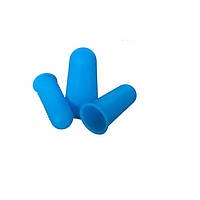
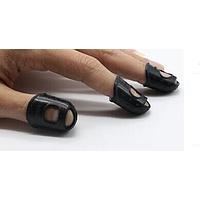
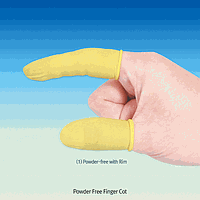
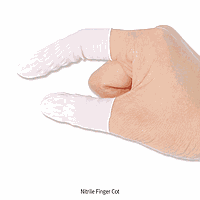
Finger Cots
Small handling tasks often create the biggest contamination and electrostatic risks. When operators touch delicate parts, lab vessels, or cleanroom-sensitive materials directly, even a brief contact can transfer oils, particles, or charge. Finger cots help reduce that risk while preserving fingertip dexterity for inspection, assembly, packaging, and laboratory work.
In controlled environments, finger protection is not only about personal comfort. It also supports cleaner handling of components and surfaces, especially when full-hand protection may feel excessive for fine work. This category brings together practical options for users who need a simple barrier for individual fingers without sacrificing precision.
Where finger cots are commonly used
Finger cots are widely used in electronics handling, cleanroom support tasks, laboratory workflows, and general light-duty industrial operations. They are especially useful when only one or two fingers need protection during gripping, transferring, sorting, or inspecting small items. This makes them a practical choice for tasks that demand more tactile feedback than many full gloves can provide.
They can also help reduce direct skin contact with parts that are sensitive to residue or light contamination. In many workplaces, finger cots are used alongside broader personal protection systems such as cleanroom gloves or dedicated apparel for static-sensitive areas, depending on process requirements and the level of control needed.
Key material and design differences
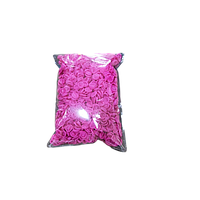
The most important differences in this category usually come down to material, fit, and cuff style. Based on the available products, users can choose from nitrile finger cots and powder-free alternatives designed for cleaner handling. Nitrile is often selected where users want a flexible protective barrier with a comfortable fit for repeated use in dry handling tasks.
Design details such as roll-type, rimless roll-type, and unroll-type can affect how quickly the cot is worn and how securely it stays in place during work. In practice, these differences matter when operators need fast replacement, consistent fit, or reduced interference while performing repetitive fine-motor tasks.
Choosing the right size and wearing style
A good fit is essential for usability. Finger cots that are too tight may reduce comfort during longer tasks, while oversized options can slip or reduce control. The products in this category include small, medium, and large sizes, which is helpful for matching the cot to the user and the intended finger.
For example, SciLab offers options such as the SciLab SL.Cot6531 Nitrile Finger Cots in small size, the SciLab SL.Cot6532 in medium, and the SciLab SL.Cot6533 in large. DaiHan also provides size-based choices such as the DH.Fin6001 and DH.Fin6002 roll-type models, as well as unroll-type versions like DH.Fin6006 and DH.Fin6007. When a process depends on steady grip and repeatable handling, selecting the correct size is usually just as important as choosing the right material.
Representative options from DaiHan and SciLab
This range features products from DaiHan and SciLab, two manufacturers included in this category context. Their listed models show a practical spread of finger cots for general controlled handling, including powder-free versions and nitrile types for users who need cleaner contact surfaces and straightforward daily use.
Examples include SciLab SL.Cot6552 Finger Cots, SciLab nitrile rimless roll-type variants, and DaiHan powder-free roll-type or unroll-type finger cots. Rather than treating every model as interchangeable, it is more useful to compare them by wearing style, size, and the handling environment in which they will be used. That approach usually leads to better consistency on the production floor or in the lab.
Finger cots within a broader cleanroom and ESD workflow
Finger cots are often one element in a larger contamination-control or static-control setup. In many facilities, operators combine fingertip protection with garments, headwear, or footwear suited to the working area. If your process involves broader operator coverage, related categories such as cleanroom coats and smocks or ESD shoes may also be relevant.
For some tasks, finger cots are enough to reduce direct contact at critical touch points. For others, they work best as a supplementary item used together with gloves or other protective wear. The right combination depends on whether your priority is dexterity, contamination control, electrostatic protection, or a balance of all three.
Related protective items for specific handling tasks
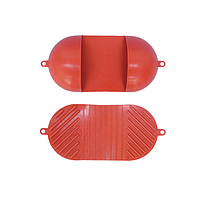
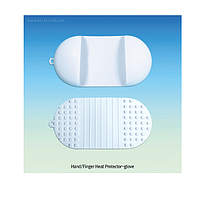
Some applications require more than basic fingertip coverage. This category context also includes related items such as the SciLab Az.PGR406 Finger Protector and the SciLab SL.Glo6011 / SL.Glo6012 hand and finger heat protector gloves. These products serve a different role from standard finger cots and are more aligned with handling hot or very cold laboratory vessels such as beakers, bottles, and flasks.
That distinction matters when selecting equipment. Standard finger cots are generally suited to light contact protection and cleaner handling, while specialized protectors and heat-resistant grip aids are better matched to thermal handling tasks. Choosing the right item starts with identifying the actual hazard and the degree of dexterity required.
What to consider before ordering
Before selecting a product, it helps to define the use case clearly: which finger will be covered, how long the cot will be worn, whether powder-free handling is preferred, and whether a roll-type or unroll-type design is easier for operators to use. These simple checks can prevent unnecessary waste and improve acceptance among users on the line.
It is also worth thinking about compatibility with the rest of your workflow. In lab and industrial purchasing, small consumables often have an outsized effect on process consistency. A well-matched finger cot can improve handling precision, reduce direct contact with sensitive items, and support cleaner day-to-day operations without adding unnecessary complexity.
Conclusion
For fine handling work in clean, controlled, or static-sensitive environments, finger cots offer a straightforward way to protect both the operator and the item being touched. With options from DaiHan and SciLab covering different sizes, materials, and wearing styles, this category supports a range of practical selection needs.
If you are comparing products for assembly, lab support, packaging, or inspection tasks, focus on fit, material, and the real handling conditions at the point of use. That usually leads to a more reliable choice than selecting by name alone, especially in workflows where consistency and dexterity matter every day.
Get exclusive volume discounts, bulk pricing updates, and new product alerts delivered directly to your inbox.
By subscribing, you agree to our Terms of Service and Privacy Policy.
Direct access to our certified experts