Gloves
Hand protection matters wherever contamination control, electrostatic discharge management, or routine industrial handling is part of the job. In cleanroom, electronics, laboratory, and production environments, the right glove choice helps balance operator safety, product protection, comfort, and process consistency.
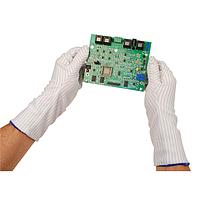
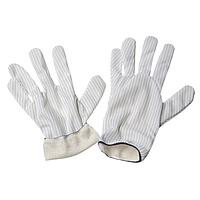
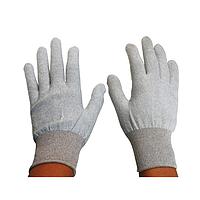
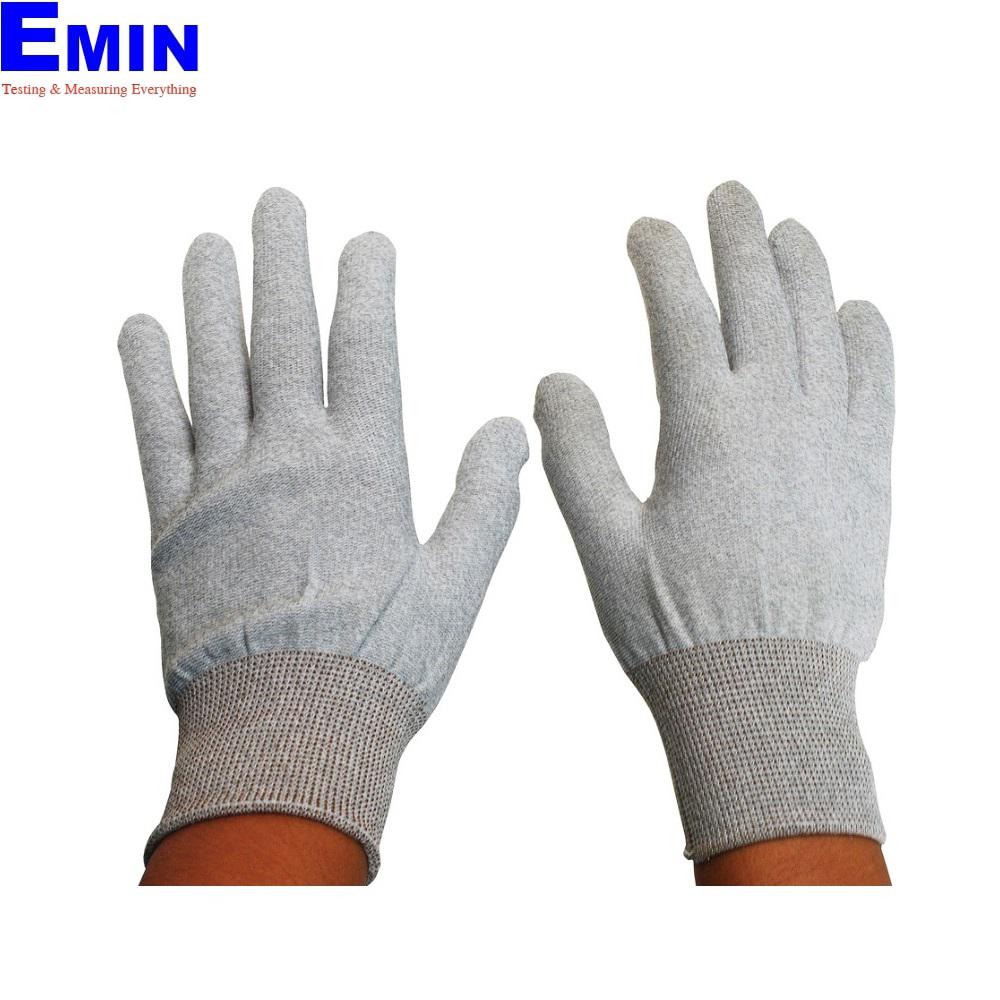
Gloves in this category are intended for anti-static, ESD, and cleanroom-related workflows, while also covering practical handling needs such as grip, coating type, fit, and material compatibility. Whether the priority is particle control, electrostatic performance, or day-to-day handling in assembly and maintenance, selecting the right glove type can make a noticeable difference in both quality and efficiency.
Where these gloves are commonly used
This product group is relevant across electronics assembly, semiconductor-related handling, laboratory work, clean manufacturing, packaging, inspection, and general industrial operations. In sensitive environments, gloves are not only a barrier for hands but also part of a broader contamination and ESD control approach.
For example, nitrile cleanroom gloves are often chosen where low contamination and reliable hand coverage are important, while coated work gloves may be more suitable for gripping parts, tools, or oily components. In facilities that require full operator preparation, gloves are typically used alongside cleanroom and ESD garments to support a more controlled working environment.
Different glove types in the category
The range shown here includes several practical glove styles rather than one single format. Cleanroom-oriented nitrile gloves are represented by products such as Thái Hòa Class 100 and Class 1000 variants, including electrostatic versions designed for environments where ESD awareness is part of the process. These are suitable examples for users who need disposable-style hand protection with attention to cleanliness and controlled use.
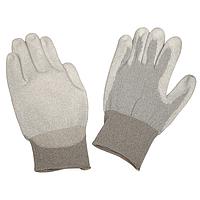
The category also includes coated gloves for handling tasks. Models such as Hand K9.3864L and K9.3865M use nylon fiber with nitrile foam palm coating, which points to applications where grip and oil resistance are useful. In addition, selected DaiHan gloves illustrate other use cases, including NBR-coated and NBR foam-coated options, as well as sterile powder-free surgical gloves for procedures where cleanliness and controlled packaging are essential.
How to choose the right glove for your process
A good starting point is to define the actual working condition. If the main concern is electrostatic sensitivity, look for gloves intended for ESD-sensitive handling or products explicitly described as electrostatic. If the focus is clean manufacturing, cleanroom class, glove material, length, and packaging format become more relevant. For routine mechanical handling, coating type, grip, abrasion behavior, and comfort over long shifts may matter more than cleanroom classification.
Fit is another practical factor that is often underestimated. A glove that is too loose can reduce dexterity, while a glove that is too tight may cause fatigue during repetitive work. Sizes and lengths in this category vary, so it is worth matching glove dimensions to the task, especially for fine assembly, inspection work, or operations that require stable fingertip control. In some processes, gloves are paired with finger cots for localized protection on especially delicate handling steps.
Materials and performance considerations
Nitrile is widely used when users need good chemical resistance characteristics, reduced risk of latex-related concerns, and dependable tactile performance for many industrial and clean handling tasks. Cleanroom nitrile gloves are commonly selected in electronics and controlled production because they combine flexibility with broad application suitability.
NBR or nitrile-based foam palm coatings are often preferred for handling parts where grip is important, especially in dry or lightly oily conditions. Latex sterile surgical gloves, on the other hand, are used in more controlled medical or laboratory procedure settings where sterility and powder-free design are important selection criteria. The right material should always be aligned with the real contact conditions, required dexterity, and any cleanliness or ESD requirements in the workflow.
Brands and product examples available in this range
This category can support different purchasing needs, from cleanroom consumables to practical handling gloves. Among the manufacturers relevant to this range, Thái Hòa appears with Class 100 and Class 1000 nitrile glove options, including electrostatic versions that are especially relevant for controlled electronics-related environments. These products are useful reference points when comparing glove classes and intended usage levels.
DaiHan is represented by several glove formats, including NBR-coated palm gloves, winter-use variants, and sterile powder-free surgical gloves. Hand products in the category add more examples for industrial gripping and oil-resistant handling. At the broader brand level, the catalog also highlights names such as Ansell, DuPont, ASONE, Desco, ANTISTAT, COSEI, and others, giving buyers a wider context when comparing glove ecosystems and procurement preferences.
Gloves as part of a complete ESD and cleanroom setup
In many facilities, gloves are only one part of the protective system. Performance depends not just on the glove itself, but on how it fits into gowning procedures, workstation controls, footwear, and operator behavior. For that reason, glove selection should be made in relation to the environment rather than in isolation.
If you are building a more complete operator setup, it may also be useful to review related categories such as ESD shoes or supporting headwear and apparel for cleaner and more consistent personnel control. This helps ensure that hand protection works together with the rest of the protective equipment instead of becoming a weak point in the process.
What buyers should compare before ordering
Before placing an order, it is helpful to compare the application type, material, coating, glove length, size, and whether the glove is intended for disposable clean handling or repeated industrial use. Buyers should also consider whether the environment requires electrostatic properties, sterility, powder-free construction, or improved grip for assembly and maintenance tasks.
For procurement teams, consistency across shifts and departments is just as important as technical suitability. Standardizing glove selection around the actual process can reduce handling errors, improve user acceptance, and simplify replenishment planning. Reviewing a few representative models in the category is often the most practical way to narrow down the right option.
Final notes
The right glove choice depends on what needs to be protected: the operator, the product, the process, or all three at once. This category brings together glove options for cleanroom, ESD-aware, laboratory, and industrial handling applications, making it easier to compare suitable formats in one place.
If you are evaluating options for contamination control, electrostatic handling, or routine production work, focus on the real operating conditions first, then match the glove material, fit, and intended use accordingly. That approach usually leads to a more reliable and cost-effective selection over time.
Get exclusive volume discounts, bulk pricing updates, and new product alerts delivered directly to your inbox.
By subscribing, you agree to our Terms of Service and Privacy Policy.
Direct access to our certified experts