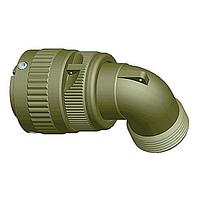
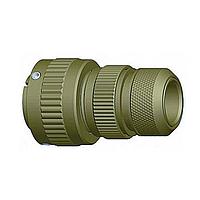
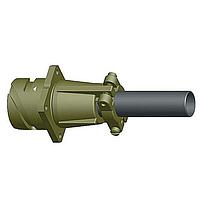
MIL Spec Circular Connectors
When equipment has to keep operating under vibration, repeated mating cycles, dust, moisture, or demanding field conditions, connector choice becomes a design decision rather than a simple parts selection. MIL Spec Circular Connectors are widely used in applications where secure mechanical coupling, consistent electrical contact, and durable cable termination matter across industrial and transport environments.
On this category page, buyers and engineers can review connector options used for robust interconnect systems, compare shell styles and contact arrangements, and narrow down parts based on installation method, pin or socket configuration, and cable-mount requirements. This makes the range especially relevant for OEM design, maintenance planning, and replacement sourcing in projects where reliability and compatibility are critical.
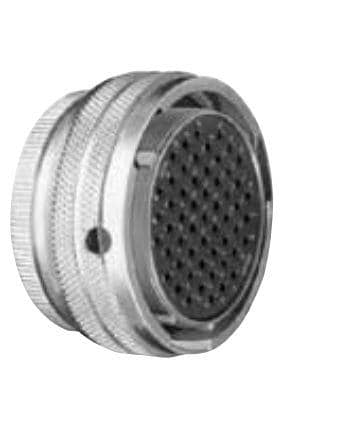
Where MIL spec circular connectors fit in real-world systems
These connectors are commonly selected for harnesses, control panels, mobile equipment, power distribution interfaces, and signal interconnect points that need a more ruggedized form factor than lighter-duty alternatives. Their circular geometry helps support compact routing, while threaded or otherwise secure coupling styles are often preferred in environments with movement or exposure to contaminants.
Within broader circular interconnect ecosystems, this category serves buyers looking for parts aligned with military-style interface expectations, but it is also relevant far beyond defense-related use. Industrial machinery, off-highway vehicles, transportation equipment, and harsh-environment electronics often rely on the same core advantages: mechanical durability, dependable contact retention, and repeatable field assembly.
What buyers usually evaluate before selecting a part
The first practical filter is the connector format itself: cable mount, straight termination, number of positions, and whether the design uses pin or socket contacts. For replacement work, matching the existing shell size, insert arrangement, and termination style is often just as important as electrical compatibility. For new designs, teams usually balance serviceability, sealing expectations, wiring density, and available installation space.
Another key factor is whether the connector is being used for power, signal, or mixed circuits. A 2-position part used in a compact cable assembly will be evaluated differently from a high-contact-count connector intended for more complex harnessing. If your application calls for a different industrial circular format, it may also be useful to compare nearby categories such as standard circular connectors or circular metric connectors depending on mating standards and panel constraints.
Representative products in this category
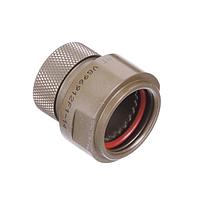
The listed range includes examples such as the Amphenol ACS06A16S-4PX-003-116, a 2-position industrial cylindrical connector with cable-mount and solder termination characteristics that can suit compact connection points where straightforward assembly is important. Other examples, including the Amphenol GTS01LCFZ32-13SW, illustrate how this category also covers higher-position configurations for denser interconnect needs.
Parts such as the Amphenol 97-3108A16-11SX-417, GTC06AF16-11S-B30-LC, and JTG06A-22-21S(411) show the breadth of circular connector families buyers may encounter when sourcing replacements or qualifying alternatives within the same rugged connector class. Rather than treating model numbers as interchangeable, it is important to confirm mating compatibility, contact gender, mounting style, and termination method before ordering.
Manufacturer coverage and sourcing context
This category is strongly associated with established connector suppliers that serve industrial and high-reliability markets. Amphenol is particularly prominent in the current range, with multiple product series represented across different shell formats and contact counts. Depending on project requirements, buyers may also compare solutions from manufacturers with broader connector portfolios such as 3M or AMP Connectors - TE Connectivity when evaluating ecosystem fit and existing platform standards.
For teams working across multiple harsh-environment interconnect types, manufacturer-level sourcing can help simplify qualification and procurement. In applications that mix circular, RF, or specialized industrial interfaces, related portfolios such as Amphenol Industrial can provide helpful context for standardization across cable assemblies, field wiring, and equipment interfaces.
How these connectors differ from other circular connector categories
Not every circular connector is intended for the same operating conditions or mechanical expectations. MIL-style circular connectors are generally chosen when the application places greater emphasis on rugged shells, secure coupling, and proven interconnect formats for demanding service conditions. In contrast, lighter circular families may be preferred where compact size, faster connection cycles, or application-specific interface standards take priority.
That distinction is why category-level comparison matters. For example, applications in instrumentation or compact electronic assemblies may lean toward circular push pull connectors, while legacy equipment or control systems might call for other circular standards. Understanding the operating environment first usually leads to a better connector decision than filtering by part number alone.
Practical selection tips for engineering and procurement teams
For replacement purchases, start with the original part marking and verify the full mating interface, not just the shell appearance. Similar-looking circular connectors can differ in keyways, insert layouts, contact gender, or termination details. If the connector is part of an installed harness, also check cable diameter, backshell expectations, and whether solder termination is appropriate for the service environment.
For new equipment design, define the electrical path and service conditions early. Consider the expected mating frequency, routing space, maintenance access, and whether field technicians need fast identification of pin count or orientation. A good shortlist should align both with the electrical design and with the realities of production, maintenance, and spare-part availability.
Why this category is useful for B2B purchasing
In B2B procurement, connector selection is rarely isolated from the rest of the system. Buyers may need to support prototype builds, scheduled maintenance, ongoing MRO demand, or lifecycle replacement across installed equipment. A focused category like this helps teams quickly identify rugged circular interconnect options without sorting through unrelated connector families.
It also supports more informed discussions between engineering, sourcing, and maintenance teams. Whether you are looking for a compact 2-position cable-mount connector or a higher-contact-count heavy-duty option, the category structure makes it easier to compare suitable parts, review manufacturer alignment, and move toward a connector that fits the application with fewer sourcing mistakes.
Final considerations
Choosing the right MIL-style circular connector comes down to matching the connector architecture to the working environment, the wiring scheme, and long-term service needs. The products in this category provide a practical starting point for teams that need durable circular interconnects for industrial, transport, and other rugged applications.
If you are narrowing down options, focus on mating compatibility, contact arrangement, termination style, and installation context before comparing model numbers. That approach will help you use this category more effectively and identify the connector that best fits your system requirements.
Get exclusive volume discounts, bulk pricing updates, and new product alerts delivered directly to your inbox.
By subscribing, you agree to our Terms of Service and Privacy Policy.
Direct access to our certified experts