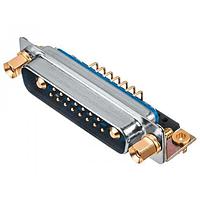
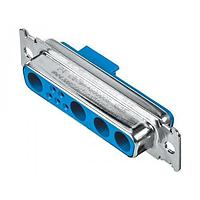
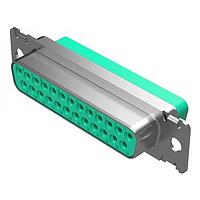
D-Sub Connectors
Reliable board-to-cable and cable-to-cable interconnection is still critical in industrial equipment, embedded systems, test setups, and legacy data interfaces. When a design calls for a compact, mechanically secure, and widely recognized connector format, D-Sub Connectors remain a practical choice across many electronic and electromechanical applications.
This category brings together D-shaped connector solutions used for signal transmission, equipment I/O, and interface continuity in systems where mating stability, pin count, mounting style, and termination method all matter. It is especially useful for engineers, buyers, and maintenance teams sourcing parts for new assemblies, replacement work, or interface upgrades around established hardware platforms.
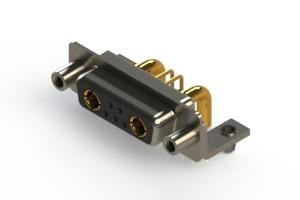
Where D-Sub connectors fit in real-world assemblies
D-Sub interfaces are commonly selected when designers need a connector family with familiar form factors, defined shell geometry, and broad compatibility across industrial and commercial devices. They are often found in control equipment, instrumentation, communications hardware, data systems, and service interfaces where repeated mating cycles and straightforward field replacement are important.
Within this category, buyers may encounter standard D-Sub layouts as well as SCSI-related and mini D ribbon style products. That makes the range relevant not only for conventional I/O connections, but also for equipment that uses higher contact density or application-specific D-shaped connector formats for storage, data, or peripheral connectivity.
Key selection points before choosing a part
The right connector is usually determined by a combination of pin count, mounting orientation, and termination style. Straight and right-angle versions support different PCB and enclosure layouts, while solder, solder lug, or through-hole termination options influence both assembly workflow and serviceability.
Electrical and environmental considerations also matter. Depending on the product, factors such as current rating, voltage capability, contact plating, and operating temperature range can affect suitability for a given design. Gold or gold-over-nickel contact finishes are often preferred where stable signal integrity and corrosion resistance are needed over time.
Mechanical fit should be checked just as carefully as electrical performance. Dimensions, port orientation, panel constraints, and mating compatibility with related accessories can all impact installation. In projects that also require strain relief or shielding support, it may be useful to review related options such as backshell components for D-Sub assemblies.
Examples from the available product range
Several products in this category illustrate the variety of formats available. The 3M 10236-52B2JL Connector SCSI is a right-angle 36-pole option with gold-finished contacts and solder termination, making it relevant for board-mounted designs where layout direction and dependable contact interface are both priorities.
For designs requiring a smaller pole count in a similar angled configuration, the 3M 10226-5212JL Connector SCSI offers a 26-pole right-angle format with solder connection. Another representative part, the 3M N10240-5212PC mini D ribbon receptacle, shows how this category extends into higher-density connector styles used in compact electronic equipment and data-oriented assemblies.
From Amphenol, the 5710360 Connector SCSI highlights a straight configuration with solder lug termination and a 36-pole layout. Its listed current, voltage, and service temperature data indicate why some D-Sub related products are chosen for more demanding installation conditions. Other examples such as the 5720500, 5730360, and U10-D038-201T broaden the available choices for engineers comparing interface geometry and integration needs.
Common configuration differences to compare
Even when two connectors look similar at first glance, their intended use can be quite different. A right-angle connector may be better for PCB space optimization, while a straight version can simplify cable exit direction or enclosure access. Pole count also changes not only signal capacity, but often shell size, mating hardware, and routing density.
Termination style deserves special attention during sourcing. Solder cup, solder lug, and through-hole configurations each support different assembly methods and maintenance expectations. In production environments, the preferred choice often depends on whether the connector will be hand-assembled, wave-soldered, or integrated into a cable harness.
It is also helpful to distinguish between the connector body and the surrounding ecosystem. Some projects will need not only the mating interface itself, but also individual D-Sub contacts or related accessories to complete the connection strategy properly.
Applications in industrial, service, and legacy systems
D-Sub connectors remain relevant because many installed systems continue to rely on proven physical interfaces rather than moving entirely to newer connector families. In industrial automation, lab equipment, and embedded electronics, they are often used where service technicians value recognizable form factors and secure mating hardware during troubleshooting or replacement.
They are also a common consideration in retrofit work. When replacing an interface on an older controller, test instrument, storage subsystem, or communications device, maintaining the original connector style can reduce redesign effort. In that context, this category supports both maintenance purchasing and design continuity for long-life equipment platforms.
Where interface conversion is required, related categories such as D-Sub adapters may also help bridge existing hardware with newer assemblies without a complete connector redesign.
How to narrow down the right option for procurement
For purchasing teams, the most efficient path is to start with the exact mating requirement and installation method. Confirm the number of positions, connector orientation, and whether the part will mount to a board, cable, or panel-linked assembly. Then review contact finish, temperature range, and any known mechanical constraints from the target equipment.
For engineering teams, it is worth checking how the connector fits into the full assembly chain. A technically correct part may still create issues if backshell compatibility, cable exit path, or service access has not been considered early. In mixed environments that include both standard and specialized D-shaped interfaces, comparing this category with broader interface adaptation options can also reduce integration risk.
Choosing with confidence
A good connector choice supports much more than electrical continuity. It affects assembly efficiency, field maintenance, enclosure layout, and long-term reliability in the finished system. That is why evaluating D-Sub products by configuration, termination, mechanical fit, and application context is more useful than selecting by part name alone.
Whether you are sourcing a classic board-mount connector, a SCSI-style interface, or a compact mini D ribbon format from manufacturers such as 3M and Amphenol, this category provides a focused starting point for comparing options that match real design and replacement requirements.
Get exclusive volume discounts, bulk pricing updates, and new product alerts delivered directly to your inbox.
By subscribing, you agree to our Terms of Service and Privacy Policy.
Direct access to our certified experts