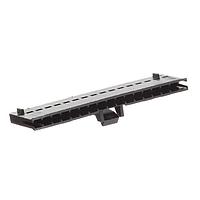
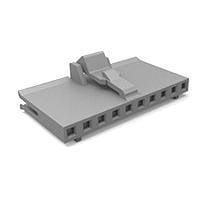
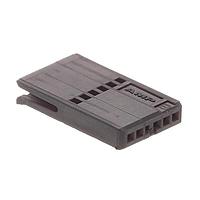
FFC, FPC (Flat Flexible) Connectors
Compact electronics often depend on interconnects that save space without sacrificing routing flexibility. In displays, cameras, handheld devices, industrial HMIs, embedded controllers, and compact PCBs, FFC, FPC (Flat Flexible) Connectors are widely used to create low-profile board-to-cable connections where traditional wire harnesses would be bulky or difficult to manage.
This category brings together connector solutions designed for flat flexible cable interfaces, helping engineers and buyers compare options for different circuit densities, mechanical layouts, and assembly requirements. Whether the priority is reducing connector height, simplifying internal cable routing, or supporting repeatable installation in volume production, these components play a practical role across many electronic designs.
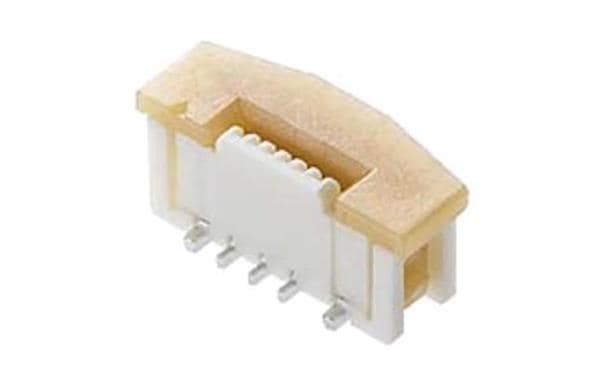
Where FFC and FPC connectors are typically used
Flat flexible interconnects are especially useful when a design needs to link two sections of an assembly through a thin, lightweight cable. Common applications include LCD modules, touch interfaces, printers, scanners, consumer devices, compact medical electronics, and control panels where space is limited and cable bending paths need to stay controlled.
In industrial and embedded systems, these connectors are also chosen to support modular assemblies, such as linking a main PCB to a display board or a user-interface module. Compared with bulkier alternatives, they can help reduce enclosure size and improve cable management in products where packaging efficiency matters.
What makes this connector category different
Unlike many general-purpose connector families, FFC and FPC products are built around thin cable formats and fine-pitch board connection requirements. That makes selection more sensitive to details such as mating orientation, cable type compatibility, locking method, and the mechanical environment of the finished product.
For buyers working across broader interconnect projects, it can also be useful to review related solutions such as cable assemblies when a pre-terminated option is more suitable, or contacts for applications centered on discrete wire termination rather than flat cable formats.
Key points to consider when selecting FFC/FPC connectors
The first step is matching the connector to the cable style used in the design. Engineers typically check conductor count, mechanical orientation, insertion style, and whether the application calls for repeated service access or mostly fixed installation after assembly. Low-profile equipment may prioritize compact geometry, while field-accessible assemblies may place more emphasis on ease of cable insertion and retention.
It is also important to consider the overall assembly process. In production environments, connector choice can affect placement, soldering, cable handling, and inspection. A suitable part should align not only with the electrical interface, but also with the expected manufacturing flow and the reliability requirements of the end product.
- Mechanical fit: board space, connector height, and cable routing direction
- Cable compatibility: alignment with the intended flat flexible or printed cable format
- Retention method: appropriate locking style for vibration, handling, and serviceability
- Application environment: expected assembly cycles, movement, and packaging constraints
Representative products in this category
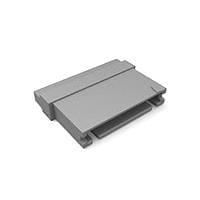
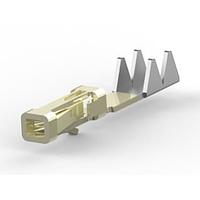
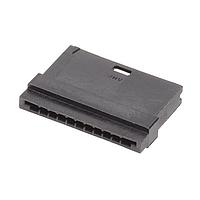
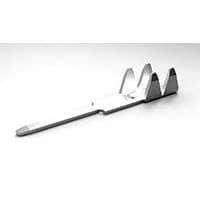
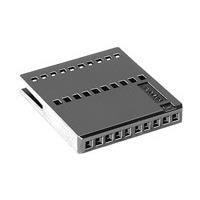
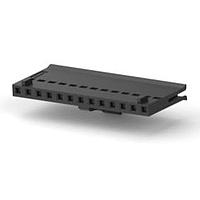
This category includes a range of connector options from Amphenol and ams OSRAM, with examples such as the Amphenol SFV26R-1STE1HLF Connector FFC-FPC, Amphenol F32Q-1A7H1-11055 Connector FFC-FPC, and ams OSRAM FFC1B06-35-G Connector FFC-FPC. These examples illustrate how the category supports different interconnect needs within compact electronic assemblies rather than serving only one narrow device type.
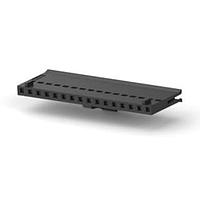
Other representative models in the range include Amphenol SLW6S-1C7LF Connector FFC-FPC, Amphenol SFW18S-2STE1LF Connector FFC-FPC, and Amphenol F32R-1A7H1-11023 Connector FFC-FPC. When reviewing these parts, the goal is not simply to compare model names, but to identify the mechanical and application fit that best matches the intended cable interface and PCB layout.
Leading manufacturers and sourcing context
Well-known interconnect suppliers appear throughout this category, including ams OSRAM, Amphenol, 3M, and AMP Connectors - TE Connectivity. Each manufacturer may support different design priorities, from compact consumer-style assemblies to more demanding embedded and industrial product integration.
For procurement teams, manufacturer consistency can matter for lifecycle planning, approved vendor strategies, and multi-project standardization. Reviewing a category by brand can help narrow the shortlist, but final selection should still be based on mating compatibility, assembly method, and the practical conditions of the finished equipment.
How FFC/FPC connectors fit into a broader connector ecosystem
These products are only one part of a larger interconnect strategy. A system may combine flat flexible interfaces for compact internal routing, more rugged cable terminations for power or I/O, and specialized connector types in test or service sections. In some designs, engineers may also work alongside categories such as keystone connectors or niche interface families depending on enclosure and service requirements.
Thinking at the system level helps avoid mismatches between connector technology and real operating conditions. FFC/FPC parts are often ideal where low profile and organized internal cable paths are important, but they should be chosen as part of the complete mechanical and electrical architecture rather than in isolation.
Practical buying guidance for engineers and B2B teams
For design engineers, the most efficient approach is to start with the cable and board constraints, then narrow the shortlist to connector families that support the intended assembly method. For purchasing teams, it is useful to confirm manufacturer preference, product availability, and fit with approved BOM structures before locking in a part for production.
If you are evaluating options for a new build or a replacement part, this category is best used as a focused source for comparing low-profile board-to-flat-cable connectors across recognized brands and application styles. A careful review of mechanical compatibility and installation needs will usually do more for long-term reliability than choosing solely on part familiarity.
Conclusion
Choosing the right FFC/FPC connector is mainly about achieving a dependable fit between the cable, the PCB, and the physical design of the equipment. With options from established manufacturers and a range of connector styles represented in this category, buyers can narrow their search around real application needs such as space saving, cable routing, and assembly practicality. That makes this category a useful starting point for compact electronic interconnect design without overcomplicating the selection process.
Get exclusive volume discounts, bulk pricing updates, and new product alerts delivered directly to your inbox.
By subscribing, you agree to our Terms of Service and Privacy Policy.
Direct access to our certified experts