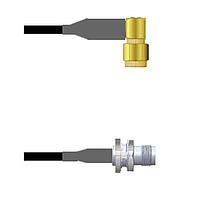
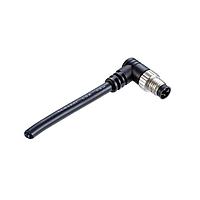
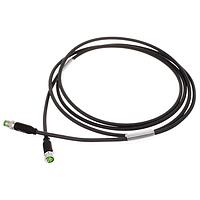
Wire & Cable
Reliable signal transmission starts long before a system is powered up. In control panels, test benches, industrial equipment, and embedded electronics, the right cable choice affects not only connectivity, but also noise resistance, mechanical durability, maintenance effort, and long-term system stability. That is why selecting Wire & Cable should be based on the real electrical and installation demands of the application rather than on part appearance alone.
This category brings together cable solutions used across electronic and industrial environments, where routing constraints, conductor design, insulation type, and termination compatibility all matter. Whether the goal is building new assemblies, replacing worn wiring, or standardizing interconnects across multiple devices, a clear understanding of cable roles helps reduce mismatch and rework.
Where wire and cable fit in an interconnect system
Wire and cable are the foundation of many connector-based systems. They provide the physical path for power, signal, data, grounding, and control lines between boards, modules, sensors, power supplies, and field devices. In practical terms, cable selection is rarely isolated; it usually sits alongside decisions about contacts, housings, mating interfaces, and assembly methods.
In B2B environments, the cable itself often has to satisfy multiple requirements at once. A design may need flexibility for routing in a compact enclosure, adequate insulation for the operating environment, and consistent conductor quality to support repeatable termination. This is especially important when cables are integrated into finished harnesses or used with cable assemblies for faster deployment.
Key considerations when choosing wire and cable
The most effective way to evaluate cable is to start with the application conditions. Engineers and buyers typically look at conductor size, number of conductors, shielding needs, voltage level, expected current load, bend requirements, and environmental exposure. These factors influence both electrical performance and installation practicality.
Another important point is compatibility with the intended termination method. Crimping, soldering, and modular termination each place different demands on strand construction and insulation dimensions. When cable must connect to panel interfaces or modular ports, it may also be useful to consider related components such as keystone connectors or specialized mating hardware to keep the full interconnect path consistent.
Common application needs in industrial and electronic environments
In industrial automation and equipment wiring, cable is often selected with durability and routing efficiency in mind. Installations may involve frequent movement, vibration, tight cable management spaces, or exposure to electrical noise from motors and switching devices. In these cases, choosing the proper conductor and insulation structure can help support reliable operation and easier maintenance over time.
For electronic development, prototyping, and instrument integration, cable may be used for lower-power signal paths, test connections, or board-to-device linking. Here, flexibility, manageable size, and clean termination are often more relevant than heavy-duty mechanical protection. The same category can therefore support a wide range of needs, from compact electronics work to more demanding industrial panel builds.
Understanding the difference between wire, cable, and related connection products
Although the terms are often used together, wire and cable do not always serve exactly the same purpose. A single conductor may be appropriate for straightforward internal wiring, while a multi-conductor cable can help organize several circuits in one jacketed structure. Shielded formats may be preferred where electromagnetic interference is a concern, while simpler constructions may be sufficient for short internal runs in controlled environments.
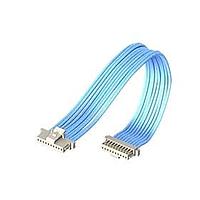
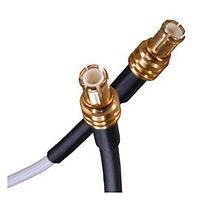
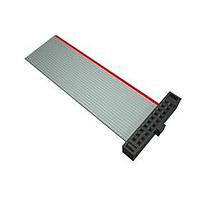
It is also useful to distinguish raw cable from finished connection products. If a project requires ready-to-install terminations, preconfigured leads, or standard interface formats, a finished assembly may be more efficient than sourcing loose cable and separate connectors. For temporary measurement setups or lab connections, related options such as banana and tip connectors may better match the application than general-purpose wire alone.
Manufacturer selection and sourcing context
Brand preference can matter when a purchasing team is trying to maintain consistency across builds or align with existing approved vendor lists. This category may be relevant to buyers working with interconnect ecosystems from suppliers such as Amphenol, TE-related connector platforms, or other established electronic component manufacturers listed on the site. In these cases, cable selection is often tied to connector families, termination tooling, and assembly practices already used in production.
At the same time, it is not always necessary to focus on brand first. For many procurement workflows, the starting point is application fit: conductor construction, mechanical handling, and compatibility with the target connector system. Once those needs are defined, manufacturer filtering becomes more meaningful and helps narrow sourcing options efficiently.
How to narrow down the right option for your project
A practical selection process begins with a few simple questions. Is the cable intended for power, signal, or mixed use? Will it be routed inside an enclosure, through a moving assembly, or across a longer external path? Does the installation require shielding, compact diameter, repeated flexing, or easier field replacement? These questions quickly reduce the risk of choosing a cable that works electrically but creates installation problems later.
It also helps to think ahead about the full lifecycle of the connection. In serviceable equipment, clear cable identification, manageable routing, and repeatable termination can be just as important as electrical rating. For OEM and maintenance teams alike, the right cable choice supports cleaner builds, more predictable troubleshooting, and better long-term supportability.
Why this category matters for B2B purchasing
For business buyers, wire and cable are not minor accessories. They affect assembly time, spare parts planning, repair workflows, and system reliability across many product types. A suitable selection can simplify procurement by reducing the need to adapt mismatched conductors or source additional interconnect parts after the fact.
Because requirements vary widely between equipment builds, panel wiring, prototyping, and service replacement, this category is best approached as part of a broader interconnect strategy. Looking at cable together with compatible contacts, connectors, and assembly methods makes it easier to build a solution that is electrically sound and practical to implement.
Choosing the right wire and cable is ultimately about matching the connection medium to the job it needs to do. By focusing on application conditions, termination compatibility, and the wider interconnect ecosystem, buyers and engineers can identify options that support reliable installation and smoother long-term operation.
Get exclusive volume discounts, bulk pricing updates, and new product alerts delivered directly to your inbox.
By subscribing, you agree to our Terms of Service and Privacy Policy.
Direct access to our certified experts