Relay Sockets & Hardware
In control panels, machine assemblies, and industrial wiring systems, small interface components often determine how quickly a relay can be installed, replaced, or serviced. Relay Sockets & Hardware help create a more reliable mechanical and electrical connection between relays and the surrounding system, while also supporting cleaner layout, easier maintenance, and safer field replacement.
For engineers, panel builders, and procurement teams, this category is typically less about a single part and more about selecting the right support components for the relay environment. The choice of socket style, mounting format, terminal arrangement, and associated hardware can affect assembly time, troubleshooting effort, and long-term serviceability across industrial and commercial applications.
Why relay sockets and hardware matter in practical installations
Relays are commonly used for switching, isolation, signaling, and interface control. A properly matched socket allows the relay to be installed without hardwiring directly to the relay body, which simplifies replacement and reduces downtime when maintenance is required. In many applications, this becomes especially valuable where control circuits must remain organized and accessible inside crowded enclosures.
Associated hardware also plays an important role in how the assembly performs over time. Mounting elements, retention features, and panel integration details can improve stability under vibration, support repeatable wiring practices, and help technicians work more efficiently during inspection or replacement cycles.
What is typically included in this category
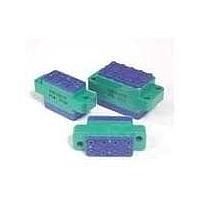
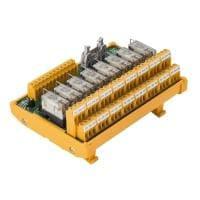
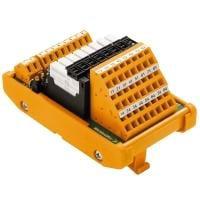
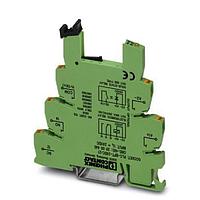
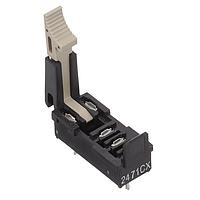
This category generally covers the components used to mount, secure, and connect relays within a broader electromechanical system. Depending on the application, that may include relay sockets for plug-in relay installation, as well as complementary hardware used to support mounting, organization, or mechanical retention.
In real-world panel design, these items are often selected alongside related enclosure and interface components. For example, teams planning a complete installation may also review mounting hardware for overall panel assembly or PCB circuit board hardware when relay interface elements must fit into board-level mechanical layouts.
Selection factors for engineers and buyers
The most important starting point is relay compatibility. The socket and hardware need to match the relay form factor and intended installation method. In procurement workflows, this usually means confirming the physical interface, terminal style, and how the part will be mounted in the final assembly. Even when relays appear similar, differences in footprint or connection arrangement can affect fit and usability.
Another key consideration is the installation environment. Panel density, expected maintenance frequency, vibration exposure, and wiring preferences all influence the right choice. In serviceable control systems, a socketed design can reduce replacement time and minimize wiring disturbance. In more compact builds, the available space and cable routing path may be just as important as the relay itself.
It is also useful to consider how the relay interface fits into the rest of the mechanical ecosystem. Applications that require operator interaction or frequent manual adjustment elsewhere in the assembly may involve adjacent hardware such as knobs and dials, making layout coordination important at the enclosure level.
Common application environments
Relay sockets & hardware are used across industrial automation, machine control, building systems, power distribution support circuits, and general-purpose control cabinets. They are especially useful where relays may need periodic replacement, where technicians benefit from clear wiring access, or where modular assembly practices are preferred.
They can also support better standardization in OEM equipment and maintenance operations. When relay replacement is part of normal service planning, socket-based installation helps streamline spare part handling and can reduce the risk of wiring errors during field intervention. This makes the category relevant not only for new builds, but also for retrofit and maintenance-driven purchasing.
Manufacturer options in this category
Buyers often look for hardware and interconnect solutions from established electromechanical brands with broad industrial support. Depending on the exact part type and system architecture, relevant manufacturers in this ecosystem may include AMP Connectors - TE Connectivity, Amphenol, Molex, Honeywell, Eaton, and Littelfuse. Each may be considered in projects where reliability, sourcing continuity, and integration with other panel components are important.
The right brand choice typically depends on compatibility, preferred connection standards, and the overall bill of materials rather than brand name alone. For technical B2B purchasing, availability, consistent part identification, and ease of integration are usually more important than broad marketing claims.
How relay hardware fits into a broader mechanical system
Relay-related interface parts are rarely chosen in isolation. They usually sit within a larger framework of panel and enclosure hardware, where spacing, fastening, protection, and service access all need to work together. That is why many engineering teams review this category alongside items such as racks and accessories or other hardware categories that support cabinet structure and equipment organization.
In some assemblies, even seemingly minor support components can improve long-term performance. Cable routing, spacing discipline, and physical stability around relay interfaces all contribute to better maintainability. As a result, choosing the correct socket and hardware can help reduce installation issues that would otherwise appear later during commissioning or service.
Buying considerations for B2B sourcing
For procurement teams, a good selection process starts with the application requirement rather than a generic part search. Verify the relay interface, mounting needs, and expected maintenance conditions first, then narrow the options based on mechanical fit and system compatibility. This helps avoid mismatches that can delay panel assembly or require redesign after parts arrive.
It is also practical to think in terms of lifecycle support. If the equipment will be deployed across multiple machines or sites, standardized relay socket and hardware choices can simplify stocking, replacement planning, and technician training. That approach is often more efficient than mixing different mounting and interface styles across otherwise similar systems.
Final thoughts
Choosing the right relay socket and supporting hardware is a small but important part of building serviceable, organized, and dependable control systems. When the mechanical interface is selected carefully, relay installation becomes cleaner, replacement is easier, and the surrounding wiring layout is easier to manage over the life of the equipment.
Whether you are specifying parts for a new control panel or maintaining existing assemblies, this category helps bridge the gap between the relay itself and the practical realities of installation. A well-matched solution supports both technical performance and day-to-day maintainability, which is exactly what many industrial B2B buyers need from electromechanical hardware.
Get exclusive volume discounts, bulk pricing updates, and new product alerts delivered directly to your inbox.
By subscribing, you agree to our Terms of Service and Privacy Policy.
Direct access to our certified experts