Storage Boxes & Cases
Protecting tools, small parts, test accessories, and field equipment is often just as important as selecting the right electrical or mechanical component. In industrial, maintenance, and technical workspaces, well-designed storage helps reduce damage, improve organization, and make transport between benches, panels, vehicles, and job sites more efficient.
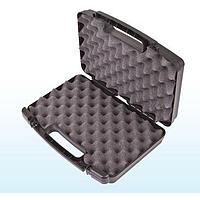
Storage Boxes & Cases in this hardware category support a wide range of practical needs, from safeguarding sensitive items during handling to keeping everyday supplies sorted and accessible. For purchasing teams, panel builders, technicians, and maintenance personnel, the right enclosure or carrying case can improve workflow, extend equipment life, and simplify inventory control.
Where storage boxes and cases fit in technical environments
In B2B and industrial settings, storage products are rarely just simple containers. They are part of a broader hardware ecosystem used to organize components, protect handheld tools, separate consumables, and support mobile service work. Whether the application involves assembly stations, field service kits, control cabinets, or maintenance departments, consistent storage reduces clutter and helps teams work faster.
These products are especially useful when small items need to be grouped by task, project, or equipment type. Labels, compartments, and durable construction can make a meaningful difference in environments where parts mix easily or where tools and accessories travel frequently between locations.
Common use cases for storage boxes and cases
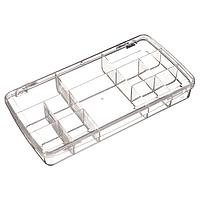
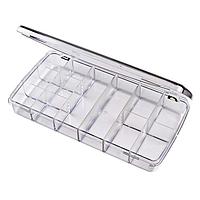
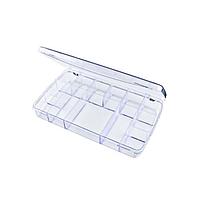
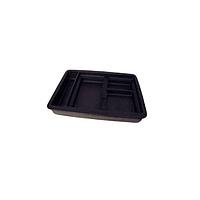
One of the most common applications is the organization of small electromechanical hardware and accessories. Installers and production teams may use cases to separate fasteners, terminals, hand tools, cable preparation items, or spare parts for service calls. This is particularly helpful when a task depends on having the correct item immediately available instead of searching through general inventory.
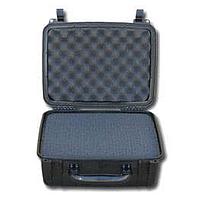
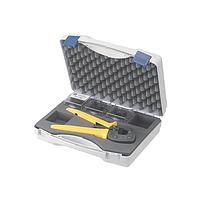
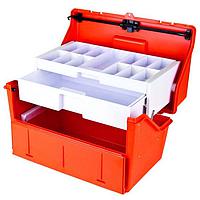
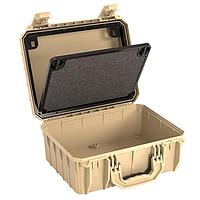
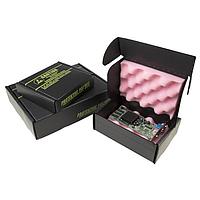
Storage solutions are also widely used for protecting equipment during transport. Technicians carrying measurement accessories, communication parts, connector components, or maintenance supplies often need a case that keeps contents stable and easier to retrieve on site. In workshop and bench environments, boxes can also serve as a simple method for keeping project-specific parts together between production steps.
What to consider when choosing the right option
The best choice depends on use case, handling conditions, and the type of contents being stored. If the box or case will remain on a workbench or in a stockroom, accessibility and internal organization may matter more than portability. If it will travel in service vehicles or be carried into the field, durability, closure security, and ease of transport become more important.
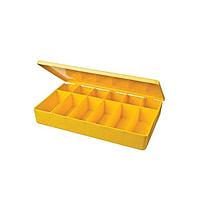
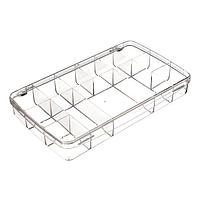
Buyers should also consider the size and nature of the stored items. Small loose parts may benefit from compartmented designs, while larger tools or mixed kits may require more open internal space. For applications involving delicate components or items that should not shift during transport, fit, internal protection, and general mechanical robustness should be reviewed carefully.
Material, durability, and day-to-day handling
In industrial use, storage products are exposed to repeated opening, closing, stacking, and movement. A well-suited case should hold up to routine handling without becoming a weak point in the workflow. Material choice affects impact resistance, weight, cleanability, and long-term wear, so it is worth matching the construction to the environment rather than choosing by dimensions alone.
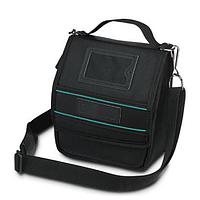
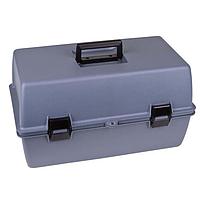
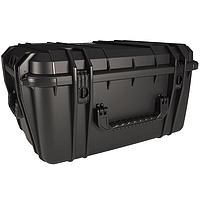
For stationary storage, a lighter-format box may be sufficient. For mobile technicians and maintenance teams, more durable case styles may be preferred to handle repeated transport and tougher working conditions. Practical details such as latches, hinges, carry features, and overall shape can influence how easy a product is to use over time.
How storage supports organization across related hardware categories
Storage boxes and cases are often used alongside other hardware items that need to stay sorted and protected. For example, teams managing assorted fasteners and support pieces may also work with mounting hardware that benefits from organized compartment storage. Keeping these parts separated by size or application can reduce assembly errors and speed up replenishment.
They are also useful for managing small tactile and interface-related parts such as knobs and dials, where mix-ups between similar items can create unnecessary delays. In rack-based or infrastructure-heavy environments, storage may complement broader physical organization strategies that include racks and accessories for larger equipment and support hardware.
Manufacturers commonly associated with industrial hardware solutions
This category sits within a broader industrial hardware landscape supported by established manufacturers such as Bud Industries, Eaton, HARTING, Molex, Panduit, PHOENIX CONTACT, Tripp Lite, and Weidmuller. These brands are widely recognized across electrical, enclosure, connectivity, and infrastructure applications, which is useful for buyers looking to standardize sourcing across related product groups.
Depending on the project, storage products may be selected as part of a larger procurement process that also includes panel hardware, cable management, connection systems, and protective accessories. For that reason, many buyers evaluate storage not in isolation, but as one element of an efficient maintenance, assembly, or field-service workflow.
Selection tips for procurement and engineering teams
For procurement teams, it helps to define whether the requirement is primarily for protection, transport, or organization. A box intended for internal stockroom use may be very different from a case meant for field deployment. Clarifying this early makes it easier to compare form factors and avoid overbuying or under-specifying the storage solution.
Engineering and maintenance teams should also think about how the storage unit will be used over time. Questions such as how often it will be moved, what items are stored together, and whether rapid access matters during service work can help narrow the right format. When storage aligns with actual workflow, teams usually gain better part visibility, fewer misplaced items, and smoother day-to-day operation.
Choosing storage that matches the job
A good storage solution supports more than simple containment. It helps protect equipment, keeps parts organized, and makes technical work more consistent across benches, stockrooms, and field environments. In many cases, the value comes from reducing avoidable delays and improving how tools, accessories, and hardware are handled every day.
When comparing options in this category, focus on the type of contents, handling conditions, and the level of organization required. That approach makes it easier to select storage boxes and cases that fit real industrial workflows and integrate naturally with the rest of your hardware and component strategy.
Get exclusive volume discounts, bulk pricing updates, and new product alerts delivered directly to your inbox.
By subscribing, you agree to our Terms of Service and Privacy Policy.
Direct access to our certified experts