Raspberry Pi Accessories
Building around a Raspberry Pi often goes beyond selecting the board itself. In real projects, the reliability of the final system depends just as much on the supporting hardware: power supplies, headers, cables, protective parts, prototyping boards, and enclosures that make integration easier in development, testing, and deployment.
Raspberry Pi Accessories cover that practical layer of the embedded ecosystem. Whether you are preparing a bench prototype, assembling a compact control node, or adapting a Pi for cabinet or DIN rail installation, the right accessories help reduce wiring issues, simplify assembly, and make the platform more suitable for long-term use.
Why accessories matter in embedded Raspberry Pi projects
A Raspberry Pi board is flexible, but it is rarely used alone in a professional environment. In many applications, engineers need stable power input, secure GPIO access, camera connectivity, display connection, and a mechanical housing that protects the electronics during operation. Accessories are what bridge the gap between a development board and a usable embedded system.
This is especially important when a Raspberry Pi is used in kiosks, lab setups, industrial monitoring, educational systems, or lightweight edge computing platforms. Compared with more integrated platforms such as embedded box computers, a Pi-based solution usually requires a more deliberate choice of supporting parts to achieve the desired level of usability and protection.
Typical accessory groups in this category
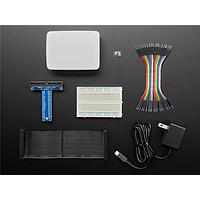
This category includes products that support installation, connection, prototyping, and physical protection. Some items are essential for first-time setup, while others are intended for custom builds or more specialized interfaces.
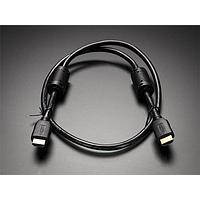
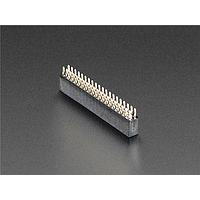
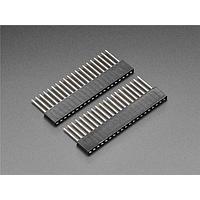
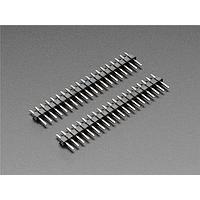
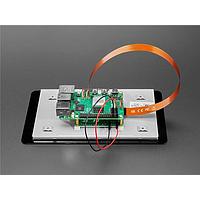
For example, the Raspberry Pi SC1411 official power supply provides the basic power foundation needed for stable operation. Connection accessories such as the SparkFun CAB-17386 Micro HDMI to HDMI-A cable support display setup, while GPIO-focused parts like the Adafruit 3413 GPIO Hammer Header and Adafruit 3662 Hammer Header Male make it easier to access or install headers without a conventional soldering workflow.
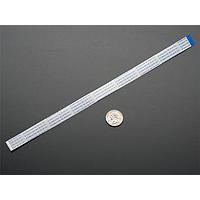
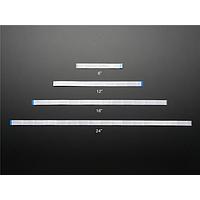
There are also build-oriented accessories designed for custom electronics around the board. The Adafruit 4353 Perma-Proto 40-pin Raspberry Pi half-size PCB kit is an example of a prototyping accessory that helps move from loose jumper wiring toward a cleaner, semi-permanent layout. For camera-based projects, the Adafruit 5211 Raspberry Pi Zero FPC camera cable supports more flexible camera placement in compact assemblies.
Mechanical integration and enclosure options
In many B2B and engineering contexts, mechanical packaging is just as important as electrical connection. A bare board may be acceptable during evaluation, but once the system moves into a panel, machine cabinet, or equipment rack, enclosure and mounting choices become critical.
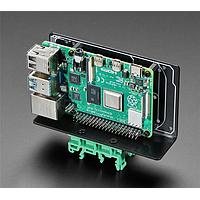
Products such as the Hammond Manufacturing 1597KIT4MPI3 enclosure kit for Raspberry Pi 3 and the Hammond Manufacturing 1597KITRBPI DIN rail box kit for Raspberry Pi B+ illustrate how accessories can support panel-ready integration. These types of solutions are useful when a Pi needs to be housed more securely, mounted in a structured environment, or adapted for installation practices common in control and automation settings.
If your application is evolving beyond an accessory-based board setup, it may also be worth comparing the Raspberry Pi ecosystem with computer on modules, where compute and carrier design are often approached differently for embedded product development.
Choosing the right accessories for your build
The best selection depends on how the Raspberry Pi will be used. For evaluation or education, practical setup items such as a power supply, display cable, and GPIO connection accessories are often the first priority. For custom electronics work, headers, shrouded connectors, and proto boards can make assembly cleaner and easier to maintain.
In more permanent deployments, consider three factors together: power integrity, mechanical protection, and interface access. A quality power supply helps avoid unstable behavior, while enclosure kits protect the board and improve mounting. Header and cable choices affect how easily the Pi can interface with sensors, displays, or expansion hardware without introducing unnecessary strain or connection errors.
Projects that rely heavily on external displays, HMI elements, or compact visualization hardware may also overlap with solutions found in panel PCs, depending on the level of integration required.
Examples of useful accessories in real workflows
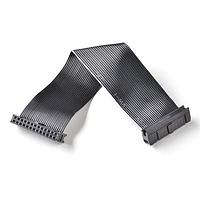
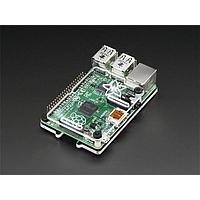
For rapid assembly, Adafruit offers several practical options within this category. The Adafruit 1993 shrouded 2x20 pin IDC box header helps organize GPIO connectivity in a more guided way, while the Adafruit 2281 Pi Protector for RasPi A+ and the Adafruit 2807 faceplate and buttons pack for 2.8 PiTFTs address protection and front-panel usability in specific builds.
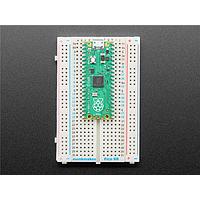
For users working with Raspberry Pi Pico learning or training environments alongside the broader Pi ecosystem, the Adafruit 5320 book on programming the Pico provides educational support rather than hardware integration. Although different from a cable or enclosure, it still fits the accessory ecosystem by helping teams and developers speed up adoption, prototyping, and internal learning.
Brand preference can also influence selection. Alongside official Raspberry Pi parts, many engineers choose accessories from suppliers such as Adafruit, Hammond Manufacturing, and SparkFun when they need practical add-ons for assembly, expansion, and bench development.
How accessories support a more reliable embedded platform
Accessory selection has a direct effect on maintainability. A poorly chosen power source, loose connection method, or improvised housing can create avoidable failures even when the compute board itself is functioning normally. In contrast, using purpose-fit accessories helps standardize installation, reduce setup time, and improve repeatability across multiple builds.
This becomes more valuable when Raspberry Pi is used as part of a wider embedded portfolio. Some teams may start with Pi-based prototyping and later move toward more dedicated hardware platforms, while others continue using Raspberry Pi in deployed systems with the right packaging and support components. In both cases, accessories are part of the practical engineering path from concept to usable device.
Finding the right fit for development and deployment
Not every project needs the same accessory set. A desktop evaluation kit may need only power, display, and GPIO access, while an installed system may require enclosure hardware, cable management, and more deliberate mechanical protection. Looking at the intended environment first usually leads to better choices than selecting parts one by one without a system view.
If you are sourcing for prototyping, educational labs, product development, or light industrial deployment, this category brings together the accessory types that make Raspberry Pi platforms easier to build, connect, and package. A balanced combination of power, connection, prototyping, and enclosure components will usually deliver a more practical and dependable result than the board alone.
Get exclusive volume discounts, bulk pricing updates, and new product alerts delivered directly to your inbox.
By subscribing, you agree to our Terms of Service and Privacy Policy.
Direct access to our certified experts