Displays
Choosing the right display hardware is rarely just about screen size or visual output. In industrial equipment, embedded systems, instrumentation, and operator interfaces, the display layer has to match the electrical design, control architecture, viewing requirements, and long-term product maintenance strategy. This is why a well-structured Displays category matters: it helps engineers, buyers, and system integrators compare not only end display devices, but also the supporting components that make them usable in real applications.
Within this category, you can explore display-related products used across control panels, HMI concepts, embedded devices, consumer-facing interfaces, and test systems. The range is relevant whether you are sourcing a finished display unit, evaluating a driver IC, or building a broader optoelectronic solution around image output and user interaction.
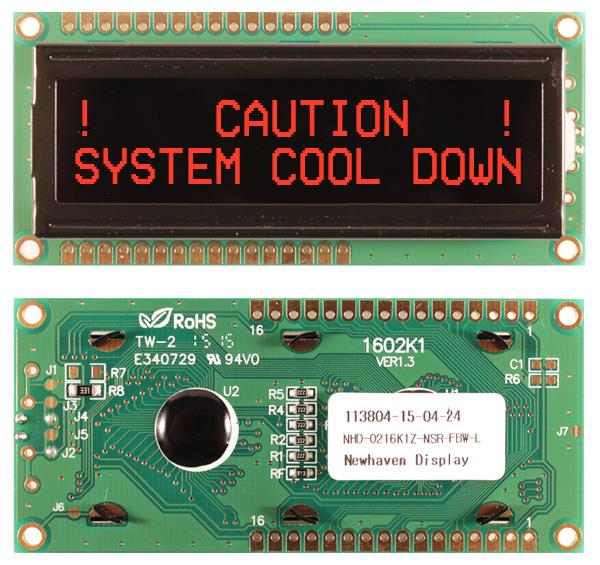
Where display products fit in modern electronic systems
Displays sit at the point where data becomes visible and actionable. In many systems, they provide status information, menus, measurement values, alerts, and user prompts. That makes them a key part of the interface between electronics and people, especially in industrial automation, medical devices, portable instruments, and smart equipment.
Depending on the application, the solution may involve a complete panel, a raw display element, or a dedicated driver IC that handles segment or matrix control. If your design also depends on visibility, light distribution, or panel illumination, related products in backlighting components can be an important part of the overall display architecture.
Understanding the scope of this category
This category covers a broader display ecosystem rather than a single product type. That includes complete display hardware as well as support devices used to drive and manage visual output. For procurement teams, this structure makes it easier to source parts at different integration levels, from display ICs to finished monitor-style products.
For example, some projects require a display-ready unit such as the 3M 98-0003-3598-8 22in LCD Monitor with touchscreen, which is more aligned with equipment interfaces or kiosk-style deployments. Other projects focus on electronic control at the component level, where parts such as the Analog Devices AD5807BCBZ-REEL7, AD8384ASVZ, or Allegro MicroSystems A6810SA are more relevant as display-driving elements inside the final product.
Display drivers and control electronics
A large part of display design happens behind the visible screen. Display drivers are used to generate, route, or amplify the signals needed to control segments, pixels, or display lines, depending on the panel technology. In embedded and industrial electronics, these devices help bridge the gap between logic-level control and the electrical behavior required by the display itself.
Among the representative products in this category are components from Analog Devices and Allegro MicroSystems. Examples include the Analog Devices AD8511ARU-REEL, AD8509ARU-REEL, AD8380JSZ, and the Allegro MicroSystems A6812KLWTR-T and A6818EEPTR. These parts are typically considered when designers need stable display control, integration with existing board-level electronics, or support for specialized display interface requirements.
In some designs, the distinction between LCD and adjacent display technologies also matters. For instance, the Allegro MicroSystems A6812ELW-T is identified as a VFD driver, which highlights how display control requirements can differ across technologies even when they serve similar front-end visualization goals.
How to choose display products for a project
Selection criteria should start with the application environment. A lab instrument, a factory HMI, and a commercial touch interface may all need very different display solutions. Resolution, screen format, readability, touch functionality, power constraints, operating temperature expectations, and control interface all influence whether a complete display, a module, or a driver IC is the better fit.
At the component level, engineers often review supply voltage compatibility, package style, channel or circuit requirements, and thermal limits. For example, some listed devices indicate operating conditions such as 5 V supply operation or elevated temperature capability, which may be relevant in embedded or automotive-adjacent designs. It is also important to confirm whether the display element and the driver are matched from both an electrical and system-architecture standpoint.
If your project is still at the panel-selection stage rather than the IC-selection stage, it may also be useful to compare options in display solutions alongside the underlying support electronics. This helps prevent mismatches between the chosen screen technology and the control circuitry required to run it effectively.
Typical applications across industry and embedded design
Industrial and embedded applications use display products in many different ways. Common examples include machine interfaces, measurement readouts, building controls, handheld analyzers, medical front panels, transport equipment, and diagnostic terminals. In these environments, the display is not only for presentation; it often supports decision-making, alarm handling, and daily operation.
Touch-enabled monitors such as the 3M unit in this category can be suitable where a human-facing interface is needed at the equipment level. By contrast, ICs such as the Analog Devices ADD8505WRUZ or AD8511ARUZ-REEL may be more relevant for OEM development, where the display subsystem is designed directly onto the PCB and tailored to the final device.
Display ecosystem considerations beyond the screen
Successful display integration often depends on more than the visible panel. Engineers may need to account for lighting, optical clarity, mounting depth, interface electronics, and adjacent sensing or imaging functions. In some systems, especially those involving machine vision, inspection, or user capture, display hardware works alongside products from cameras and accessories to create a complete visual workflow.
This broader view is especially useful in B2B sourcing. Rather than treating a display as an isolated component, buyers can evaluate whether the project needs a full display chain: panel, driver, backlighting, control logic, touch layer, and supporting interface hardware. That approach reduces redesign risk and supports more consistent product performance over time.
Representative manufacturers and product examples
This category includes products associated with established suppliers in electronics and optoelectronics. Analog Devices and Allegro MicroSystems are particularly visible in the driver portion of the range, while 3M appears in the example of a complete touchscreen monitor. The presence of multiple supplier types is useful because display projects often combine board-level semiconductors with finished interface hardware.
Representative examples include the Analog Devices AD5807BCBZ-REEL7, AD8384ASVZ, AD8380JSZ, AD8511ARU-REEL, and ADD8505WRUZ, as well as the Allegro MicroSystems A6810SA, A6812KLWTR-T, A6818EEPTR, and A6812ELW-T. These examples illustrate the breadth of the category without suggesting that one device fits every use case; selection should always be based on the target display technology, system design, and application constraints.
Finding the right fit for procurement and design
Whether you are sourcing a complete screen for operator interaction or a driver IC for an embedded board, the value of this category lies in its ability to support different stages of the product-development cycle. Design engineers can evaluate integration options, while purchasing teams can compare available display-related parts within a clearer technical context.
For projects where visual output is central to usability, reliability, or product differentiation, it is worth reviewing not only the display itself but also the electrical and mechanical requirements around it. A careful match between display technology, driver electronics, and application environment leads to a more dependable end system and a smoother path from prototype to production.
Get exclusive volume discounts, bulk pricing updates, and new product alerts delivered directly to your inbox.
By subscribing, you agree to our Terms of Service and Privacy Policy.
Direct access to our certified experts