Fiber Optic Testing
Reliable fiber links depend on more than cable quality alone. In installation, maintenance, and troubleshooting work, the right fiber optic testing tools help teams verify continuity, inspect connector quality, measure signal performance, and identify faults before they turn into costly downtime.
This category brings together practical test and inspection equipment used across telecom, industrial networks, data communication, and field service environments. Whether you are validating a new link, checking end-face condition, or confirming optical power levels, these tools support a more controlled and repeatable approach to fiber verification.
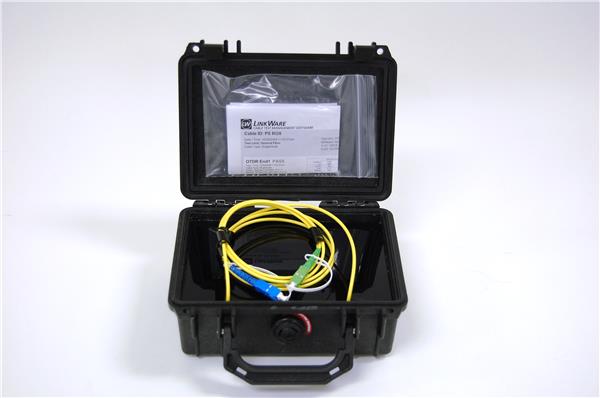
Where fiber optic testing fits in the workflow
Testing is usually performed at several stages of a fiber deployment. During installation, technicians may check basic continuity and connector condition. During commissioning, measurement tools help confirm that the link performs within expected limits. In ongoing maintenance, testing becomes essential for isolating faults, detecting signal loss, and confirming whether a problem comes from the cable path, connector interface, or attached equipment.
Because fiber systems can include cables, patching hardware, terminations, and transceivers, test work is rarely based on a single instrument. A complete workflow often involves inspection, light source or power measurement, cable verification, and in some cases accessories that support specialized procedures. This is why many buyers look at testing tools alongside related products such as fiber optic cable assemblies and interconnect hardware already used in the system.
Common types of tools in this category
The category includes a broad mix of devices and accessories rather than one single test format. Optical fiber cable testers are commonly used for basic verification and troubleshooting, while fiber checkers and inspection tools help identify visible issues at the connector or end-face level. Power meters and light sources are used together to assess signal transmission through a link, especially when repeatable loss measurement is important.
Some items serve more specialized roles in the broader testing ecosystem. For example, loopback tools can support port or network-side verification in high-speed optical environments, while service accessories for splicing or probe-based measurement help maintain the accuracy and usability of test setups. This mix is important for engineers and maintenance teams that need both routine diagnostics and targeted problem-solving tools.
Representative products and practical use cases
Several products in this category illustrate the range of applications. The Tripp Lite T020-001-PSF multi-function optical fiber cable tester is aligned with general-purpose testing needs, making it relevant when teams want one device for field checks and cable verification. For network-side validation, the Tripp Lite N844-LOOP-12F loopback fiber test solution supports applications where signal path confirmation is part of commissioning or troubleshooting.
For measurement tasks, Jonard Tools offers products such as the FLS-50 fiber optic light source, the FPM-50A fiber optic power meter, and the PON-55 passive optical network power meter. Together, these examples reflect how different test methods are used depending on whether the goal is general loss measurement, network verification, or work in PON environments. On the inspection side, the HARTING fiber checker and Eaton Souriau-Sunbank 80WL-0040A end-face inspection tool show the importance of visually confirming connector condition before assuming the fault lies deeper in the link.
Accessories also matter. The Belden FXFSTOSSD fusion splicer screwdriver is not a primary measuring instrument, but it plays a useful role in supporting splicing-related work. Likewise, the Teledyne Lecroy HVFO100-40X-TIP-U attenuating tip is an example of a specialized accessory that belongs in a testing workflow when fiber-optically isolated probe systems are involved.
How to choose the right fiber optic testing equipment
The best selection process starts with the job you need to complete. If your main requirement is field troubleshooting, a portable cable tester or fiber checker may be the logical first step. If you need quantitative confirmation of link performance, a combination of light source and power meter is typically more appropriate. For connector-related issues, inspection tools often provide immediate value because contamination or end-face damage can undermine the entire optical path.
It is also useful to think in terms of the full link architecture. Connector type, cable routing, network design, and maintenance practice all affect which tools are practical. Buyers working on systems built around specific terminations may also review related categories such as fiber optic connectors to ensure testing and inspection tools align with the interfaces already in use.
Manufacturer coverage and ecosystem compatibility
This category includes products from established suppliers used across industrial, networking, and electronic test environments. Brands such as Tripp Lite, Jonard Tools, Belden, HARTING, Teledyne Lecroy, Banner Engineering, and Eaton Souriau-Sunbank reflect the fact that fiber testing is not limited to one type of user. Some products are aimed at network verification, some at inspection and field service, and others at specialized measurement or accessory functions.
Compatibility should always be considered in context. A tool may be selected because it supports a particular testing method, connector format, optical network type, or maintenance process rather than because of brand preference alone. In B2B purchasing, this is especially important when test equipment must fit into an existing service workflow or support installed infrastructure without unnecessary retraining.
Testing, inspection, and supporting fiber infrastructure
In practice, testing tools work best when they are considered part of a larger fiber ecosystem. A clean measurement on paper does not help much if the cable assembly is damaged, the connector is contaminated, or attenuation in the link is outside the expected range. That is why engineers often evaluate test equipment together with cable components, interconnects, and passive optical elements used in the same application.
For projects that involve signal balancing or controlled optical loss, it may also be relevant to review fiber optic attenuators. Looking at the whole signal path can make troubleshooting faster and improve the consistency of acceptance testing, maintenance checks, and root-cause analysis.
What matters most for B2B buyers
For purchasing teams, the key question is usually not just which product to buy, but which tool set supports the intended workflow with the least friction. Portability, inspection capability, measurement purpose, accessory support, and fit with the installed network all affect the decision. A maintenance department may prioritize flexible handheld tools, while a production or lab environment may place more value on repeatability and compatibility with established test procedures.
Fiber inspection, signal verification, and loss measurement all serve different purposes, so selecting the right category of tool is often more important than comparing products only by name. Reviewing the task, the network type, and the level of diagnosis required will usually narrow the choice quickly and lead to a more useful shortlist.
Final considerations
When fiber links are critical to uptime, troubleshooting speed and measurement confidence become just as important as the physical cable itself. This selection of fiber optic testing products supports a wide range of tasks, from quick field checks to more structured inspection and optical measurement work.
If you are comparing options, start with the testing objective: continuity, inspection, optical power measurement, loopback verification, or support for specialized service tasks. That approach makes it easier to choose equipment that fits your application and integrates cleanly with the rest of your fiber infrastructure.
Get exclusive volume discounts, bulk pricing updates, and new product alerts delivered directly to your inbox.
By subscribing, you agree to our Terms of Service and Privacy Policy.
Direct access to our certified experts