LCD Drivers
Choosing the right driver IC is a key step in any display design where readability, power efficiency, and stable segment control matter. In embedded products, industrial interfaces, handheld equipment, and compact electronic modules, the driver stage helps translate logic-level control into the waveforms needed by the display itself.
LCD Drivers in this category support engineers and sourcing teams looking for components used to drive liquid crystal displays in a controlled and reliable way. Depending on the display architecture, the design may call for simple segment drive, higher-voltage output handling, or integration with a broader display control chain that also includes display controllers and drivers.
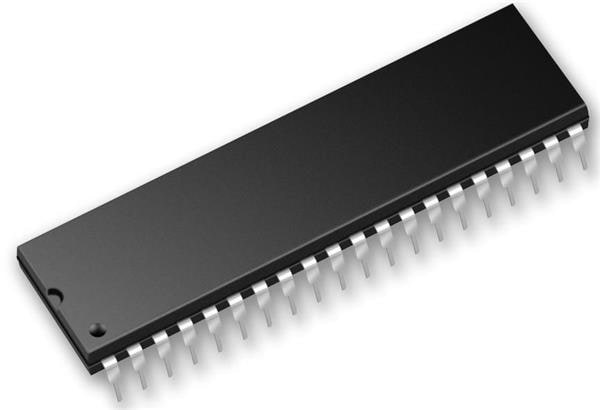
Where LCD driver ICs fit in a display system
An LCD panel does not operate like a simple LED indicator. It requires controlled drive signals that help maintain contrast and segment visibility while protecting the display from improper DC bias conditions. That is why the driver IC becomes an important interface between the host controller and the display glass.
In practical terms, these devices are selected based on the number of segments, voltage requirements, package constraints, operating temperature range, and the overall architecture of the product. Some designs use dedicated LCD driver parts, while others may involve related display-driver devices for specialized output stages or mixed display technologies.
Typical applications for LCD drivers
LCD driver components are commonly used in equipment where low power consumption, compact user interfaces, and clear status indication are important. Typical use cases include portable instruments, control panels, metering devices, consumer electronics, and industrial HMI assemblies with segmented or character-based displays.
Selection is especially important in products expected to run across wide environmental conditions. In this category context, several representative devices support industrial temperature operation, making them relevant for designs that need dependable display performance beyond benign indoor conditions.
Representative devices in this category
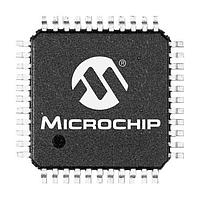
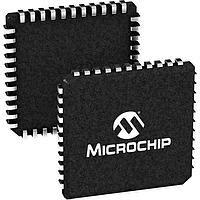
Several parts in the available range illustrate the breadth of display-driver options around LCD and adjacent display technologies. For example, the Microchip HV66PJ-G is identified as an LCD driver in a 44-pin package, which makes it relevant when the application needs a dedicated LCD-driving solution rather than a general-purpose logic interface alone.
Other listed devices such as the Microchip MIC4832YMM, HV518PJ-G-M903, and HV5812PJ-G-M904 are display-driver components that help show the broader ecosystem engineers often evaluate during display design. While not every project will use the same drive method or output structure, these examples reflect how packaging, output capability, and operating range influence component selection.
For projects involving electroluminescent backlighting or adjacent display subsystems, parts such as the HV823LG-G, HV825MG-G, HV833MG-G, HV850MG-G, HV857LMG-G, HV860K7-G, HV809SG-G, and HV816K6-G demonstrate how display support electronics may extend beyond the LCD glass itself. In many embedded products, LCD viewing performance is tied not only to the panel drive but also to the supporting illumination or interface circuitry.
How to choose an LCD driver for your design
A practical selection process starts with the display format. Engineers usually confirm segment count, multiplexing needs, supply constraints, and whether the design needs a dedicated LCD driver or a broader LED display driver or mixed display solution for other interface elements on the same board.
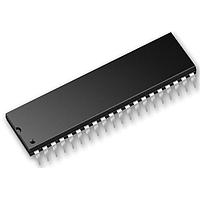
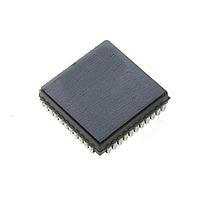
Package style is another important factor, particularly in space-constrained products. The components shown in this category context include compact MSOP, SOIC, QFN, PLCC, and PQFP formats, which can affect assembly method, thermal behavior, routing density, and serviceability. Temperature rating should also be reviewed carefully, especially for industrial equipment, outdoor devices, or systems mounted in enclosed control cabinets.
It is also helpful to check whether the display design includes backlighting or other optical elements. If the product requires current regulation for illumination rather than LCD segment drive alone, related categories such as LED lighting driver ICs may be relevant during system design.
Manufacturer coverage and sourcing context
This category includes parts associated with established semiconductor suppliers used in display and interface electronics. Among the manufacturers highlighted in the broader range are Microchip, Analog Devices, Maxim Integrated, Allegro MicroSystems, Epson, Fairchild, HITACHI, Intersil, Microchip Technology, and Murata.
From the product examples provided here, Microchip is especially visible across LCD, display-driver, and EL lamp driver references. For buyers and design teams, that kind of concentration can be useful when standardizing around familiar sourcing channels, qualification workflows, or package preferences across multiple product revisions.
Related driver categories worth reviewing
Not every project requirement is limited to LCD segment control. Some systems combine multiple display technologies or require a more specialized signal chain, especially in instrumentation, status indication, and compact operator panels.
When comparing alternatives, it can be useful to also review adjacent categories such as laser drivers for optical-output applications or other display-focused driver families where the interface, output stage, or load type differs from LCD operation. This broader view helps avoid selecting a part that matches the package or voltage target but not the actual display technology.
What matters most when comparing parts on this page
For technical evaluation, the most useful comparison points are usually display type support, operating voltage window, package format, temperature range, and how the device fits into the rest of the control architecture. A part that looks suitable at first glance may still be a poor fit if the waveform method, segment capacity, or supporting circuitry does not align with the display module.
That is why category-level review is valuable before narrowing down to a specific orderable part. By comparing dedicated LCD driver options alongside related display-driver devices, engineering teams can make more informed shortlists and reduce redesign risk later in the development cycle.
For display-focused electronics, the right driver choice depends on more than a matching footprint or supply rail. Reviewing the available LCD driver options in the context of display architecture, operating environment, and adjacent driver functions helps buyers and engineers move toward a component set that is technically appropriate and easier to integrate into the final product.
Get exclusive volume discounts, bulk pricing updates, and new product alerts delivered directly to your inbox.
By subscribing, you agree to our Terms of Service and Privacy Policy.
Direct access to our certified experts