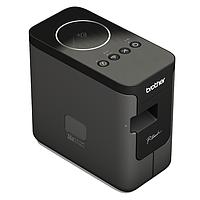
3D printer, UV, label printing
Choosing the right printing technology depends on what needs to be identified, marked, or produced in daily operations. In industrial offices, warehouses, laboratories, retail back rooms, and production environments, the requirement can range from simple label creation to networked media printing and specialized output for packaging, traceability, or prototyping. This category brings those needs together under 3D printer, UV, label printing, helping buyers compare equipment and consumables in a more practical way.
For many B2B users, the real challenge is not just finding a printer, but selecting a device that fits the workflow: desktop label creation, mobile labeling, barcode-ready output, wider-format labels, or a broader printing ecosystem. That is why this page is useful as a starting point for teams looking for printing hardware, compatible tapes, and related solutions from established manufacturers such as BROTHER, along with other recognized names in the category.
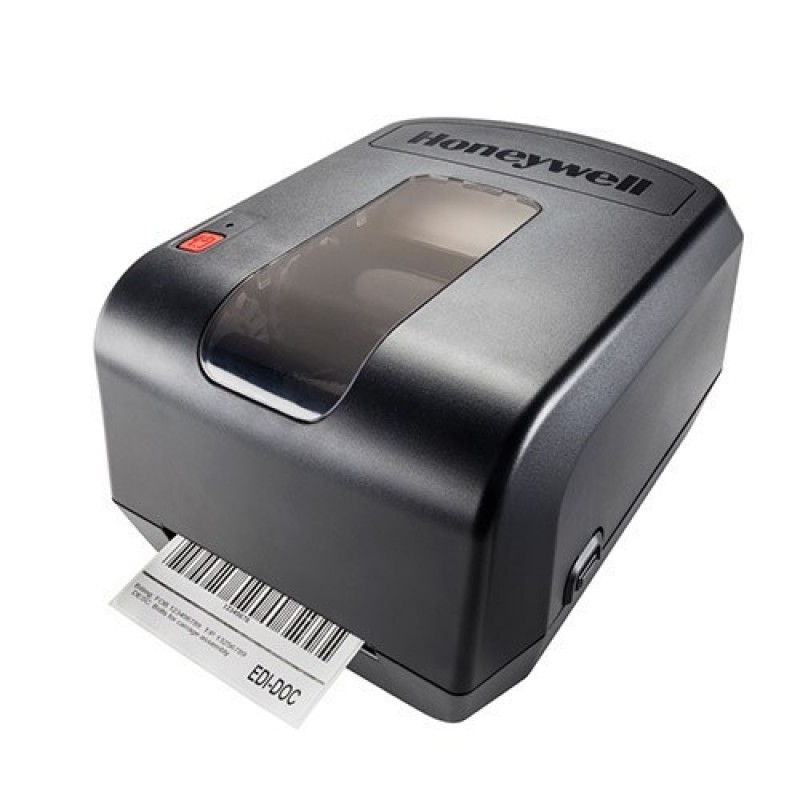
Where this category fits in real operations
This is not a narrow single-product page. It covers a broader printing ecosystem that supports product identification, cable marking, shelving labels, logistics labeling, administrative organization, and other application-specific output requirements. In many companies, these functions directly support inventory accuracy, maintenance work, shipping preparation, and internal standardization.
Within that ecosystem, label printing is often the most immediate need because it connects physical assets to readable information. In parallel, some buyers may also be reviewing adjacent tools such as a barcode scanner when building a complete identification and tracking setup.
Label printers for everyday business and technical use
A large part of demand in this category comes from label printers designed for clear, durable, on-demand marking. These machines are commonly used for file management, warehouse shelves, cables, panels, cartons, and product identification. Depending on the model, users may prefer standalone operation with a keyboard and display, PC connectivity, or smartphone-based printing.
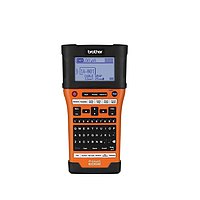
Examples in this range include the BROTHER PT-D460BT and BROTHER PT-D610BT, which are suitable for users who want portable or desktop label printing with support for multiple tape widths. For more compact smartphone-centered workflows, the BROTHER PT-P300BT P-touch Cube offers a convenient option where quick label creation and wireless operation matter more than a full onboard interface.
Consumables matter as much as the printer
When evaluating a labeling solution, buyers should look beyond the printer body and pay close attention to label media compatibility. Tape family, width range, color combination, adhesion characteristics, and application surface all affect whether the final label remains readable and durable in the real environment.
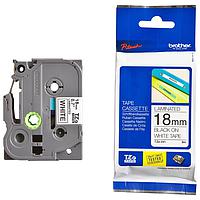
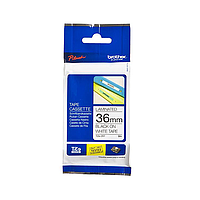
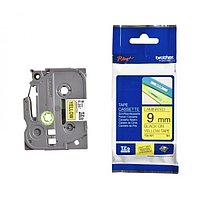
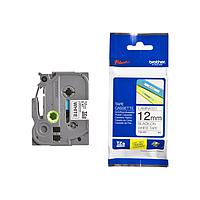
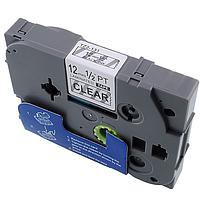
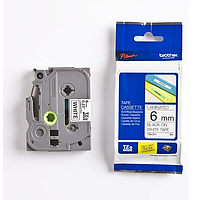
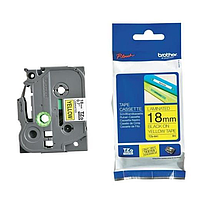
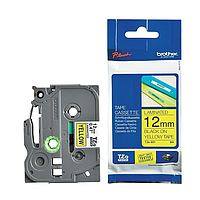
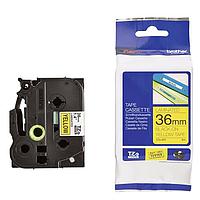
Several representative supplies in this category show how different media serve different tasks. Standard laminated tapes such as BROTHER TZE-241 or BROTHER TZE-211 are often suitable for general identification, while products such as BROTHER TZE-FX231 are better aligned with flexible ID applications, including curved or wrapped surfaces. Color-coded options like TZe-651, TZe-661, or TZE-FX631 can also help improve visual sorting in maintenance, storage, or facility labeling.
What to consider before selecting a printing solution
The most effective choice usually comes from matching the device to the process rather than focusing only on price or basic print resolution. Buyers should first clarify whether they need occasional office labeling, higher-volume shipping labels, mobile operation, or wider-format media. Connectivity is another key point, especially when multiple users need access through USB, Bluetooth, Wi-Fi, or Ethernet.
It is also important to think about media handling and output speed. A model with manual cutting may be perfectly adequate for lower-volume internal use, while automatic cutting and faster throughput can be more efficient for repetitive labeling. In environments where labels support inventory control or checkout operations, it may also make sense to review related equipment such as a POS machine or integrated identification hardware.
Representative products in this category
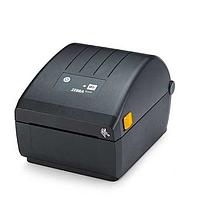
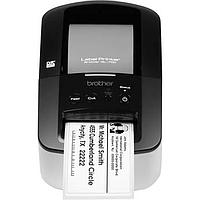
The listed products illustrate several practical segments of the category rather than one single use case. The BROTHER TD-2020 P-touch Label Maker supports direct transfer label applications and is relevant when users need broader formatting features or barcode-related output. The BROTHER QL-1110NWB is more aligned with connected label printing, where network access, mobile printing, and higher workflow convenience are priorities.
On the consumables side, tapes such as BROTHER TZE-241 Tape Black on White, BROTHER TZE-211 label, and BROTHER TZE-641 offer familiar labeling formats for everyday identification tasks. This combination of hardware and tape options is important because businesses typically need both the printer and the ongoing media supply to maintain a consistent labeling standard.
How manufacturers shape the buying decision
Brand selection often matters in B2B purchasing because it affects media availability, software familiarity, replacement planning, and long-term support. In this category, names such as BROTHER, Avery Dennison, Canon, CITIZEN, DYMO, Honeywell, and HP help frame the broader market landscape, even though the most visible sample products here are from BROTHER.
For many buyers, a trusted manufacturer also means easier standardization across departments. If one site already uses compatible label tapes, design software, or mobile printing workflows, extending that setup can reduce training time and simplify procurement. That is especially useful in organizations with maintenance teams, warehouse staff, and admin users all creating labels for different purposes.
Related systems and workflow integration
Printing equipment rarely works in isolation. In many environments, labels are part of a larger process that includes asset registration, stock movement, order handling, and field verification. That is why businesses often consider this category alongside tools such as handheld terminals, which support mobile data capture and on-site verification.
For organizations comparing different output technologies, this category can also sit within a broader evaluation of printing hardware beyond standard labels. Depending on the task, users may eventually move toward dedicated barcode, thermal, UV, or even additive manufacturing applications, but the basic selection logic remains the same: match the output method to the substrate, environment, and operating volume.
Finding the right fit for your application
The best choice usually starts with a clear definition of what is being printed, how often it is printed, and where the output will be used. A compact unit may be enough for office organization, while warehouse and operations teams may need faster production, broader connectivity, and more durable media options. Tape width support, print method, and ease of integration should all be reviewed together.
This printing category is therefore most useful as a comparison point for businesses that need practical, scalable solutions rather than a one-size-fits-all device. By reviewing printer type, compatible consumables, connectivity, and workflow requirements together, buyers can narrow down equipment more efficiently and choose a solution that remains useful as labeling and identification needs grow.
Get exclusive volume discounts, bulk pricing updates, and new product alerts delivered directly to your inbox.
By subscribing, you agree to our Terms of Service and Privacy Policy.
Direct access to our certified experts