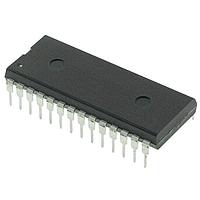
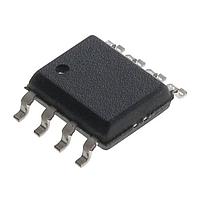
Filters
Signal quality, noise control, and frequency selectivity are critical in modern electronic design, especially where compact circuits must operate reliably in increasingly crowded electromagnetic environments. Choosing the right Filters can help engineers reduce interference, stabilize performance, and support cleaner signal paths across communication, power, and embedded systems.
On this category page, buyers and design teams can explore filter components used in a wide range of passive circuit applications. The selection fits naturally within broader passive component sourcing, while also connecting to adjacent needs such as antenna components and other supporting circuit elements.
Where filters fit in electronic systems
Filters are used to pass desired frequencies while attenuating unwanted signals, helping electronic equipment operate with better accuracy, lower noise, and improved electromagnetic compatibility. In practice, they may be applied in RF front ends, communication modules, display-related assemblies, interface lines, and mixed-signal boards where signal integrity matters.
Because this is a broad category, the available products may serve different roles rather than one single use case. Some filter parts are intended for frequency-selective RF paths, while others may be used as supporting elements in assemblies that require suppression, isolation, or cleaner electrical behavior at key points in the design.
Common selection considerations
When evaluating filter options, engineers typically begin with the operating frequency range, insertion loss, attenuation characteristics, and the type of signal that needs conditioning. Mechanical form factor, mounting method, and compatibility with the surrounding circuit are also important, particularly in dense PCB layouts or space-constrained commercial devices.
It is also useful to think about the filter as part of a wider component ecosystem. Performance often depends on how the part interacts with nearby capacitors, matching elements, and grounding strategy. For that reason, category-level sourcing can save time when comparing related passive components needed for the same design stage.
Examples available in this category
This category includes representative parts from established manufacturers. For example, 3M appears with multiple filter-related products such as BP140W1E, BP140W1B, BP135C3E, BP133W9E, BP125W9B, BP133W1E, BP133W1B, BP130C3E, HCNMS002, and PF24.0W. These examples show that the category supports sourcing for more than one implementation style and product family.
Another notable listing is the KEMET LF-350, which highlights the presence of filter solutions from manufacturers known across passive and electronic materials markets. For frequency-selective applications, the ams OSRAM RSF-2350.000-100000-1109-TR-NS2 example indicates that SAW filters are also part of the category landscape, giving buyers a starting point when looking for components used in higher-frequency signal paths.
Understanding different filter roles
Not all filters solve the same problem. In broad terms, some are chosen to clean up power or suppress unwanted electrical noise, while others are designed for precise signal selection in communication or sensing circuits. This distinction matters because the design criteria for an RF filter are very different from those for a general-purpose suppression or display-related filtering component.
For buyers working across multiple product lines, it can help to separate requirements by function: EMI reduction, frequency selection, interface conditioning, or application-specific signal management. That approach makes it easier to narrow down the right device family before moving into detailed part comparison.
Manufacturer context and sourcing flexibility
The category brings together products associated with recognized names such as 3M, ams OSRAM, and KEMET, with additional manufacturer context available across the wider catalog. This matters in B2B procurement because sourcing decisions are often influenced not only by electrical fit, but also by approved vendor lists, lifecycle considerations, and the need to standardize across programs.
Where filter performance must align with surrounding passive networks, it may also be useful to review related categories such as inductors and resistive elements used in matching, damping, or bias structures. A broader view can reduce redesign risk and support more consistent BOM planning across engineering and purchasing teams.
How to compare products on this page
A practical comparison process starts with application intent. If the design is frequency-sensitive, look first at the filter technology and the expected signal path. If the goal is suppression or integration into a larger assembly, focus on the physical format, installation constraints, and how the part interacts with the surrounding subsystem.
It is also worth checking whether the item is a standalone signal-conditioning component or part of a broader implementation context. Product names such as KEMET LF-350, 3M PF24.0W, or ams OSRAM RSF-2350.000-100000-1109-TR-NS2 can serve as useful reference points during initial shortlisting, but final selection should always be tied to the actual electrical and mechanical requirements of the target design.
Supporting design and procurement decisions
For engineering teams, a well-structured filter category helps speed up early-stage research by grouping relevant options in one place. For procurement teams, it supports comparison across brands and product lines without losing sight of application fit. That combination is especially valuable in B2B environments where lead time, approved sourcing channels, and technical compatibility all matter at the same time.
As projects move from concept to volume production, having access to a broad range of passive filtering solutions can simplify supplier coordination and reduce time spent searching across disconnected product pages. Whether the requirement is for SAW-based frequency selection or another filter role within the passive component chain, this category provides a practical starting point for specification-driven sourcing.
In short, this Filters category is designed to support both technical evaluation and purchasing efficiency. By comparing function, form factor, and manufacturer fit together, teams can identify components that make sense not only on paper, but also in the real-world context of design integration, qualification, and supply continuity.
Get exclusive volume discounts, bulk pricing updates, and new product alerts delivered directly to your inbox.
By subscribing, you agree to our Terms of Service and Privacy Policy.
Direct access to our certified experts