NonIsolated DC/DC Converters
When a design already shares a common ground and does not require galvanic isolation, a more compact and efficient power stage is often the better choice. NonIsolated DC/DC Converters are widely used for point-of-load regulation, intermediate bus conversion, and local voltage step-down inside industrial equipment, embedded systems, telecom hardware, medical electronics, and ITE platforms.
On this page, you can explore board-mount solutions for converting one DC rail into another with the electrical simplicity and space savings that non-isolated architectures are known for. These converters are especially relevant where designers need high current delivery, adjustable output options, or compact footprints without adding the complexity of an isolation barrier.
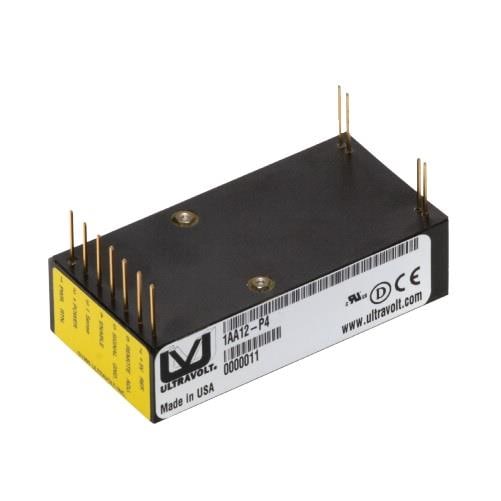
Where non-isolated converters fit in a power design
A non-isolated converter is typically selected when the input and output can share the same ground reference. In practical terms, that makes it a common choice for distributed power architectures in control boards, communications equipment, industrial computing, and embedded electronics where downstream rails must be derived efficiently from a higher DC bus.
Compared with isolated DC/DC converters, this category is usually focused on conversion efficiency, smaller form factors, and high-density board integration. That makes it suitable for applications such as powering processors, FPGAs, memory rails, interface circuits, and other low-voltage loads that sit close to the point of use.
Common package styles and output approaches
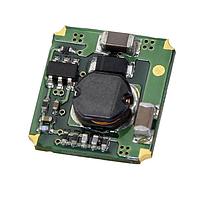
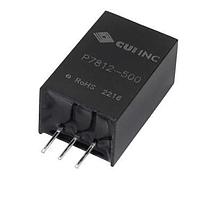
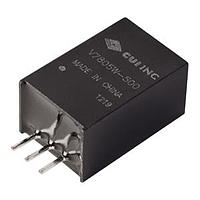
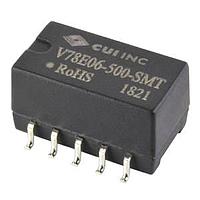
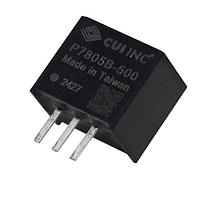
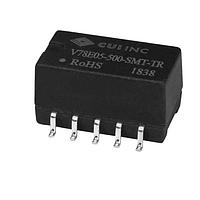
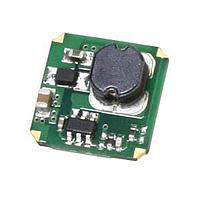
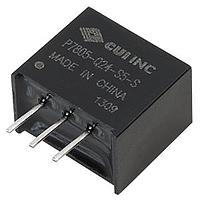
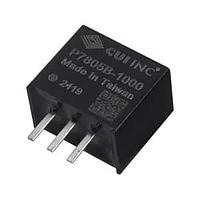
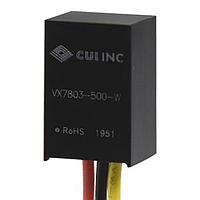
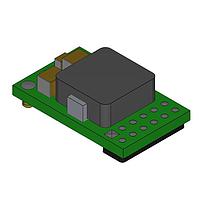
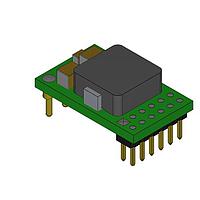
This category includes several module formats used across industrial and embedded systems. Examples in the range include surface-mount devices, SIP modules, DIP-style POL solutions, and compact brick formats such as thirty-second brick converters. The right mechanical format often depends on board area, thermal strategy, assembly process, and the expected output current.
Output behavior is another important consideration. Some products are designed with adjustable output ranges, which helps engineers tune rails to match specific logic, processor, or subsystem requirements. Others are fixed or programmable, which can simplify implementation in platforms where the voltage target is already defined and repeatability matters more than flexibility.
Examples from leading manufacturers
Several well-known suppliers are represented in this category, including Murata, Delta Group, and Advanced Energy. Their product examples show how broad the non-isolated segment can be, from very compact low-power surface-mount converters to higher-current modules intended for demanding board-level power delivery.
For compact designs, Murata parts such as the LXDC2XQ33A-254 and LXDC55KAAAA205 illustrate how small board-mount converters can support adjustable or tightly controlled output needs in embedded systems. For higher power density, Delta Group models such as T31SN12008NNFA, T31SN12008NNFE, and T31SN24005NNFA represent thirty-second brick options intended for industrial, ITE, and medical-related applications. In applications that need substantial current at very low voltages, the Delta Group D12S300-1 C and the Advanced Energy PTH12020LAD demonstrate how non-isolated modules can support point-of-load conversion close to digital loads.
How to choose the right non-isolated DC/DC converter
The first step is to define the available input rail and the required output voltage range. In this category, available examples span lower input ranges used in embedded electronics as well as wider input windows that support common distributed bus architectures. Matching the converter to normal operating conditions, startup behavior, and expected transients is essential for stable performance.
Next, review output current, power level, and thermal limits together rather than as separate values. A compact module may look suitable on paper, but board layout, airflow, copper area, and ambient temperature strongly affect usable performance. For instance, some listed modules are intended for modest wattage in dense electronics, while others provide much higher current capability for processor rails, communication cards, or industrial control assemblies.
It is also worth checking whether the application benefits more from an adjustable, fixed, or programmable output. Adjustable modules can simplify design reuse across multiple product variants, while programmable options may support tighter control in advanced digital systems. If your design requires an isolated barrier for safety, noise separation, or different ground domains, it may be better to review non-isolated power modules in this category alongside the isolated alternatives before final selection.
Typical application areas
Non-isolated board-mount converters are commonly used in industrial automation, embedded computing, networking equipment, test systems, and electronic control assemblies. They are well suited to situations where a main DC bus must be converted into multiple lower rails for logic, sensors, communication interfaces, storage devices, and control electronics.
Many products shown here are also relevant for point-of-load regulation, especially where voltage rails below 5 V must be delivered at relatively high current with good efficiency. This is why formats such as SIP, DIP, and brick modules remain widely used in ITE and industrial electronics, where board space, thermal behavior, and integration effort must all be balanced.
Why engineers use board-mount non-isolated modules
For many projects, a board-mount converter offers a practical middle ground between a fully discrete power design and a complete off-board power supply. It can reduce design time, simplify sourcing, and provide a more predictable path for implementation, especially when the system architecture already defines a stable upstream DC source.
Another advantage is ecosystem flexibility. A design team may standardize around a family of modules with similar footprints or electrical behavior while selecting different power levels for different product versions. In that context, ranges from Delta Group and Advanced Energy can help support both compact conversion stages and higher-current rails in the same overall power strategy.
Selection considerations for industrial and embedded buyers
For B2B buyers, the right choice is rarely based on voltage and current alone. It is also important to consider application type, mounting constraints, operating temperature range, and whether the converter is intended for industrial, ITE, or medical-oriented platforms. These factors influence qualification, thermal design, maintenance strategy, and long-term product consistency.
Because this category includes modules with different output ranges, package styles, and power classes, it is useful to compare products by the needs of the end system rather than by part number alone. A low-profile surface-mount option may be ideal for compact embedded boards, while a brick or SIP module may be more practical for serviceable industrial assemblies or higher-current rails.
Find the right converter for your design
This selection of non-isolated converters supports a wide range of board-level power tasks, from compact low-power conversion to high-current point-of-load regulation. By focusing on input range, output type, package format, and application environment, engineers and procurement teams can narrow the options to modules that fit both the electrical design and the broader product architecture.
If your system shares a common ground and needs efficient on-board DC voltage conversion, this category is a practical place to compare proven module formats from established manufacturers. Review the available products in detail to identify the right balance of size, output flexibility, and power capability for your next build.
Get exclusive volume discounts, bulk pricing updates, and new product alerts delivered directly to your inbox.
By subscribing, you agree to our Terms of Service and Privacy Policy.
Direct access to our certified experts