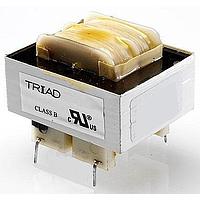
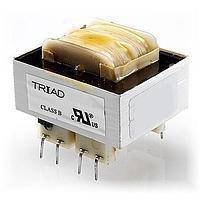
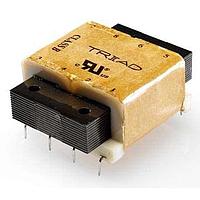
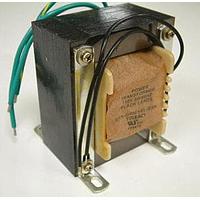
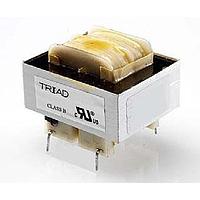
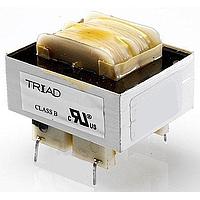
Power Transformers
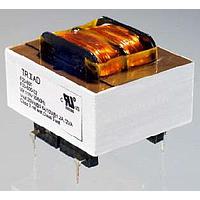
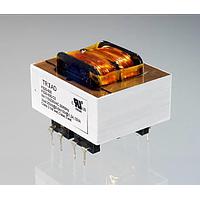
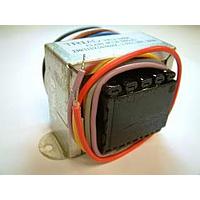
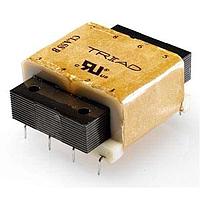
Stable voltage conversion is a basic requirement in many electronic and industrial designs, from embedded boards and control circuits to power supplies and interface modules. Choosing the right Power Transformers category helps engineers and sourcing teams narrow down components that support isolation, voltage step-up or step-down functions, and reliable energy transfer within a wider transformer ecosystem.
On this page, buyers can explore transformer options used in power conversion applications, compare representative products, and better understand how different form factors and electrical characteristics fit practical design goals. The selection is relevant for OEM purchasing, maintenance planning, and component sourcing where consistency and application fit matter more than broad marketing claims.
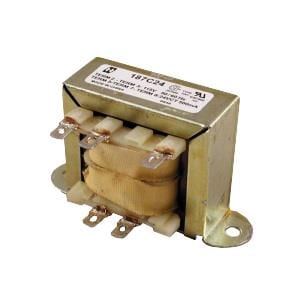
Where power transformers fit in electronic and industrial systems
Power transformers are commonly used when a circuit needs to transfer electrical energy between windings while adjusting voltage levels and maintaining electrical isolation where required. In B2B and design environments, they often appear in switch-mode power supplies, control boards, communication hardware, and supporting electronics that need dependable conversion behavior.
Compared with more specialized transformer types, this category focuses on devices intended for power handling rather than only signal coupling or measurement. If your application is centered on waveform transfer or communication line isolation, it may also be useful to review audio and signal transformer options for a more targeted selection.
Typical selection criteria for sourcing the right transformer
For most procurement and engineering workflows, selection starts with the electrical requirements: primary and secondary voltage, expected current, power level, and the need for isolation. From there, teams usually check mounting style, package size, thermal constraints, and compatibility with the surrounding circuit topology.
Mechanical fit is equally important in compact assemblies. Low-profile and surface-mount designs can be useful when board space is limited, while other applications may prioritize robustness or easier integration into existing layouts. In addition, transformer ratio and winding configuration should align with the intended power stage, not just the nominal voltage values listed on a product page.
Representative products in this category
This category includes examples from established manufacturers such as Bourns and Eaton, which are frequently specified in electronic power designs. Representative parts include the Bourns TX12-12V Power Transformers, Bourns SM51590PEL Power Transformers, and several Eaton CTX series models such as CTX110655-R, CTX110657-R, CTX110659-R, CTX210652TR-R, and CTX210605TR-R.
Some listed devices point to more application-specific use cases. For example, Eaton CTX210603TR-R and Eaton CTX210603-R are shown with compact dimensions and a defined conversion ratio, which can help when evaluating constrained layouts or specialized voltage conversion stages. The category also includes examples like American Power Conversion AP9626 Power Transformers and Eaton Coiltronics CTX210655-R, illustrating that sourcing needs may range from board-level components to broader power-related hardware ecosystems.
Understanding category boundaries and related transformer types
Not every transformer serves the same design purpose, even when part names look similar. A power-focused device is typically selected for energy transfer and conversion, while other transformer families may support current sensing, pulse transmission, or signal integrity in communications and control systems.
That distinction matters during sourcing because using the wrong category can slow qualification and introduce redesign work. For applications tied to monitoring load or protection behavior, current transformers may be the more relevant path. If the circuit is built around fast switching or gate-drive style coupling, pulse transformers can provide a better starting point.
How engineers and buyers typically evaluate options
A practical evaluation process usually combines design intent with supply-chain considerations. Engineering teams may shortlist parts based on ratio, voltage handling, insulation needs, and package constraints, while procurement checks manufacturer preference, lifecycle fit, and availability for repeat orders.
It is also common to compare several closely related models rather than selecting the first matching part. Within the Eaton CTX family, for example, neighboring part numbers may support similar design directions but differ in details relevant to layout, winding behavior, or application matching. Reviewing these options side by side helps reduce substitution risk and supports more controlled BOM decisions.
Manufacturer context within the category
Brand matters in this segment mainly because it helps buyers align with known supply channels and preferred component ecosystems. Bourns appears in this category with both general power transformer products and a telecom-oriented model, the PT61018EL, which highlights how transformer expertise can extend across adjacent applications without making every part interchangeable.
Eaton and Eaton Coiltronics are also prominent references here, especially for engineers sourcing compact transformer solutions for power conversion stages. American Power Conversion adds another point of reference for buyers working within broader infrastructure or power management environments. The goal is not to favor one brand universally, but to make it easier to compare suitable options within a trusted vendor framework.
When this category is the right place to start
This page is a strong starting point when your project requires a transformer primarily for voltage conversion or isolated power transfer in an electronic assembly. It is particularly useful for design engineers, MRO teams, and industrial buyers who already know the function they need but want to compare available products from recognized manufacturers in one place.
If your application is still being defined, narrowing the requirement by electrical role can save time. Looking at whether the device is intended for power transfer, sensing, pulse coupling, or signal handling will usually lead you to the correct product family faster than searching by part shape alone.
Conclusion
Finding the right transformer is rarely about a single specification. It depends on how the part will behave in the complete system, how it fits the board or assembly, and how confidently it can be sourced over time. This Power Transformers category brings together relevant options and manufacturer references to support a more informed selection process.
For teams comparing board-level conversion components, reviewing product structure, electrical role, and related transformer families can make the shortlist far more accurate. That approach leads to better design alignment, cleaner procurement decisions, and fewer surprises during integration.
Get exclusive volume discounts, bulk pricing updates, and new product alerts delivered directly to your inbox.
By subscribing, you agree to our Terms of Service and Privacy Policy.
Direct access to our certified experts