NFC/RFID
Short-range wireless identification is used every day in access control, asset tracking, authentication, logistics, and embedded product design. When engineers or procurement teams look for NFC/RFID components, they usually need more than a simple product list—they need a clearer view of how tags, transponders, and development tools fit into a complete design workflow.
This category brings together practical options for projects that rely on contactless data exchange and identification. It is relevant for both early-stage prototyping and more structured industrial sourcing, especially when device compatibility, reading distance, form factor, and system integration all need to be considered together.
Where NFC and RFID are used in real projects
Near Field Communication and RFID technologies support fast, contactless interaction between readers and tagged objects. In practice, that can mean tap-to-identify service points, smart labels in inventory systems, device pairing, traceability in manufacturing, or authentication in controlled environments.
Although these technologies are often discussed together, the application context matters. Some projects prioritize close-range user interaction and intuitive mobile compatibility, while others focus on tagging, batch identification, or durable deployment in industrial settings. That is why engineers often evaluate NFC/RFID alongside related building blocks such as RF integrated circuits and matching RF connectivity components.
What you can expect in this category
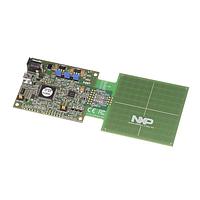
This selection is centered on two common needs: identifying objects with tags and transponders, and shortening development time with dedicated tools for evaluation and prototyping. Together, these product groups help teams move from concept validation to implementation with fewer integration surprises.
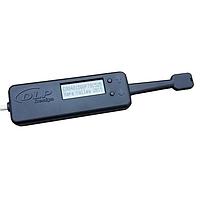
Tags and transponders are typically chosen based on how they will be attached, read, encoded, and used over time. Development tools are useful when testing communication behavior, validating reader-tag interaction, or exploring firmware and application concepts before committing to a production design.
How to choose the right NFC/RFID product
A good starting point is the intended use case. For example, a basic identification task may only require a suitable tag format and dependable readability, while a more advanced system may involve reader-side electronics, software integration, and interoperability with a broader RF architecture.
Selection usually depends on several practical factors: operating environment, read method, device spacing, material interference, mounting constraints, and whether the product is intended for development or field deployment. In many designs, nearby wireless performance is also influenced by surrounding elements such as the antenna approach and supporting passive components.
Development tools for faster evaluation
For engineering teams, development tools can reduce uncertainty early in the project. They make it easier to test communication behavior, confirm whether a tag type is suitable for the application, and understand how the system behaves in realistic operating conditions.
Brands such as Analog Devices, Infineon, and Adafruit are often considered when buyers need established ecosystems for embedded and wireless development. In this context, tool availability can be just as important as the component itself, especially when documentation, test setup, and integration speed affect project timelines.
Considering the wider RF design ecosystem
NFC/RFID does not sit in isolation inside most electronic systems. Performance and implementation quality are often shaped by the surrounding RF path, interface electronics, and mechanical design choices. Even in compact devices, small changes in layout, shielding, or matching can affect communication consistency.
For that reason, some buyers compare options across adjacent categories such as attenuators or other RF support components when they are working on test benches or broader wireless assemblies. Looking at the full signal chain can help avoid component choices that work on paper but become difficult in real hardware.
Manufacturer context for sourcing and standardization
In B2B procurement, manufacturer preference is often tied to engineering standards, approved vendor lists, and long-term support expectations. This category includes products associated with recognized suppliers in electronics and industrial design, which can help when teams are aligning prototype decisions with future purchasing requirements.
Infineon, Analog Devices, Advantech, and other established names in the broader electronics ecosystem are relevant here because many buyers prefer to evaluate components from suppliers they already use elsewhere in embedded, industrial, or connectivity projects. That can simplify qualification, documentation review, and multi-category sourcing.
What matters when buying for industrial and embedded applications
For industrial use, repeatability is usually more important than novelty. Buyers often need parts that fit a clear operational purpose: identification reliability, easy integration into existing hardware, manageable testing, and stable sourcing across development and deployment stages.
It is also helpful to think beyond the immediate part number. Questions around reader compatibility, environmental exposure, installation method, and system-level constraints can influence whether a tag, transponder, or development platform is a practical fit. A careful review at the category level helps narrow options before moving into detailed product comparison.
Find a better fit for your NFC/RFID project
Whether the goal is a simple contactless identification setup or a more structured embedded wireless design, this category supports a practical starting point for evaluation. It helps connect application needs with the right type of product, from development-oriented tools to deployable identification elements.
By approaching selection through use case, integration needs, and the surrounding RF environment, teams can make more confident decisions and reduce rework later in the design cycle. If your project also involves neighboring wireless building blocks, reviewing related categories alongside NFC/RFID can provide a more complete foundation for system planning.
Get exclusive volume discounts, bulk pricing updates, and new product alerts delivered directly to your inbox.
By subscribing, you agree to our Terms of Service and Privacy Policy.
Direct access to our certified experts