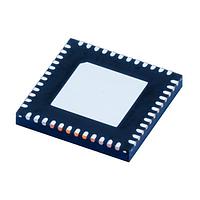
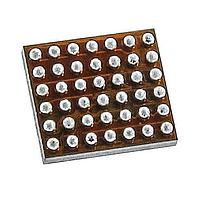
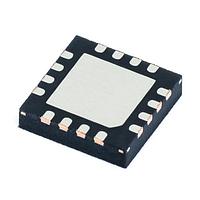
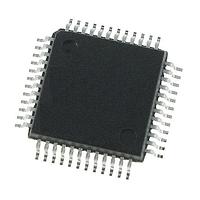
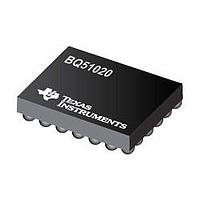
Wireless Charging ICs
As wireless power moves from consumer devices into industrial, medical, and embedded electronics, component selection becomes more important than simply choosing a charging standard. Designers need ICs that help manage power transfer, communication, thermal behavior, foreign object detection, and system-level efficiency. That is where Wireless Charging ICs play a central role in modern power architectures.
On this category page, buyers and engineers can explore devices used to build or optimize wireless charging systems for a wide range of applications. Whether the goal is compact PCB integration, higher charging convenience, or reduced connector wear, the right IC choice depends on the power level, control method, interface requirements, and overall product design constraints.
What wireless charging ICs do in a system
A wireless charging design typically requires more than a simple power converter. These ICs are used to control the transfer of energy between a transmitter and a receiver coil, regulate charging behavior, and support communication between both sides of the link. In practical designs, they may also contribute to protection functions, thermal management, and power path control.
Compared with a wired charging path, wireless power transfer introduces extra design considerations such as coil alignment, coupling efficiency, electromagnetic behavior, and charging stability under variable placement conditions. This makes the IC layer especially important for maintaining predictable system performance across real-world operating scenarios.
Common application areas
Wireless charging ICs are widely used in portable and space-constrained products where a physical connector is undesirable, exposed to wear, or difficult to seal. Typical use cases include handheld electronics, smart devices, docking accessories, wearables, and embedded products that benefit from improved usability or reduced mechanical maintenance.
They are also relevant in equipment where contactless charging supports hygiene, environmental protection, or simplified enclosure design. In these cases, engineers often evaluate the IC not only for charging capability, but also for interoperability, standby behavior, thermal limits, and how easily it can be integrated into the broader power subsystem.
How to evaluate the right IC for your design
Selection usually starts with system requirements rather than the IC itself. Important factors include transmitter or receiver role, target power level, input and output conditions, charging protocol support, communication method, and PCB space. Teams may also consider whether the design needs a highly integrated solution or a device that works alongside external control, protection, or battery management circuitry.
Another key point is system efficiency. While wireless charging is often chosen for convenience and reliability in the mechanical sense, efficiency, heat generation, and placement tolerance still affect user experience and product lifetime. Designers should also review how the IC fits with firmware control, diagnostics, and any compliance goals relevant to the end application.
Integration with the wider power and charging ecosystem
In many designs, a wireless charging IC is only one part of a larger power chain. It may operate alongside battery chargers, PMICs, DC-DC converters, protection devices, and microcontrollers. For that reason, system architects often compare wireless charging options in the context of the full power design rather than as an isolated component.
If you are comparing product options across the broader wireless charging IC range, it can also be useful to review related device families from suppliers with established power management portfolios. Brands such as Texas Instruments, Analog Devices, and Infineon are often considered in projects where power conversion, control, and mixed-signal integration must work together reliably.
Manufacturer landscape and sourcing considerations
This category includes solutions from recognized semiconductor suppliers active in power management and embedded electronics. Depending on project priorities, buyers may compare vendors based on integration level, lifecycle support, documentation quality, evaluation resources, and fit with existing approved manufacturer lists.
In addition to well-known names such as Maxim Integrated, NXP, Renesas Electronics, ROHM Semiconductor, Semtech, STMicroelectronics, and Toshiba, procurement teams often look at long-term availability and cross-platform compatibility when narrowing down options. For B2B purchasing, that means balancing engineering needs with sourcing resilience, qualification requirements, and future maintenance planning.
Key design questions before shortlisting parts
Before selecting a device, it helps to define the charging architecture clearly. Is the product acting as a transmitter, a receiver, or both in a specialized system? Will the design need to prioritize compact size, thermal headroom, interoperability, or fast implementation? Clarifying these points early reduces the risk of choosing an IC that looks suitable on paper but creates integration challenges later.
- What role will the IC perform in the wireless power path?
- How much power must be transferred under normal operating conditions?
- What are the thermal and mechanical constraints of the final enclosure?
- Does the design need specific control, communication, or protection behavior?
- How will the wireless charging stage interact with the rest of the power system?
These questions are especially useful when comparing parts across multiple suppliers or preparing for design reviews. A disciplined shortlist process tends to improve both technical fit and procurement efficiency.
Choosing with confidence for real engineering requirements
Wireless charging projects are often judged by user convenience, but successful implementation depends on sound electrical design and careful component matching. The right IC helps stabilize power transfer, simplify integration, and support the performance expected from the end product.
As you review this category, focus on the practical needs of your application: power architecture, thermal limits, control strategy, and sourcing priorities. That approach will make it easier to identify wireless charging ICs that align with both engineering objectives and long-term product planning.
Get exclusive volume discounts, bulk pricing updates, and new product alerts delivered directly to your inbox.
By subscribing, you agree to our Terms of Service and Privacy Policy.
Direct access to our certified experts