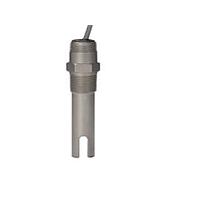
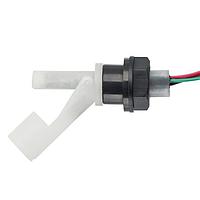
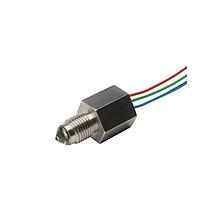
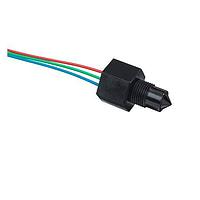
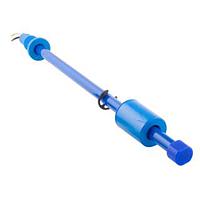
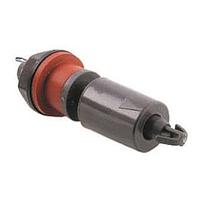
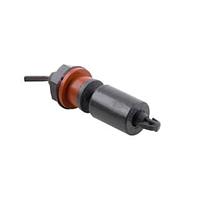
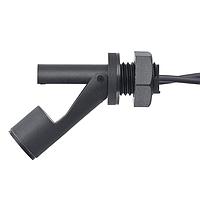
Level sensor
Reliable level detection is essential anywhere liquids, powders, or bulk materials need to be monitored without guesswork. In industrial tanks, compact OEM equipment, water treatment systems, food processing lines, and building services, the right sensing method helps prevent overflow, dry running, process interruptions, and inconsistent inventory data.
Level sensor solutions in this category support a wide range of measurement tasks, from simple point-level switching to continuous monitoring in more demanding applications. Selection usually depends on the medium, tank geometry, installation constraints, electrical interface, and the required balance between cost, durability, and measurement precision.
Where level sensors are commonly used
Level sensing is relevant across both industrial automation and embedded system design. Typical applications include storage tanks, chemical dosing systems, coolant reservoirs, wastewater handling, lubrication systems, and material feed control. In these environments, a sensor is not only used to indicate whether a vessel is full or empty, but also to support alarms, pump control, refill timing, and process safety.
For engineers building broader sensing systems, level measurement is often part of a larger instrumentation setup that may also include environmental sensors or other process feedback devices. Looking at the full measurement chain can help ensure the selected device fits the application electrically and mechanically, rather than being chosen on sensing principle alone.
Common level sensing principles and how to choose between them
There is no single technology that suits every tank or medium. Some level sensors are designed for point-level detection, where the goal is to know whether material has reached a specific threshold. Others are intended for continuous monitoring, giving a more complete view of fill level over time.
In practice, the best option depends on what is being measured. Liquids with stable properties may allow relatively straightforward detection, while foaming media, viscous fluids, conductive liquids, or dusty bulk solids may require a more careful approach. Installation position, mounting thread, dead space, response time, and compatibility with the control system also matter when narrowing down a suitable product family.
In compact electronic assemblies, designers sometimes compare level sensing with related technologies such as board mount pressure sensors, especially when indirect liquid level estimation is being considered. That comparison is useful during concept design, although direct level detection is often preferred when simple integration and switching logic are the main priorities.
Important selection criteria for industrial and OEM projects
Before choosing a device, it helps to define whether the application needs high or low level alarm, pump protection, continuous indication, or multi-point monitoring. The medium itself should be reviewed carefully: density, conductivity, temperature range, contamination risk, and whether the process involves agitation or buildup on sensor surfaces can all affect long-term performance.
Electrical integration is equally important. Buyers and design engineers should confirm the required output type, supply voltage, connector or cable style, and compatibility with the PLC, controller, relay, or embedded board already in use. For machine builders and panel integrators, this often has a bigger impact on implementation time than the sensing principle by itself.
Mechanical fit should not be overlooked. Tank depth, mounting direction, available clearance, and ingress exposure may determine whether a compact design or more robust industrial housing is appropriate. If the application sits alongside thermal monitoring functions, reviewing related options such as board mount temperature sensors may also help standardize interfaces across the wider design.
Typical manufacturer strengths in this category
This category includes products from established sensor and automation brands used across industrial and technical projects. Honeywell is widely recognized in sensing and control applications, while OMEGA is often associated with instrumentation environments where measurement reliability and system integration are key considerations. Banner Engineering, Omron Automation and Safety, and Panasonic Industrial Automation are also well known in factory automation and machine sensing contexts.
For process-oriented installations, Endress+Hauser is a familiar name when level and broader process instrumentation requirements become more demanding. Festo and Pepperl+Fuchs are also relevant where sensor selection must align with automation architecture, industrial communication expectations, and installation durability. The right choice depends less on brand name alone and more on fit with the application, maintenance strategy, and operating environment.
How level sensors fit into a broader sensing ecosystem
Level measurement rarely operates in isolation. In many systems, it works together with pressure, temperature, flow, or ambient condition monitoring to provide a more complete view of process status. This is especially true in skids, treatment systems, dispensing units, and smart equipment where multiple variables influence control logic.
For example, a tank management setup may combine level monitoring with flow sensors & pitot tubes to compare inflow, outflow, and stored volume behavior. In embedded or specialty projects, level detection may also sit alongside niche sensing technologies without requiring a complex instrumentation platform, as long as electrical and environmental requirements are clearly defined early in the design.
Practical buying considerations
For B2B purchasing, the most useful approach is to start with the application rather than the part number. Defining whether the medium is liquid or bulk material, whether the sensor is for alarm or continuous monitoring, and what the installation conditions look like will quickly narrow the field. This reduces the risk of choosing a device that works in theory but creates avoidable challenges during commissioning.
It is also worth considering maintenance expectations over the full operating life. A sensor installed in a clean utility tank may have very different service needs compared with one used in wastewater, chemical storage, or a process line with residue buildup. Matching the sensing method to actual operating conditions usually delivers better long-term results than selecting only on price or nominal compatibility.
Finding the right level sensor for your application
A well-matched level sensor improves process visibility, supports safer operation, and helps keep automation systems stable over time. Whether the requirement is a simple threshold signal or a more application-specific measurement approach, the best results come from evaluating media properties, installation details, and control system needs together.
Use this category to compare available options by application context, preferred manufacturers, and system integration needs. With a clear view of the process conditions, it becomes much easier to identify a solution that is practical to install, reliable in service, and appropriate for the wider sensing architecture.
Get exclusive volume discounts, bulk pricing updates, and new product alerts delivered directly to your inbox.
By subscribing, you agree to our Terms of Service and Privacy Policy.
Direct access to our certified experts