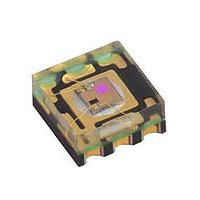
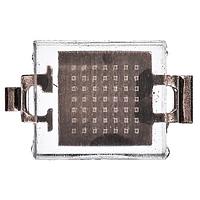
Optical Sensors
Light-based sensing is widely used when a system needs fast, non-contact detection, reliable signal acquisition, or compact integration on a PCB. In electronics, industrial automation, and embedded product design, Optical Sensors help convert light intensity, color, wavelength, or optical interruption into data that can be processed for monitoring and control.
This category covers a broad range of components for detecting visible light, IR, UV, color, and optical presence. Whether the goal is object recognition, display brightness adjustment, color verification, or fiber-based signal transmission, optical sensing devices support applications that demand speed, sensitivity, and electrical isolation from the measured target.
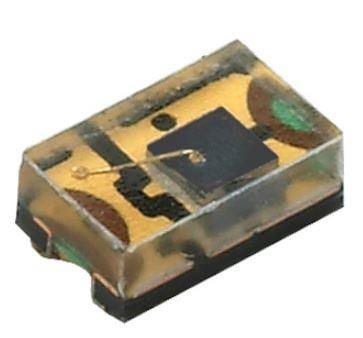
Where optical sensors are used
Optical sensing technology appears across consumer devices, laboratory instruments, smart building systems, and factory equipment. In compact electronics, ambient light devices are often used to adapt screen brightness or improve power efficiency. In industrial settings, color and photo sensors are commonly selected for presence detection, sorting, mark recognition, and process monitoring.
These components are also relevant when engineers need a sensing method that avoids mechanical contact with the target. Compared with some other sensing principles, optical detection can offer quick response, small form factors, and good suitability for applications where cleanliness, distance, or electrical isolation matters. For broader environmental monitoring needs, related technologies may also be found in environmental sensors and other board-level sensing categories.
Main product types in this category
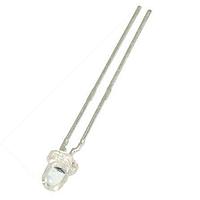
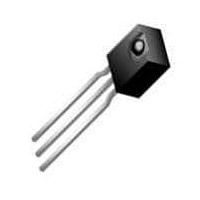
This category includes several device groups with different roles in an optical design. Ambient light sensors are typically used to measure surrounding illumination, while color sensors detect multiple channels of light to distinguish color or spectral characteristics. Photodiodes and phototransistors focus on converting incident light into an electrical response for detection circuits, measurement modules, or communication links.
Some devices are built for logic-level output and easier integration into digital systems, while others are intended for analog front-end design where signal conditioning is handled externally. Optical transmitters and fiber-optic components serve a different but related purpose by enabling optical signal emission in communication or isolation-oriented systems. That mix makes this category useful not only for sensing tasks, but also for complete optoelectronic signal paths.
Examples from leading manufacturers
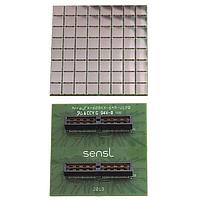
Design requirements vary widely, so product selection often starts with the sensing task itself. For color analysis, devices such as the Banner Engineering QCM50-K5D40-Q8-8 Color sensor and the ams OSRAM AS7261-BLGT Color sensor illustrate two different integration contexts: one oriented toward industrial sensing environments and another suited to compact electronic designs. If you need to explore the brand in more detail, ams OSRAM is one of the key manufacturers represented in this space.
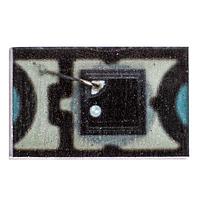
For light-level detection, the Lite-On LTR-329ALS-01 Ambient Light Sensor and the Finisar Corporation CHPDV2120R Ambient light/ IR/UV sensor show how optical devices can extend beyond visible light only. In discrete detection circuits, parts such as the ams OSRAM Q62702P0956 Photo Diode and Broadcom SPD2004-GP Photodiodes are relevant when engineers need a direct photoresponse element that can be matched with their own amplification and filtering approach.
How to choose the right optical sensor
A practical selection process usually begins with the measured light source or target condition. The first question is whether you need to detect ambient brightness, a reflected beam, a specific color, UV/IR content, or simple light interruption. That determines whether a color sensor, ambient light sensor, photodiode, or transmitter/receiver arrangement is the better fit.
Next, consider the electrical and mechanical integration requirements. Output type, package style, mounting method, response speed, and operating environment all affect design compatibility. For board-level embedded products, compact digital sensors may reduce development time, while industrial automation projects may benefit from more application-ready sensing devices designed for robust installation and repeatable operation.
It is also important to think about the optical path itself. Lens arrangement, distance from the target, external light interference, and surface reflectivity can significantly influence real-world performance. In some systems, an optical sensor works alongside other devices such as board mount temperature sensors or pressure sensing elements to create a more complete measurement platform.
Optical sensors in industrial and embedded systems
In automation, optical sensors are often selected for tasks that require high repeatability without physical contact. Common examples include object detection on conveyors, label and mark identification, pass/fail checking based on color, and monitoring of transparent or fast-moving materials. Devices from manufacturers such as Banner Engineering are frequently associated with these application-driven use cases, especially where rugged installation and machine integration are important.
In embedded electronics, the focus is often different. Engineers may prioritize low power consumption, compact packaging, and easy interfacing with microcontrollers or sensor hubs. Here, ambient light and spectral sensors support handheld products, wearables, smart lighting, and portable instruments where the optical input becomes part of a broader control or analytics system.
Discrete components and optical signal transmission
Not every design needs a fully integrated sensor IC. In many circuits, discrete photodiodes are chosen when developers want more control over amplification, spectral filtering, or timing behavior. This approach can be useful in custom measurement instruments, high-speed detection paths, and application-specific optical receiver circuits where the analog front end is tuned around the sensing element.
On the transmission side, products such as Broadcom HFBR-1532Z Optical Transmitters, Broadcom HFBR-1414Z Optical Transmitters, and Broadcom QFBR-T518Z Optical Transmitters represent the optoelectronic building blocks used in fiber-oriented links and optical communication paths. If your project extends beyond sensing into data transfer through light, Broadcom is one of the manufacturers worth reviewing within this category context.
Finding the best fit for your application
Because this category brings together ambient light devices, color sensors, photodiodes, phototransistors, and optical transmitters, the best choice depends on how the optical signal will be generated, received, and interpreted in the final system. A display control circuit, for example, has very different needs from a fiber-based communication interface or a production line color-check station.
When narrowing the shortlist, focus on sensing principle first, then on integration details such as package, interface expectations, and operating conditions. If your design also depends on adjacent measurement functions, it can be useful to compare with related categories such as board mount pressure sensors to build a more complete system architecture.
Conclusion
Optical sensors play a central role in modern electronic and industrial designs because they enable fast, compact, and non-contact interaction with light-based signals. From ambient brightness measurement and color recognition to discrete photodetection and optical transmission, this category supports a wide range of integration strategies.
For efficient selection, start with the sensing objective, then evaluate how the device will be mounted, read, and protected in the actual application. That approach makes it easier to identify components that match both the technical function and the broader system design requirements.
Get exclusive volume discounts, bulk pricing updates, and new product alerts delivered directly to your inbox.
By subscribing, you agree to our Terms of Service and Privacy Policy.
Direct access to our certified experts