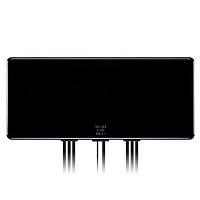
Telecommunication components
Reliable signal transmission depends on more than active equipment alone. In many RF, wired communication, and embedded connectivity projects, the supporting parts around the signal path determine how stable, scalable, and serviceable the final system will be. That is why Telecommunication components remain an important category for engineers, buyers, and integrators working across industrial electronics, network infrastructure, and device development.
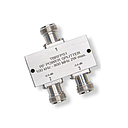
Where telecommunication components fit in a system
This category typically supports the physical and functional layer of communication hardware, including the interconnection, protection, assembly, and signal-handling elements used around boards, modules, and field devices. In practice, these components are selected not only for electrical compatibility, but also for installation conditions, maintenance access, and long-term reliability.
Whether the application involves industrial networking, RF interfaces, embedded communications, or lab prototyping, component choice affects signal integrity, shielding, mechanical stability, and ease of integration. For many buyers, the goal is not simply to source parts individually, but to build a complete and dependable communications hardware stack.
Typical selection priorities for engineering and procurement teams
When evaluating telecommunication-related parts, engineers usually begin with interface requirements, mechanical format, and the environment in which the assembly will operate. A component that works well in a bench prototype may not be suitable for vibration, repeated mating cycles, or constrained enclosure layouts in production equipment.
Procurement teams also look at ecosystem fit. A practical selection process often includes compatibility with adjacent connector solutions, serviceability in the field, and consistency across multiple builds or maintenance cycles. In communication assemblies, these details help reduce mismatch issues and unplanned redesign work later on.
Materials, shielding, and signal path considerations
In telecommunication assemblies, the physical construction of a component can be just as important as its nominal electrical role. Contact materials, insulation choices, shielding structure, and termination style all influence how well a design handles noise, attenuation, and long-term wear. For applications carrying sensitive or high-frequency signals, these factors deserve close attention during specification review.
Signal integrity is rarely the result of a single part. It depends on how the component works within the full path, including cable routing, mating interfaces, protection strategy, and board layout. In some systems, designers may also need related elements from circuit protection ranges to help safeguard communication lines from transients or installation-related faults.
Common use cases across industrial and electronic applications
Telecommunication components are widely used in communication-enabled control panels, embedded devices, instrumentation, test setups, gateways, and networked electronics. They may support internal board-to-board communication, external I/O links, RF connections, or structured signal routing inside larger systems.
These parts are also relevant in development and maintenance workflows. During prototyping, validation, or repair, teams often need communication-related components that are easy to assemble, replace, or adapt. In that context, adjacent categories such as kits and tools can be useful for bench work, cable preparation, and installation tasks that support communication hardware builds.
Manufacturers commonly considered in this category
Buyers often compare suppliers based on consistency, documentation, and suitability for their target application. Brands such as 3M, 3M Electronic Specialty, AMP Connectors - TE Connectivity, Amphenol, and Amphenol RF are frequently associated with interconnection and signal-related hardware used in broader communication ecosystems. Depending on the design context, companies like Advantech, Adafruit, Analog Devices, ams OSRAM, and ANRITSU may also be relevant within surrounding electronics and communication workflows.
Manufacturer fit should be evaluated alongside the actual use case rather than by brand name alone. In B2B sourcing, the right choice is usually the one that aligns with the interface standard, assembly process, operating conditions, and support expectations of the project.
How to narrow down the right telecommunication components
A practical starting point is to define the communication medium and installation scenario. Consider whether the application is primarily RF, wired signal transfer, embedded communications, or a mixed environment. Then review mating style, mounting constraints, frequency sensitivity, shielding needs, and replacement requirements over the product lifecycle.
It also helps to think one level beyond the immediate part. Some projects require supporting items such as mounting accessories, assembly aids, or neighboring parts from other component categories to complete the build. Looking at the full integration picture usually leads to better purchasing decisions than choosing parts on a single parameter alone.
Why this category matters for long-term system reliability
Communication performance can degrade gradually when supporting components are overlooked. Poor mechanical retention, weak shielding, unsuitable materials, or inconsistent interface quality may lead to intermittent faults that are difficult to diagnose in the field. Selecting the right parts early helps reduce these risks and supports more stable operation over time.
Application-driven selection is especially important in industrial and professional environments, where service continuity and maintainability matter as much as initial performance. A well-chosen set of telecommunication components contributes to cleaner installation, better signal handling, and smoother lifecycle management.
Final considerations for sourcing
For teams building or maintaining communication-capable equipment, this category serves as a practical foundation for the physical side of connectivity. The most effective approach is to match component choice to the real operating environment, the required interface, and the wider hardware ecosystem around the design.
If you are comparing options in Telecommunication components, focus on compatibility, mechanical suitability, and long-term integration value rather than isolated specs alone. That approach makes it easier to source parts that support dependable communication performance from prototype through deployment.
Get exclusive volume discounts, bulk pricing updates, and new product alerts delivered directly to your inbox.
By subscribing, you agree to our Terms of Service and Privacy Policy.
Direct access to our certified experts