Wrap Wire
When compact point-to-point wiring is needed for prototypes, backplanes, repair work, or dense electronic assemblies, choosing the right conductor matters just as much as the tool being used. Wrap Wire is designed for reliable wire-wrap style terminations and similar precision interconnect tasks where consistent conductor size, clean insulation handling, and dependable signal paths are important.
In this category, buyers can compare wire options for different gauge requirements, insulation types, temperature ranges, spool lengths, and color-coding needs. The range shown here is especially relevant for electronics manufacturing, lab work, maintenance benches, and technical environments where solid conductors are preferred for structured low-profile routing.
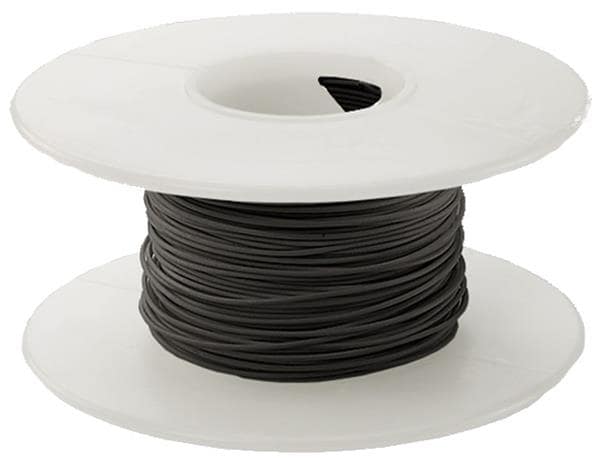
Where wrap wire fits in electronics work
Wrap wire is commonly used in applications that require neat routing and secure mechanical connection around terminals or posts. Its typical use cases include prototype development, rework, instrumentation wiring, test fixtures, and compact interconnect layouts where a small conductor diameter helps simplify organization inside crowded assemblies.
Compared with broader hook-up wire selections, wrap wire is usually chosen for more specialized bench and assembly tasks. The focus is less on general-purpose wiring and more on controlled, repeatable terminations using solid conductors in smaller AWG sizes.
Key characteristics to compare before buying
The most important selection factors are usually wire gauge, conductor construction, insulation material, and operating temperature. In this category, the listed products are solid wire designs, which is an important detail because solid conductors are generally preferred for wire-wrap style connections where dimensional consistency affects the quality of the wrap.
Gauge options such as 26 AWG, 28 AWG, and 30 AWG support different balance points between mechanical strength, routing density, and ease of handling. Buyers should also pay attention to insulation systems such as PVDF and ETFE, since these influence stripping behavior, thermal tolerance, and suitability for specific assembly conditions.
Material and insulation options in this range
Several products in this category use silver plated copper conductors, a practical choice for precise signal wiring and fine electronic assembly. This construction is commonly selected where conductivity, solderability, and stable handling characteristics are important in low-current interconnect work.
Insulation choices differ across the range. PVDF-insulated options from Jonard Tools are represented in low strip force formats, which can be useful when technicians need cleaner preparation during manual assembly or repair. ETFE-based options from Vector are also available for buyers looking for higher temperature capability within compact wire-wrap applications.
Examples from Vector and Jonard Tools
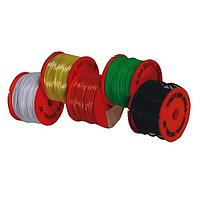
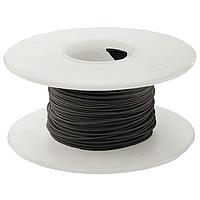
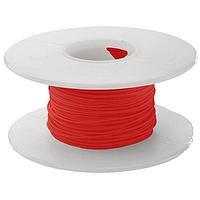
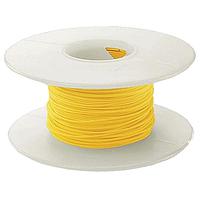
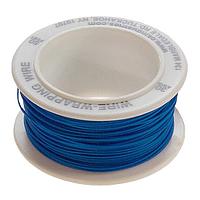
Vector appears prominently in this category with multiple 28 AWG and 30 AWG wrap wire options in different colors and spool formats. Examples such as the Vector W28-6E, W28-6D, W28-6H, and W30-6J illustrate how the range supports organized panel or bench wiring through color differentiation while also offering insulation systems suited to elevated temperature environments.
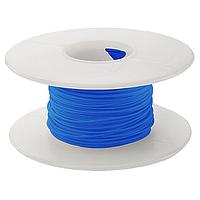
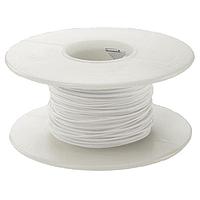
Jonard Tools adds another practical angle with products such as KSW26BLK-0100, KSW30G-0100, and KSW30R-0100, along with the R-30W-0050 replacement roll for WD-30-W. These products are relevant for users who already work within a specific wire dispensing or handling setup and want replacement or replenishment stock that matches their established process.
How to choose the right wrap wire for your application
For most buyers, selection starts with the terminal or post requirement and the intended wiring density. A smaller gauge such as 30 AWG can be attractive where space is limited and routing flexibility matters, while 26 AWG may be preferred when a slightly more robust conductor is desirable for handling or durability considerations.
Next, consider the operating environment. If the build will be exposed to higher temperatures, insulation with higher heat tolerance may be the better fit. Color is also more than a cosmetic detail: clear color coding can improve troubleshooting speed, reduce assembly mistakes, and help maintain documentation discipline across larger wiring projects.
Spool length should match workflow as well. Shorter replacement rolls can make sense for maintenance or occasional bench work, while longer spools are often more practical for repeated production tasks or lab environments where the same wire type is used regularly.
Related cable categories for broader projects
Wrap wire is often only one part of a larger cabling requirement. Some projects also need specialized cables for system integration, or temperature-rated wire and cable when thermal exposure goes beyond typical bench conditions.
For cable management after assembly, products in cable ties can help keep routed conductors organized and protected. These adjacent categories are useful when the job extends from fine interconnect work into full enclosure wiring or finished system buildout.
What this category is best suited for
This selection is most useful for engineers, technicians, repair teams, electronics labs, and OEM buyers sourcing fine-gauge solid wire for structured interconnect work. The product mix supports applications where controlled handling, consistent dimensions, and manageable spool formats are more important than heavy-duty power transmission.
Because the available range includes multiple gauges, colors, and insulation types from established suppliers, the category gives buyers a practical starting point for matching wire properties to assembly method, thermal conditions, and maintenance preferences.
Final thoughts
Choosing wrap wire is ultimately about matching conductor size, insulation behavior, and spool format to the way the work is actually performed. Whether the priority is denser routing, easier stripping, higher temperature tolerance, or consistent color coding, this category helps narrow the options to products aligned with precision electronic wiring tasks.
For teams building prototypes, servicing boards, or maintaining organized terminal wiring, a well-chosen solid conductor with the right insulation system can make assembly cleaner and rework more predictable. Reviewing gauge, temperature rating, and handling requirements up front is the simplest way to select a wire that fits both the application and the workflow.
Get exclusive volume discounts, bulk pricing updates, and new product alerts delivered directly to your inbox.
By subscribing, you agree to our Terms of Service and Privacy Policy.
Direct access to our certified experts