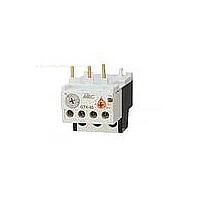
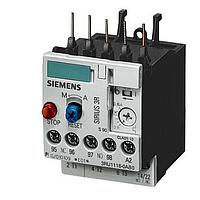
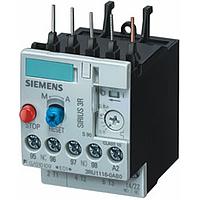
Relays
Reliable switching is at the heart of many electrical and automation systems, from control panels and industrial machines to vehicles and signal-routing assemblies. Choosing the right Relays category is not only about matching voltage and current requirements, but also about understanding switching method, mounting approach, environmental conditions, and the wider system the relay will support.
On this page, buyers and engineers can explore relay solutions used for power switching, signal isolation, timing, protection, and application-specific control. The range also extends beyond the relay itself, since sockets, hardware, and related accessories often play an important role in installation quality, maintenance efficiency, and long-term reliability.
Where relays fit in modern electrical systems
A relay acts as an interface between a control signal and a switched circuit. In practical terms, it allows a low-power command to open or close another circuit, helping designers separate control logic from field loads while improving safety, serviceability, and functional flexibility.
Within a broader control architecture, relays are often selected alongside electromechanical contactors, switches, and actuator devices depending on load size and switching duty. For compact control tasks, signal handling, or application-specific switching, relays remain a widely used and highly adaptable solution.
Common relay types and how they are used
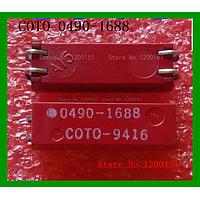
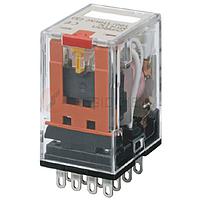
This category covers a broad relay landscape rather than one single device style. Depending on the application, engineers may need automotive relays for vehicle electrical systems, industrial relays for panel-based control, safety relays for machine protection logic, reed relays for compact signal switching, or solid state relays where silent operation and fast switching are priorities.
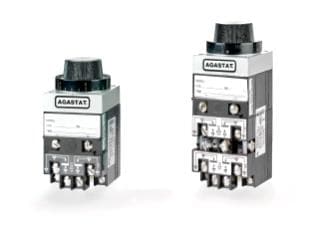
Other relay families serve more specialized needs. Time delay relays support sequence control and timing functions, protection relays help monitor abnormal electrical conditions, and control relays are often used in automation logic and interlocking circuits. If your application depends on a broader switching chain, related products in switches may also be relevant for the operator or sensor side of the design.
Selection factors that matter in B2B sourcing
For technical procurement, relay selection usually starts with the load: what needs to be switched, how often, and under what conditions. Electrical rating, coil or control requirements, contact arrangement, insulation needs, switching frequency, and expected life all influence whether a relay is suitable for the job. Mechanical constraints such as space, mounting style, and wiring access are also important, especially in dense control cabinets or compact equipment.
Environmental considerations should not be overlooked. Temperature, vibration, contamination, and service access can all affect relay choice. In many projects, the right answer is not just a relay but a relay plus the appropriate accessory set, particularly when maintenance speed, panel organization, or replacement consistency is a priority.
The role of relay accessories and mounting hardware
A well-designed relay installation often depends on more than the switching element itself. Relay accessories such as sockets, hardware, and support parts help simplify assembly, improve wiring consistency, and make replacement easier during maintenance. This is especially valuable in industrial and transport-related environments where downtime and field service effort matter.
Examples in this catalog include the Amphenol M12883/47-04 Polyetherimide Relay Socket for electromechanical relay applications, along with accessory parts such as Amphenol RSN112010, Amphenol M12883/40-01, and Amphenol RSE120151-S. These kinds of components are not the main switching device, but they support a more robust relay ecosystem by improving fit, retention, and integration within the final assembly. For projects that require more supporting components around high-current switching assemblies, contactor accessories can also be useful context.
Automotive and electromechanical examples in this range
Some applications call for relays designed for demanding electrical environments, including automotive systems and other mobile platforms. Representative products listed here include Amphenol LVRCM35SCF, Amphenol AHDM04-18-14SN, and Amphenol LVRC16LP automotive relays. These are relevant when engineers need components aligned with relay-based switching in transportation or vehicle-adjacent systems.
For sourcing teams that want to review products from a known connector and interconnect-focused manufacturer with relay-related offerings, Amphenol is one of the featured brands in this category. Depending on the build, automotive relay parts and accessory items may appear together because the complete solution often includes both the switching device and the associated mounting or interface hardware.
How relay choice affects system maintenance and lifecycle
In B2B environments, lifecycle cost matters as much as initial fit. A relay that is easy to replace, clearly wired, and supported by compatible sockets or hardware can reduce service time and help standardize maintenance procedures across multiple machines or installations. This is one reason many buyers evaluate not just the relay itself, but also the availability of compatible accessories and replacement paths.
Serviceability is particularly important in production lines, building systems, transport equipment, and OEM assemblies where rapid troubleshooting is expected. Standardized relay interfaces also help when spare-part planning is part of a long-term maintenance strategy.
When to compare relays with other switching technologies
Not every switching task should be solved with the same device type. Relays are often chosen for isolation, flexible control, and broad application coverage, but some systems may call for contactors when handling larger loads or repetitive power switching. In other designs, adjacent technologies such as solenoids & actuators may be part of the output side of the same control chain.
The best approach is to look at the function of the device in the overall system: signal switching, load switching, protection, timing, or interface control. Once that role is clear, it becomes easier to narrow the relay family and supporting hardware that match the application.
Finding the right relay solution for your application
This category is designed to support both engineering evaluation and practical purchasing. Whether the requirement is an automotive relay, a panel control relay, a timing function, or a relay accessory that completes the installation, the available range helps users compare products based on real application needs rather than generic specifications alone.
Relays remain a key building block in control and switching design because they bridge logic and power in a simple, versatile way. By considering load type, operating environment, installation method, and accessory compatibility, buyers can identify solutions that are easier to integrate, maintain, and scale across industrial and commercial projects.
Get exclusive volume discounts, bulk pricing updates, and new product alerts delivered directly to your inbox.
By subscribing, you agree to our Terms of Service and Privacy Policy.
Direct access to our certified experts