
Electromagnetic Relay
When a control circuit needs dependable electrical switching with clear isolation between the control side and the load side, electromechanical relay technology remains a practical choice. In many industrial panels, machines, and automation cabinets, an Electromagnetic Relay is still preferred for straightforward logic switching, interposing, status transfer, and signal control.
This category brings together relay solutions used in industrial control environments, from general-purpose plug-in relays to contactor relays, relay sockets, and I/O relay terminal interfaces. It is especially relevant for engineers, panel builders, maintenance teams, and OEM buyers looking for proven components that fit established control architectures.
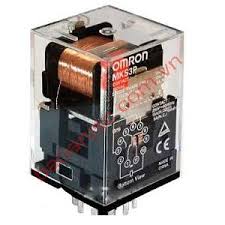
Where electromagnetic relays fit in industrial control
An electromagnetic relay uses a coil to mechanically actuate contacts, allowing one circuit to switch another without direct electrical continuity between the two sides. This makes relays useful for signal isolation, load switching, interposing between PLC outputs and field devices, and implementing basic logic in control systems.
Compared with highly specialized relay types, this category focuses on devices commonly found in factory automation, machine control, and electrical panels. If your application is more specific, such as vehicle systems or radio-frequency switching, related options like automotive relays or high frequency relay / RF relay may be more appropriate.
Typical product types in this category
This range is not limited to one relay format. Alongside classic plug-in relays, buyers may also need the supporting hardware and interface components required for clean installation in control cabinets. That includes sockets, relay terminals, and contactor relays designed for higher-duty industrial use.
For example, the OMRON MY4N-GSDC24 relay is a general-purpose 24 VDC plug-in relay with 4PDT contacts, suited to common control and switching tasks. The matching OMRON PYF14A-N relay socket supports DIN rail mounting, which helps simplify panel assembly and maintenance when plug-in replacement is preferred.
For motor control and auxiliary switching functions, a contactor relay such as the SIEMENS 3RH2131-1BB40 offers a different role within the panel. Meanwhile, OMRON G70A and G70V series I/O relay terminals address a broader interface need by organizing multiple input or output points through relay-based terminal assemblies.
Common applications for electromagnetic relays
In practice, these relays are used wherever a control signal needs to switch another device safely and predictably. Typical examples include driving lamps, buzzers, solenoid valves, small motors through control logic, and transferring status signals between control layers.
Relay interface terminals are especially useful in PLC-based automation systems. Products such as the OMRON G70A-ZOC16-4 DC24 and G70A-ZOC16-3 DC24 provide organized output interfacing for PNP or NPN logic arrangements, while G70V series models support structured input or output wiring with pre-mounted relays.
In machine safety or monitoring-related designs, relays with forcibly guided contacts can also play an important role. The OMRON G7SA-5A1B variants listed in this category are examples of relays intended for applications where contact status integrity matters more than simple signal switching alone.
How to choose the right relay for your panel
Selection usually starts with the electrical basics: coil voltage, contact arrangement, load current, and mounting method. A 24 VDC coil is common in automation panels, but the correct contact form and switching capacity depend on the device being controlled and the wiring philosophy of the machine.
Next, consider the installation method and maintenance strategy. Plug-in relays with sockets are convenient for serviceability, while relay terminal units can reduce wiring time and improve cabinet organization when many I/O points need to be handled together. For compact control systems, this can be just as important as the relay rating itself.
It is also important to match the interface type to the control system. For example, the difference between PNP and NPN versions in I/O relay terminals directly affects compatibility with PLC output and input schemes. Choosing the correct polarity and terminal style early helps avoid rework during commissioning.
Why sockets and relay terminals matter
In industrial purchasing, the relay is only part of the complete switching solution. The socket, terminal interface, and wiring method influence assembly speed, troubleshooting access, replacement time, and the overall neatness of the panel.
A product like the OMRON PYF14A-N relay socket supports repeatable DIN rail installation and easier replacement of compatible relays. In larger cabinets, integrated relay terminals such as the OMRON G70V-SOC16P-1, G70V-SOC16P-1-C4, G70V-SID16P-1, and G70V-SID16P-1-C16 can streamline multi-channel wiring for output or input points.
For buyers comparing broader options, it can also be useful to review related industrial relays and accessories when the project needs bases, sockets, or complementary relay hardware beyond this category alone.
Leading brands available for industrial relay applications
This category includes solutions from established industrial manufacturers such as OMRON and SIEMENS. OMRON is strongly represented here with general-purpose relays, sockets, I/O relay terminals, and forcibly guided contact relays that suit a wide range of control-panel requirements.
SIEMENS contributes relevant options for industrial control applications where contactor relay functionality is needed. The practical difference between brands is often less about marketing claims and more about portfolio fit, compatibility with your existing panel standards, and the availability of the right interface format for the job.
When to consider adjacent relay categories
Not every switching task should be solved with the same relay family. If the application involves very small signal handling on boards, highly specialized RF paths, or niche switching requirements, a different category may offer a more suitable design approach.
For example, engineers working with compact electronics may also want to compare low signal PCB relays. The goal is not simply to choose any relay, but to choose the relay format that best matches the electrical load, the environment, and the control architecture.
Choosing with confidence
A well-selected electromagnetic relay supports reliable switching, easier maintenance, and better panel organization over the long term. Whether you need a classic plug-in relay such as the OMRON MY4N-GSDC24, a matching socket, a contactor relay from SIEMENS, or multi-point I/O relay terminals for PLC interfacing, the right choice depends on how the device will function inside the full control system.
Use this category to compare relay formats by application, wiring method, interface style, and control logic compatibility. That approach usually leads to a faster specification process and a more practical solution for real industrial environments.
Get exclusive volume discounts, bulk pricing updates, and new product alerts delivered directly to your inbox.
By subscribing, you agree to our Terms of Service and Privacy Policy.
Direct access to our certified experts