Switch Accessories
Small mechanical parts often make the difference between a switch assembly that is easy to use, clearly identified, and reliable in service, and one that is harder to operate or maintain. In many industrial, panel-building, and equipment-integration projects, Switch Accessories help complete the interface around the switch itself, supporting installation, operation, protection, and visual identification.
This category is relevant when you already know the switching function you need, but also need the supporting parts that make the final assembly practical in the real world. That may include key tops, caps, bezels, knobs, labels, or other accessory components designed to match specific switch families and application requirements.
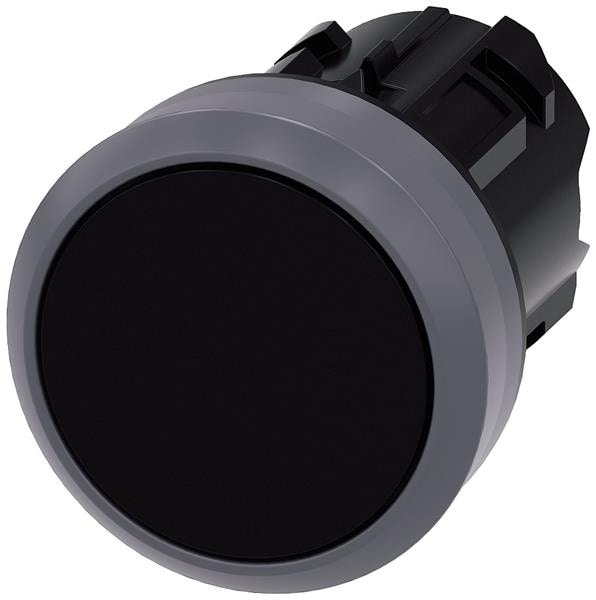
Why switch accessories matter in real applications
A switch is rarely used as a bare component. In operator panels, control boxes, compact electronics, and machine interfaces, accessories improve how the switch is mounted, protected, or actuated. They can also help standardize the user experience by giving the switch a clearer shape, color, or tactile surface.
For design engineers and buyers, selecting the right accessory is often about compatibility and usability rather than adding complexity. A suitable cap, bezel, or knob can support faster assembly, easier operator interaction, and more consistent product finishing across multiple builds.
Typical accessory types found in this category
This category can support a broad range of switch-related parts, from visible interface pieces to supporting installation items. Common examples include key tops, switch caps, bezels, covers, and specialized accessories designed for a defined compatible series.
Several listed items illustrate that range well. Alps Alpine parts such as the SK2AA00330 tactile switch key top and the SK2AA00280, SK2AA00270, SK2AA00290, and SK2AA00230 cap variants show how accessory selection can affect ergonomics, color coding, and front-panel appearance. For push-style operation, the Alps Alpine UE200012 round knob is an example of an accessory used to improve manual actuation and interface feel.
Other products in the category serve different roles in the switching ecosystem. The Brady THT-14-423-10 relates more to identification and labeling support, while the Advantech EKI-7716G-4F4CI-AE item reflects that some accessories are tied to broader device or network-switch environments rather than simple front-panel switch cosmetics.
Compatibility should be the first selection criterion
The most important step when choosing switch accessories is confirming series compatibility. Accessories are often designed around a specific switch body, actuator geometry, mounting cutout, or product family. Even parts that look similar can differ in fit, height, shape, or locking method.
Some items in this category explicitly indicate compatibility with particular series. For example, several Alps Alpine accessories are listed for use with chip type LD, CAN type LD, or fiber-related lens systems. That kind of information is essential because it helps narrow selection to parts intended for the correct hardware platform rather than relying on visual similarity alone.
When sourcing for maintenance or production, it is useful to verify the exact switch series, operating style, and front-panel design target before ordering. This reduces the risk of mismatched accessories that can delay assembly or require redesign.
Design considerations for panel builders and equipment manufacturers
Accessory choice often affects more than appearance. In a finished panel or device, the selected part can influence operator comfort, cleaning access, labeling clarity, and how easily users distinguish one function from another. Color-coded caps, shaped knobs, and tactile key tops are especially useful where multiple switch functions are grouped closely together.
There is also a practical maintenance dimension. Replacing a worn cap or adding a compatible protective or identification element may be simpler and more cost-effective than replacing the entire switch assembly. In industrial environments where uptime matters, these supporting components can help streamline service work and spare-parts planning.
If your project also involves application-specific switching devices, it can be useful to compare related categories such as safety switches or disconnect switches, especially when accessory needs are tied to enclosure design and operator access.
Representative manufacturers in this category
This category includes accessory options associated with recognized component and industrial suppliers. Alps Alpine is especially visible in the current product selection, with multiple examples covering key tops, caps, and knobs for switch interface customization. These types of parts are useful where designers need to align switch feel and appearance with compact product layouts.
Advantech also appears in the category, showing that switch accessories can extend into industrial networking and automation hardware ecosystems. Brady is another relevant name here, particularly where switch-related identification and marking play a role in organized installations.
Manufacturer selection should still be driven by fit with the existing switch platform and project environment. In most cases, the best accessory is the one that matches the intended switch family, mounting concept, and maintenance strategy with the least ambiguity.
When to use dedicated accessory categories
Some projects require a narrower search than a broad accessories page. If you already know you need specific front-end interface parts, dedicated groupings for bezels, caps, actuators, covers, or hardware may help speed up sourcing and reduce filtering time. That is especially true in repeat-build manufacturing where cosmetic consistency and mechanical fit must be controlled closely.
For broader exploration beyond standard items shown here, you may also review other switch accessories. This can be helpful when the required part is unusual, tied to a niche switch format, or used as a supporting component in a larger control assembly.
How to choose the right switch accessory
A practical selection process usually starts with the switch family, then moves to the intended function of the accessory. Ask whether you need to improve actuation, add visual differentiation, support mounting, provide labeling, or replace a worn external part. This helps avoid choosing by appearance alone.
Next, review the available product details carefully. Dimensions, accessory type, and compatibility notes are often the key data points. A part such as a tactile switch key top serves a different purpose from a bezel or a round knob, even if all are grouped under the same accessory category.
Finally, think about the full operating environment. In control panels, operator-facing devices benefit from accessories that improve clarity and handling. In OEM equipment, consistent accessory selection can simplify assembly and improve the finished product’s interface quality.
Supporting a complete switch assembly
Choosing accessories is often the last step before a switch solution is ready for installation, but it should not be treated as an afterthought. The right combination of mechanical fit, interface style, and compatibility can make switch operation more intuitive and help the final assembly look and perform as intended.
Whether you are sourcing replacement caps, specifying key tops for a compact design, or identifying compatible parts for a broader control system, this category helps connect the core switching element with the practical details needed in production and field use. Reviewing the switch family, application context, and accessory role together is usually the most efficient path to the right selection.
Get exclusive volume discounts, bulk pricing updates, and new product alerts delivered directly to your inbox.
By subscribing, you agree to our Terms of Service and Privacy Policy.
Direct access to our certified experts