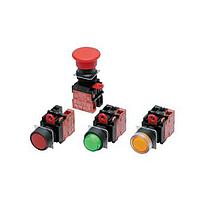
Switch Hardware
Reliable switch operation often depends on the small mechanical parts around the device just as much as the switch itself. In control panels, industrial machines, operator interfaces, and field equipment, the right mounting and fastening components help ensure stable installation, consistent actuation, and easier maintenance over time.
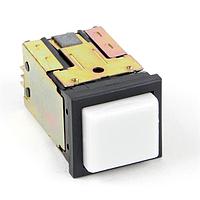
Switch Hardware covers the supporting parts used to mount, secure, and integrate switches into a panel or equipment assembly. For B2B buyers, this category is especially relevant when building new systems, replacing worn mounting parts, standardizing panel layouts, or sourcing compatible accessories for ongoing maintenance and repair.
What belongs in switch hardware
Within a switch accessory ecosystem, switch hardware typically refers to the mechanical components that support installation rather than the switching element itself. These parts may be used to fasten a switch to a panel, maintain alignment, improve retention, or simplify assembly in production and service environments.
This makes the category different from items such as switch actuators, which affect how the operator physically engages the switch, or decorative and protective front-end parts. Hardware is usually selected with close attention to mounting method, panel thickness, mechanical fit, and long-term durability under real operating conditions.
Why switch hardware matters in industrial and OEM applications
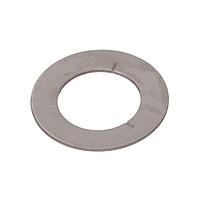
In many assemblies, the switch is only one part of a larger interface system. If the mounting nut, bracket, retaining clip, washer, or related hardware is not matched correctly, the result can be loose installation, uneven actuation feel, vibration-related issues, or longer service times during replacement.
For OEM production, the right mounting hardware also improves repeatability on the line. For maintenance teams, using suitable replacement hardware helps restore original fit and function without unnecessary modification to the panel or enclosure. This is particularly important in applications where operator controls are used frequently or exposed to mechanical stress.
Common selection factors before purchasing
Choosing switch hardware is usually less about broad performance claims and more about compatibility. Buyers should first confirm the switch series or form factor the hardware is intended to support. Even when parts appear similar, differences in thread type, cutout dimensions, shaft size, mounting style, or retention design can affect whether the accessory will fit correctly.
It is also useful to review the installation environment. In industrial settings, hardware may need to withstand vibration, repeated operation, cleaning routines, or compact panel spacing. Material choice, mechanical strength, and the ability to maintain secure positioning over time all contribute to a better overall assembly outcome.
How switch hardware fits into the wider accessory system
Switch hardware is often specified together with other accessories rather than in isolation. A complete switch interface may involve hardware for fastening, front-facing pieces for operator contact, and additional components that affect protection or finishing around the panel opening.
For example, some projects also require bezels or switch caps for identification, ergonomics, or appearance. In harsher environments, buyers may also review switch cases and covers when additional protection against dust, accidental contact, or general wear is needed. Looking at the accessory set as a whole can reduce sourcing errors and improve consistency across the final build.
Manufacturer considerations for compatibility and continuity
When sourcing hardware for switch assemblies, manufacturer continuity is often an important consideration. Many buyers prefer to stay within the same brand ecosystem when replacing or extending existing equipment, especially when dimensional compatibility and visual consistency are critical.
This category may be relevant for switch solutions associated with brands such as C&K, Honeywell, Eaton, CHERRY, and Alcoswitch - TE Connectivity. In practice, the most suitable option depends on the switch family already installed, the required mounting arrangement, and whether the priority is new design integration or direct replacement in the field.
Typical buying scenarios for B2B customers
Engineering, procurement, and maintenance teams usually shop for switch hardware in a few common situations. One is a new panel build, where the goal is to ensure every operator switch is mounted consistently and securely. Another is retrofit work, where original hardware may be missing, damaged, or no longer appropriate after a panel redesign.
A third scenario is spare parts planning. Keeping critical mechanical accessories available can help reduce downtime during service, particularly when a failed or damaged mounting component prevents an otherwise functional switch from being used safely. For distributors and OEM buyers, standardizing on compatible hardware can also simplify inventory management across multiple machine or enclosure variants.
How to evaluate the right option for your application
A practical selection process starts with the installed switch or the switch family specified in the design. From there, confirm the relevant mounting details, panel interface requirements, and any constraints related to space, access, or serviceability. If the switch is part of a pushbutton assembly or modular operator station, associated accessories such as contact block kits may also need to be considered during procurement.
It is equally important to think beyond initial installation. Hardware that is easy to assemble, remove, and replace can reduce labor during maintenance and lower the risk of damage to surrounding components. For industrial users, that often makes fit, retention, and serviceability more important than simply choosing the lowest-cost part.
Supporting reliable switch installation
Small parts can have a disproportionate effect on long-term switch performance. Well-matched switch hardware helps maintain secure mounting, preserves operator feel, and supports cleaner integration into control panels and equipment interfaces.
For buyers comparing options in this category, the most effective approach is to focus on compatibility, mounting requirements, and the broader accessory setup around the switch. That makes it easier to source parts that fit the application properly and support dependable operation throughout the product lifecycle.
Get exclusive volume discounts, bulk pricing updates, and new product alerts delivered directly to your inbox.
By subscribing, you agree to our Terms of Service and Privacy Policy.
Direct access to our certified experts