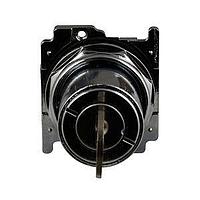
Switch Actuators
Reliable machine interfaces often depend on small mechanical parts that are easy to overlook until replacement or panel customization becomes necessary. In many control systems, the actuator is the part users actually touch, turn, press, or key to operate a switch, so selecting the right style matters for both operator experience and equipment function.
Switch actuators in this category support a wide range of panel-mount and industrial switching applications, from selector switch handles and key-operated mechanisms to mushroom heads, roller levers, and joystick-style operators. They are commonly used when building, repairing, or adapting switch assemblies in control panels, industrial equipment, safety circuits, and machine interfaces.
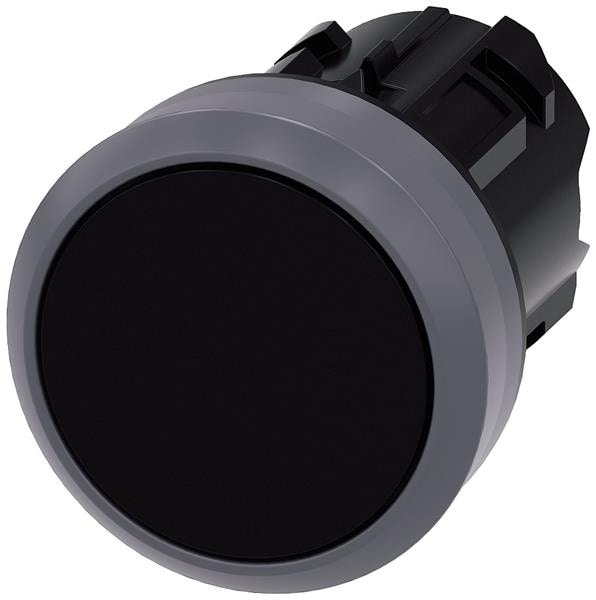
What switch actuators do in a control system
An actuator is the mechanical interface that transfers operator input or machine motion to the switching mechanism. Depending on the design, it may be turned, pressed, keyed, or moved by a cam, lever, or roller. This makes the actuator a critical link between the electrical function of the switch and the practical way the device is used in the field.
In industrial environments, actuator choice affects accessibility, safety, durability, and ease of operation. A key-operated actuator can help restrict access to authorized personnel, while a mushroom-style operator improves visibility and manual engagement. For machine sensing or position detection, lever and roller styles are often used with limit switches to respond to motion or contact.
Common actuator types found in this category
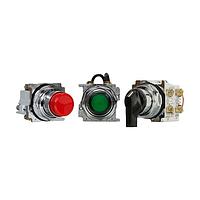
This selection includes several actuator formats used across industrial switching platforms. Selector switch operators are widely used on panels for mode selection, start/stop logic, direction control, and function changes. Key-operated versions are typically chosen where the switch position should not be changed casually or without permission.
Other actuator styles support more specialized roles. Mushroom heads are often associated with high-visibility manual control points, while roller lever assemblies are used with limit switches to detect movement or travel. Joystick-type operators are useful where multi-directional manual input is required, and compact actuators can also serve miniature or subminiature switch assemblies in tighter spaces.
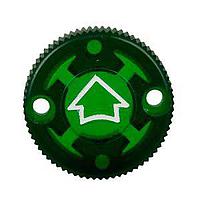
Related components such as switch caps and bezels may also be relevant when updating the appearance, color coding, or usability of an existing operator assembly.
Examples of actuator solutions in the range
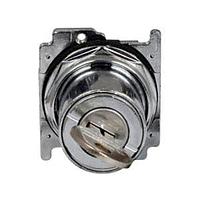
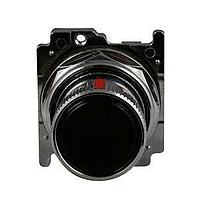
Several representative products help illustrate how broad this category can be. The Eaton 10250T4053 Operator SEL SW 3P SPR-R C3 W/O CAP is an example of a panel-mount selector switch operator intended for 3-position switching arrangements. For applications requiring controlled access, products such as the Eaton 10250T433 Key Operated KEY LOCK PB REM L-C R BLOCKED and Eaton 10250T15112MD15 Key Operated SEL SW 2P KEY MA KY/MD15 show how keylock actuation can be integrated into a switch interface.
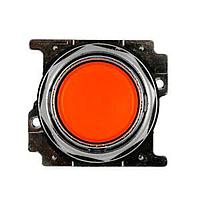
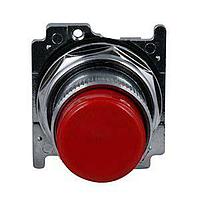
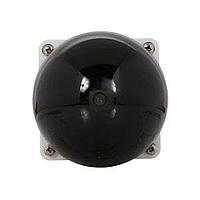
Where visible manual engagement is important, the Eaton 10250ED1271-6 Mushroom actuator offers a distinct operator format for selector-switch-related assemblies. For motion-based actuation, the Eaton LS-XRLA30 Roller Lever IEC LIMIT SWITCH and Eaton 10316H148 Top Left Roller Lever illustrate lever-style components designed for use with limit switches. In more compact switch environments, the Honeywell JS-618 Switch Actuators SUBMINIATURE BASICS represents a smaller-format actuator approach.
Many of these products are associated with Eaton, which is well represented in industrial control hardware, while compact and miniature switching solutions are also seen from manufacturers such as Honeywell. Depending on the application, users may also compare options across brands such as C&K, Banner Engineering, Omron, and Littelfuse when matching form factor and operating style.
How to choose the right switch actuator
The first step is to match the actuator to the switch family or series it is designed for. Many actuator components are not universal, so compatibility with the base switch, operator unit, or enclosure cutout is essential. Details such as intended series, number of switch positions, mounting style, and whether the actuator is for a selector switch, keylock switch, pushbutton, or limit switch should be checked before ordering.
It is also important to consider the operating environment. In industrial panels, factors such as glove use, visibility, operator access, and risk of accidental actuation can influence the preferred handle or head style. For machine-mounted devices, mechanical contact method, travel path, and repeatability matter more, especially for lever or roller-based limit switch actuation.
If the switch assembly also needs electrical rebuilding, it can be helpful to review compatible contact block kits alongside the actuator to ensure the full operator stack is correctly configured.
Typical industrial applications
Switch actuators appear across a wide range of B2B applications, including control cabinets, operator stations, packaging equipment, process skids, OEM machinery, conveyors, and utility systems. On a panel, they support manual commands such as on/off selection, forward/reverse switching, mode changes, and restricted-access functions. On machinery, actuator mechanisms may interact with moving parts to confirm position, travel limits, or door status.
Because they sit at the point of interaction, actuator design often has a direct effect on usability and maintenance. A clearly shaped selector lever can improve operator confidence, while a correctly chosen roller lever can reduce mechanical stress and improve repeatable switch engagement. In retrofit work, replacing only the actuator rather than the entire switch assembly can also help maintain compatibility with existing panels and wiring layouts.
Why actuator details matter in maintenance and retrofit work
In MRO and panel upgrade projects, small mismatches can create avoidable downtime. A similar-looking operator may still differ in position count, keying arrangement, mounting style, or the switch series it supports. That is why actuator selection should be treated as a functional replacement decision, not just a cosmetic one.
For established industrial platforms, actuator parts are often used to restore worn interfaces, convert operating style, or adapt the switch to a new process requirement. This may involve changing from a standard selector to a key-operated version, replacing a damaged lever, or updating a visible operator head without redesigning the whole control station. Where additional mechanical parts are needed, related switch hardware can support assembly and installation.
Finding the right fit for your application
This category is best approached by starting with the function the operator needs to perform: manual selection, restricted access, visible push operation, or motion-driven actuation. From there, it becomes easier to narrow the options by compatible switch family, mechanical form, mounting method, and intended industrial environment.
Whether you are maintaining a legacy panel, building a new operator station, or sourcing replacement parts for machine switches, a well-matched actuator helps preserve both reliability and usability. Reviewing actuator type, switch compatibility, and the broader accessory ecosystem will make it easier to select components that fit the application without unnecessary rework.
Get exclusive volume discounts, bulk pricing updates, and new product alerts delivered directly to your inbox.
By subscribing, you agree to our Terms of Service and Privacy Policy.
Direct access to our certified experts