Temperature chart recorder
For facilities that need a continuous visual record of ambient conditions, a paper-based recorder still offers a practical and easy-to-review solution. In laboratories, warehouses, cleanrooms, calibration areas, and storage environments, teams often need a simple way to confirm how temperature changes over time without relying entirely on software or network infrastructure.
Temperature chart recorder products are widely used when operators want a clear historical trace, fast manual verification, and dependable local recording. This category is especially relevant for routine environmental monitoring, quality control workflows, and applications where archived paper charts remain part of standard operating procedures.
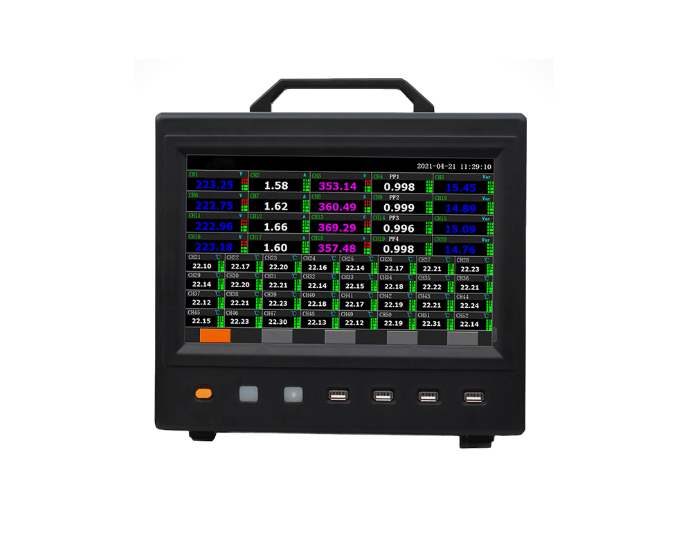
Where temperature chart recorders are commonly used
A temperature chart recorder is designed to track temperature variation over a defined period and plot that data on a circular or strip chart. This makes it useful in locations where staff need to inspect trends at a glance, identify excursions, or maintain physical records for audits and routine documentation.
Typical use cases include storage rooms, production areas, pharmaceutical environments, museums, food handling zones, and general industrial spaces where thermal stability matters. In many of these settings, chart recorders are chosen not because they replace digital systems entirely, but because they provide a straightforward and visible monitoring method that is easy to interpret on site.
Why paper chart recording still matters in some workflows
Although many facilities now use data loggers for electronic recording and export, paper chart systems continue to serve an important role. They can simplify daily checks, support manual recordkeeping procedures, and provide an immediate visual timeline without requiring a PC, app, or cloud connection.
This can be especially useful in environments where operators need a local reference near the monitored point. A chart also makes it easy to compare conditions across a shift, day, or week and spot gradual drift that may be missed during occasional spot measurements.
Key points to consider when selecting a temperature chart recorder
The right unit depends on how the recorder will be used in practice. The first step is to check the measurement range required for the environment, along with the recording duration, chart format, and whether temperature-only monitoring is sufficient for the task.
Users should also consider the installation location, readability of the chart, replacement consumables, and how often records must be archived. If your process needs more than local charting, it may be worth comparing these products with IIoT and wireless monitoring systems that support remote visibility and broader integration.
Chart paper and consumables are part of the system
In this category, consumables are not just accessories; they are essential to maintaining reliable recording. A good example is the SATO 7210-82 7-Day Temperature Recording Chart, which is intended for compatible thermohygrograph devices and supports ongoing weekly temperature recordkeeping.
Choosing the correct chart paper matters because the recording period, scale, and device compatibility affect whether the final trace is usable and accurate for review. For users working with SATO instruments, matching the recorder with the proper chart ensures smoother operation and more consistent documentation.
How these recorders fit into a wider monitoring strategy
Temperature chart recorders often sit alongside other measurement and monitoring tools rather than operating alone. In some facilities, they are used as a visible front-line indicator, while digital platforms handle longer-term storage, alarms, or centralized analysis. This layered approach can help teams balance simplicity, traceability, and operational oversight.
When sensor outputs need adaptation before being recorded or transmitted, related devices such as signal conditioners may also become relevant. This is particularly true in broader industrial monitoring systems where multiple instruments need to work together reliably.
Common manufacturer ecosystems in this category
This category may be relevant to buyers familiar with established instrumentation brands such as FLUKE, OMEGA, PICO, SATO, TESTO, and CHINO. Each brand may support different monitoring approaches across handheld instruments, logging devices, and environmental measurement solutions, so selection often depends on workflow, service preference, and compatibility requirements rather than brand name alone.
For buyers specifically looking at chart-based environmental recording, SATO is a notable reference in this category because compatible chart paper and recorder accessories play a direct role in day-to-day use. The main priority should remain a proper match between recorder type, recording interval, and the way records are reviewed or stored internally.
Choosing the right solution for your process
If your team needs an easy-to-read local record with minimal setup, a temperature chart recorder can be a practical option. It is especially suitable where staff perform regular visual inspections, maintain physical archives, or require a simple monitoring method that remains available at the point of use.
For applications that demand remote access, automated reporting, or multi-point connectivity, it may be helpful to compare this category with digital alternatives. In many cases, the best choice comes down to how your site manages compliance, maintenance, review frequency, and the balance between manual and electronic records.
By focusing on the actual monitoring workflow, not just the device itself, buyers can select a recorder and chart format that fit daily operations more naturally. That usually leads to more consistent records, easier review, and a monitoring setup that supports real-world industrial and laboratory requirements.
Get exclusive volume discounts, bulk pricing updates, and new product alerts delivered directly to your inbox.
By subscribing, you agree to our Terms of Service and Privacy Policy.
Direct access to our certified experts