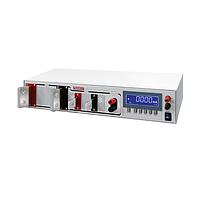
Precision Current meter
Accurate current measurement becomes critical when validating power electronics, calibrating instruments, checking production consistency, or verifying low-level and high-current loads. In these situations, a Precision Current meter category is less about basic indication and more about traceable, repeatable measurement across defined current ranges, frequencies, and test conditions.
This product group is relevant for calibration labs, R&D teams, electronics manufacturers, and maintenance engineers who need more confidence than a standard handheld meter can usually provide. Depending on the application, the solution may involve a dedicated precision shunt, an integrated current measurement system, or accessories that help install the instrument into a bench or rack environment.
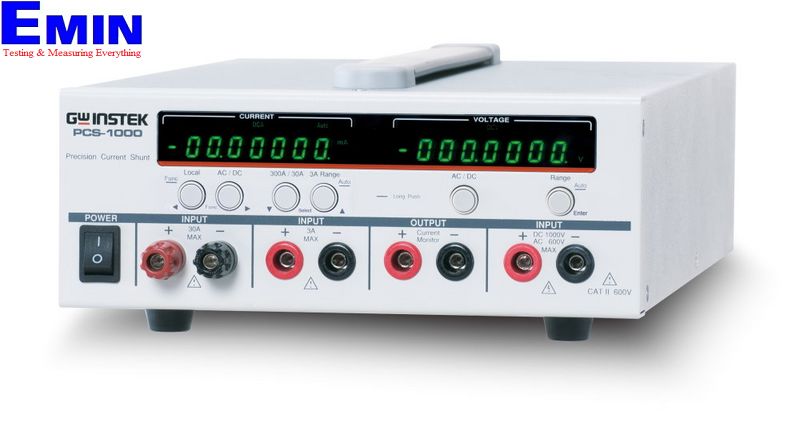
Where precision current measurement is typically used
In technical environments, current is often one of the key parameters used to confirm device behavior, energy consumption, thermal loading, and protection response. Precision instruments are especially valuable when the measurement result must support calibration work, design validation, or pass/fail decisions on the production floor.
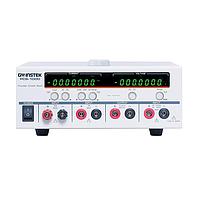
Typical use cases include power supply testing, converter and inverter verification, component characterization, battery-related measurements, and current calibration tasks. In many of these workflows, users also work alongside instruments from adjacent categories such as a digital multimeter or more specialized source-and-measure equipment used in semiconductor and low-level electrical testing.
Understanding the role of precision shunts and current meters
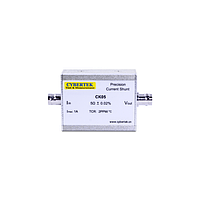
A common approach to high-accuracy current measurement is the use of a precision current shunt. The principle is straightforward: current passing through a known low-resistance element creates a proportional voltage drop, and that voltage is then measured with suitable accuracy. This method is widely used because it supports stable, predictable conversion from current to voltage over a specified range.
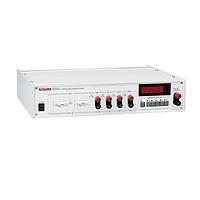
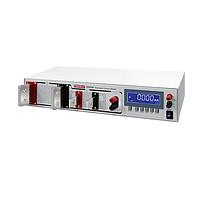
Within this category, some products are dedicated shunts intended to be used with external instruments, while others combine shunt-based measurement with built-in display or broader current measurement capability. The right choice depends on whether the user needs a compact bench accessory, a calibration-oriented solution, or a higher-current system designed for broader lab and industrial use.
Examples available in this category
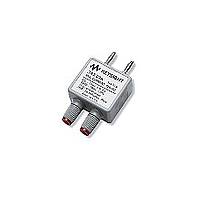
For moderate current applications, the KEYSIGHT 34330A Current Shunt (15A) is a practical example of a compact shunt-based solution for converting current into a measurable signal within defined voltage and current limits. It suits benches where users already have capable voltage-measurement instruments and want a straightforward way to extend current measurement capability using KEYSIGHT test equipment.
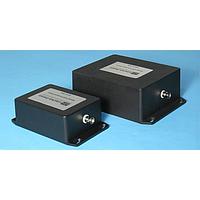
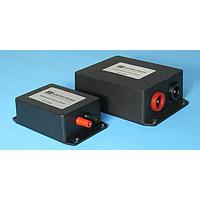
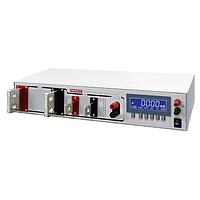
For wider current ranges, PRODIGIT offers several precision current shunt systems such as the Prodigit 1000A Precision Current Shunt, PRODIGIT 1000A-R Precision Current Shunt, and the higher-capacity 2000A / 2000A-R variants. These models illustrate how this category can scale from low-current resolution up to very high current measurement scenarios, making them relevant for both laboratory calibration work and heavier electrical test setups.
Another useful example is the PRODIGIT 7550A Precision Current Shunt, which addresses lower to mid-range current measurement with precision-oriented performance. For AC-focused applications, Clarke-hess models such as the Clarke-hess 610 Current Shunt and Clarke-hess 650 Current Shunt highlight the importance of frequency behavior and phase shift when current measurement must remain meaningful beyond simple DC conditions.
How to choose the right precision current meter
The first selection point is the current range. A system intended for milliamp-level work is not automatically suitable for hundreds or thousands of amps, and high-current capability often comes with different output scaling, thermal considerations, and installation requirements. It is important to match both the nominal operating range and any possible overload or short-duration peak current expected in the test setup.
The second factor is accuracy under real operating conditions. For some users, DC performance is the priority; for others, AC accuracy across a defined frequency band matters more. If the application includes waveform analysis, calibration, or comparison against reference instruments, users should pay attention not only to stated accuracy but also to frequency limits, output voltage behavior, and whether phase shift is relevant.
Connection style and integration also matter. Rear-input models may be preferred in racks or permanent test stations, while compact standalone shunts can be more convenient on an engineering bench. If the measurement chain is part of a broader automated setup, communication interfaces and system compatibility become part of the buying decision, particularly in more advanced test environments that may also involve SMU semiconductor test instruments.
Why frequency response and phase behavior matter
Not all current measurements are purely DC. In power electronics, transformer testing, AC source verification, and waveform-sensitive applications, the measurement device must maintain predictable performance across the frequency range of interest. This is one reason precision current shunts are often specified not only by current rating, but also by AC accuracy and frequency coverage.
For example, the Clarke-hess 610 and 650 models are useful illustrations of products where frequency range and phase shift are part of the practical evaluation. In these cases, engineers are not simply asking “How much current is flowing?” but also whether the current measurement remains trustworthy when frequency changes or when phase-sensitive analysis is part of the procedure.
Accessories and system integration considerations
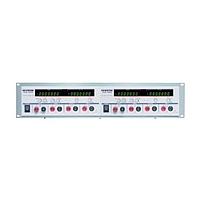
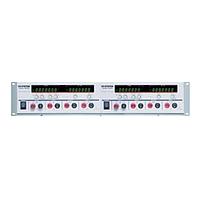
In real installations, measurement performance is only part of the picture. Rack mounting, communication, and connection accessories can improve repeatability and make equipment easier to deploy in test systems. That is why accessory items in this category also matter, especially for users building standardized benches or automated current measurement stations.
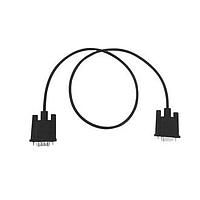
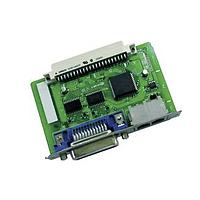
GW INSTEK accessories such as the GTL-235 Communication Cable, GRA-419-E Rack Adapter Panel, GRA-419-J Rack Adapter Panel, and PCS-001 Basic Accessories Kit show the supporting side of the ecosystem. These items are not the primary measuring element, but they can simplify integration, remote control, cable management, and installation when current measurement must fit cleanly into a larger lab or production setup with GW INSTEK equipment.
Who benefits most from this category
This category is especially relevant to calibration laboratories, power electronics developers, electronics manufacturers, test engineers, and maintenance teams working with controlled electrical loads. It is also useful where current values must be documented with higher confidence than general-purpose bench tools can typically provide.
Users comparing options should think in terms of the complete measurement task: expected current level, AC or DC operation, needed resolution, installation style, and whether the instrument must stand alone or integrate with a broader test system. In some cases, a precision current shunt paired with an external meter is the right approach; in others, a more integrated current measurement platform will make operation faster and more consistent.
Final considerations before selecting a model
A well-matched precision current measurement solution helps reduce uncertainty, improve repeatability, and support better technical decisions during design, calibration, and production. The products in this category cover a range of use cases, from compact shunts for moderate current work to higher-capacity systems intended for demanding laboratory or industrial environments.
When reviewing available models, focus on the measurement method, usable current range, required accuracy, frequency behavior, and system integration needs rather than choosing by current rating alone. That approach makes it easier to select a solution that fits the real test environment and delivers dependable results over time.
Get exclusive volume discounts, bulk pricing updates, and new product alerts delivered directly to your inbox.
By subscribing, you agree to our Terms of Service and Privacy Policy.
Direct access to our certified experts