Signal analyzer
In RF test, telecom maintenance, and electronics development, seeing the signal clearly is often the fastest way to understand what is happening inside a system. A signal analyzer helps engineers inspect frequency content, noise behavior, interference, modulation quality, and unexpected emissions so faults can be identified earlier and performance can be verified with more confidence.
This category brings together instruments used in laboratory work, field troubleshooting, and communications service applications. The range includes benchtop and handheld platforms from KEYSIGHT as well as communications-focused analyzers from Astronics, covering needs from general RF analysis to portable microwave measurement.
Where signal analyzers are used
Signal analyzers are common wherever RF and high-frequency signals must be measured, compared, or verified. In telecom and wireless environments, they are used to examine occupied bandwidth, spurious signals, harmonics, channel behavior, and signal stability during installation, maintenance, and performance checks.
They are also important in R&D and production support. Engineers use them to investigate weak signals, confirm frequency plans, assess interference, and observe how a design behaves under real operating conditions. In field work, portable platforms are especially useful when measurements have to be taken at towers, remote sites, vehicles, or deployed communication systems.
What to look at when comparing analyzers
The first selection point is usually frequency range. The analyzer must comfortably cover the highest frequency of interest, with enough margin for harmonics, sidebands, or out-of-band emissions. For microwave and millimeter-adjacent field tasks, handheld models such as the KEYSIGHT N9918A, N9950A, and N9952A extend measurement capability from lower RF bands into 26.5 GHz, 32 GHz, and 50 GHz classes.
After range, practical performance matters just as much. Important considerations include resolution bandwidth for separating nearby signals, dynamic range for seeing weak signals beside strong ones, phase noise behavior, and analysis bandwidth for modern signal environments. If the application involves changing field requirements, upgradeable or multi-function platforms may offer better long-term value than a single-purpose instrument.
Handheld versus benchtop platforms
Choosing between handheld and bench instruments depends on where the work happens. Handheld analyzers are built for portability and on-site troubleshooting, making them suitable for cable, antenna, microwave link, and general RF verification tasks. Several FieldFox models in this category combine cable and antenna analysis, vector network analysis, and spectrum analysis in one compact unit, which can reduce the need to carry multiple instruments into the field.
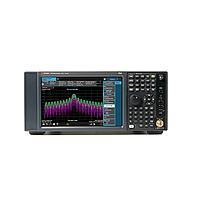
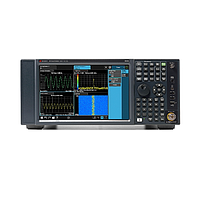
Benchtop analyzers are often selected when users need a stable station for repeated testing, development workflows, or broader lab integration. The KEYSIGHT N9000B Signal Analyzer is an example of a lab-oriented platform used for general RF signal analysis across multiple frequency options. In many workflows, teams pair a signal analyzer with a signal generator to stimulate the DUT and verify receiver or system response under controlled conditions.
Examples from this category
For field microwave applications, the KEYSIGHT N9952A Handheld FieldFox Microwave Analyzer supports very high-frequency work while maintaining portable operation. The N9950A and N9918A address similar use cases at lower frequency ceilings, and the N9917A or N9916A can be suitable when the required coverage is focused below 18 GHz or 14 GHz. These models are relevant when cable and antenna checks, VNA functions, and spectrum analysis need to coexist in one platform.
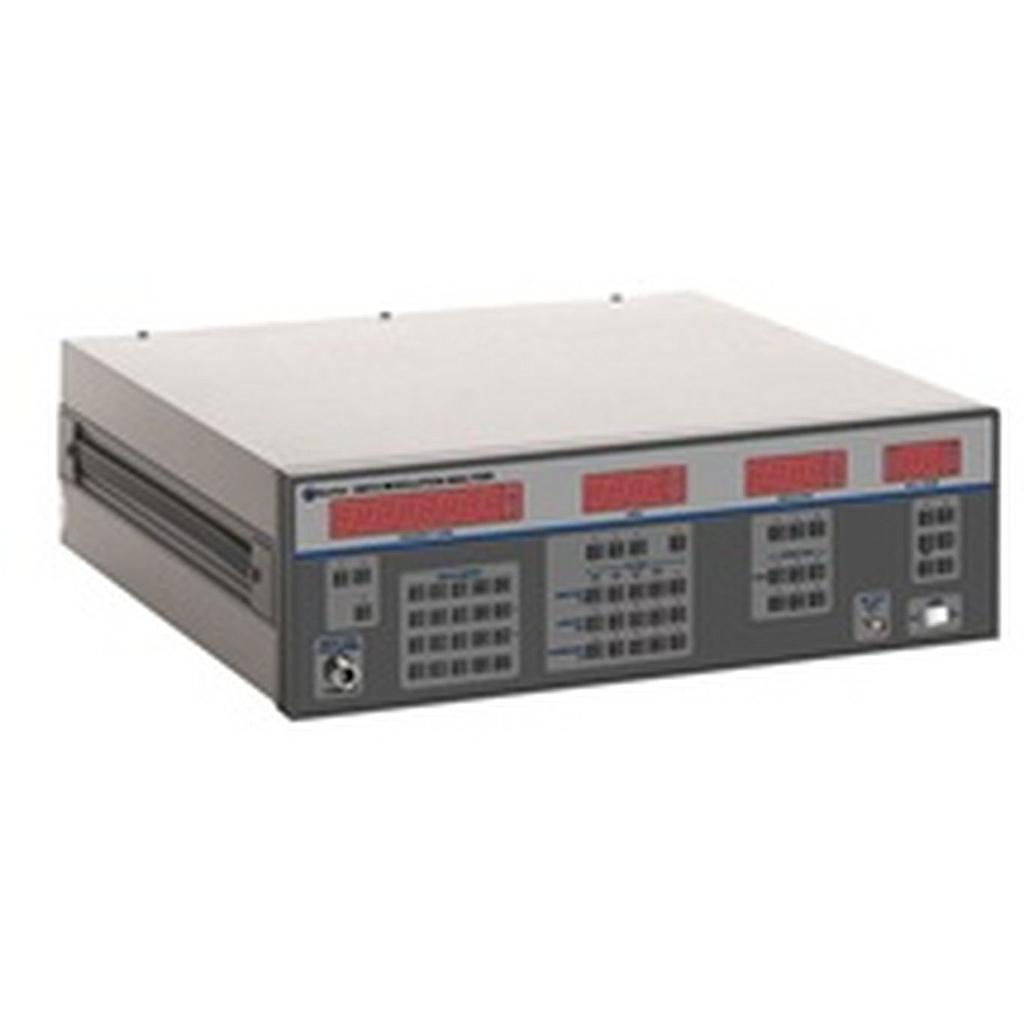
For communications service environments, Astronics instruments such as the R8000C, R8100, R8200, R8600, and ATS-9000M are notable in workflows that combine signal analysis with broader radio system testing. Their role is different from a general-purpose RF lab analyzer: they fit maintenance, communications troubleshooting, and operational radio verification where portability, ruggedness, and integrated test capability are important.
Accessories also matter in high-frequency measurement. The KEYSIGHT N9910X-801 T-Calibration Kit is not an analyzer by itself, but it is a useful supporting item in the measurement chain when calibration quality directly affects the reliability of results at RF and microwave frequencies.
Common selection criteria for RF and telecom teams
Many purchase decisions are driven by the actual test scenario rather than by one headline specification. If the main task is site maintenance, a lighter instrument with battery operation and multi-function support can be more useful than a larger lab unit. If the work centers on repeatable development measurement, users may prioritize analyzer noise performance, measurement accuracy, software options, and integration into a fixed test bench.
A simple shortlist often includes:
- Required frequency coverage today and expected expansion later
- Need for portable field use or stationary bench use
- Importance of dynamic range when weak and strong signals coexist
- Whether cable, antenna, or vector network functions are also needed
- Battery operation, size, and ruggedness for outdoor or service work
- Calibration and accessory support for maintaining measurement confidence
Related instruments in the measurement workflow
In practice, signal analysis is rarely isolated from the rest of the RF test chain. Users working on feed lines or site infrastructure may also need a cable and antenna analyzer to check return loss, distance-to-fault, or feeder condition before investigating spectrum behavior. This is especially relevant in wireless networks where mechanical and RF issues can appear together.
For matching and reflected power checks, some applications also benefit from a VSWR analyzer. Looking at these tools as part of one ecosystem helps buyers choose equipment that fits the real diagnostic workflow instead of evaluating each instrument in isolation.
Mistakes that often lead to poor buying decisions
A common mistake is focusing only on maximum frequency while overlooking real measurement needs. An analyzer may reach the target band, but if its bandwidth, noise floor, or selectivity does not match the signals being tested, the result may still be incomplete or misleading. Another issue is choosing a platform with more complexity than the application actually requires, which can raise cost without improving day-to-day efficiency.
It is also easy to underestimate operating conditions. Field service teams may need battery-powered instruments, durable construction, and fast setup, while lab users may care more about repeatability and workflow integration. Matching the instrument to the environment is often just as important as matching it to the frequency plan.
Choosing the right model for your application
If your work is centered on microwave field measurement, a handheld KEYSIGHT FieldFox configuration may be a practical starting point. If your team maintains radio systems and needs a broader communications test platform, the Astronics range may be more aligned with service and operational requirements. For general RF analysis in development or verification, a benchtop platform such as the KEYSIGHT N9000B can be a logical choice depending on the required frequency option and measurement task.
Reviewing the expected signal type, test location, and measurement depth will usually narrow the options quickly. A well-chosen analyzer helps shorten troubleshooting time, improves confidence in RF decisions, and supports more consistent results across maintenance, validation, and development work.
Get exclusive volume discounts, bulk pricing updates, and new product alerts delivered directly to your inbox.
By subscribing, you agree to our Terms of Service and Privacy Policy.
Direct access to our certified experts